
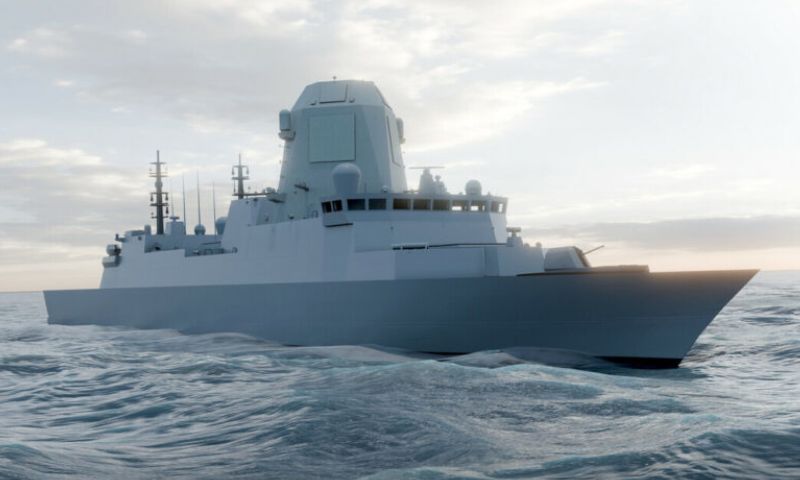
LONDON: Britain has abandoned plans to replace its ageing Type 45 destroyers with a new generation of conventional warships, opting instead to develop a fleet of hybrid vessels designed to operate alongside uncrewed systems as part of a major shift in its naval strategy.
Under the government’s long-awaited Defence Investment Plan, the Royal Navy will procure at least six Common Combat Vessels (CCVs), which will serve as command hubs for autonomous systems operating in the air, on the surface and beneath the sea. The move reflects the UK’s increasing focus on drone-enabled warfare and rapidly evolving battlefield technologies.
The Royal Navy’s existing fleet of six Type 45 destroyers is scheduled to be retired by the end of 2038. Earlier proposals envisaged replacing them with the next-generation Type 83 destroyers, but those plans have now been shelved in favour of the more flexible CCV concept.
Defence Secretary Dan Jarvis said the new vessels would equip the Royal Navy with capabilities better suited to emerging security challenges.
“These Common Combat Vessels will provide our dedicated sailors with hybrid ships designed to meet the increasing threats we face,” Jarvis said, adding that the vessels would be built in Britain, supporting domestic industry, safeguarding skilled jobs and strengthening the country’s defence manufacturing base.
According to the Ministry of Defence, the new ships will coordinate a wide range of autonomous platforms, enabling crewed warships to work seamlessly with drones and other uncrewed assets across multiple operational domains.
The first CCVs are expected to enter service in the early 2030s. Once operational, they will complement the Royal Navy’s frigates and other planned autonomous naval platforms, forming a more integrated and technologically advanced fleet.
The revised naval strategy follows political disagreements over defence spending. Earlier this month, former Defence Secretary John Healey resigned after expressing concern that the government’s investment plans failed to allocate sufficient funding to maintain Britain’s long-term security and military readiness.
Since taking office, Jarvis has prioritised capabilities that can be delivered more quickly, including advanced strike drones, high-speed boats for Royal Marine commandos and other systems aimed at addressing immediate operational requirements.
Housing Secretary Steve Reed confirmed that the government’s broader defence strategy would be unveiled within days, stressing that Britain’s armed forces must prepare for the character of future conflicts rather than relying on lessons from previous wars.
“We have to be ready for any future war and what that will be like, not whatever the last war was like,” Reed said in an interview with Sky News.