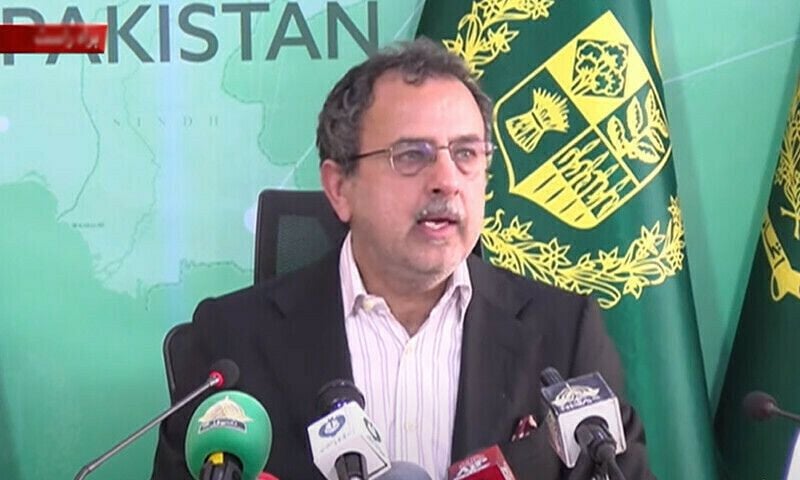
ISLAMABAD: Pakistan is facing electricity shortages due to disruptions in gas supplies linked to the Iran war, Power Minister Sardar Awais Laghari said on Thursday, apologising to the public for increased load shedding during peak hours.
Speaking at a news conference in Islamabad, Minister Laghari said the country’s power system was under strain due to external constraints, particularly the suspension of imported liquefied natural gas (LNG) following the closure of the Strait of Hormuz.
“We cannot generate electricity from gas during peak hours due to shortages,” he said, adding that LNG imports had halted since April 1, worsening the supply-demand gap.
Laghari said electricity generation from LNG-based plants had dropped to around 1,671 megawatts (MW) this April, compared with nearly 3,000MW in the same period last year.
He attributed the decline to a decline in fuel imports, noting that Qatar’s state-run energy firm had declared force majeure, creating a “huge gap” in power generation capacity dependent on gas.
The minister said the overall electricity shortfall ranged between 2,500MW and 4,000MW, depending on demand and generation fluctuations.
Daily electricity demand during the first half of April ranged between 15,000MW and 20,000MW, he added.
Hydropower output
Alongside gas shortages, hydropower generation has also declined due to reduced water releases from key reservoirs, including Mangla and Tarbela dams.
Laghari said hydropower output had fallen to around 1,671MW, compared to approximately 3,200MW in April last year, creating an additional shortfall of about 1,530MW.
He explained that recent rains had reduced irrigation demand from farmers, leading to lower water releases and, consequently, reduced electricity generation.
The minister said no load shedding was being carried out during daytime hours, but outages were being increased during evening and peak periods as required.
“These outages are affecting both rural and urban areas, as well as the industrial sector,” he said.
He acknowledged public frustration and apologised for prolonged outages, saying he remained directly accountable for the situation.
“If the public is facing inconvenience due to electricity shortages at night and during peak hours, I am answerable,” he said.
External factors
Laghari described the current situation as largely beyond the government’s control, citing external factors such as the Iran conflict and fuel supply disruptions.
He expressed hope that the situation would improve once LNG imports resume, adding that some relief could be expected soon.
The minister also pushed back against misinformation circulating on social media regarding load shedding.
Laghari noted that electricity demand had risen in recent months, partly due to a decline in power tariffs over the past two years.
He reiterated that the government had reduced load shedding in previous years, claiming Pakistan had largely overcome widespread outages before the current crisis.
He also highlighted the country’s shift towards renewable energy, saying the transition had gained international recognition and was largely driven by private investment rather than reliance on independent power producers or expensive loans.