Key Points
- High-level visit aimed at de-escalating ongoing Middle East conflict.
- Pakistan emerges as key mediator between Iran and the United States.
- Ceasefire brokered by Islamabad set to expire April 22.
- Parallel diplomacy includes PM Shehbaz Sharif’s outreach to Saudi Arabia.
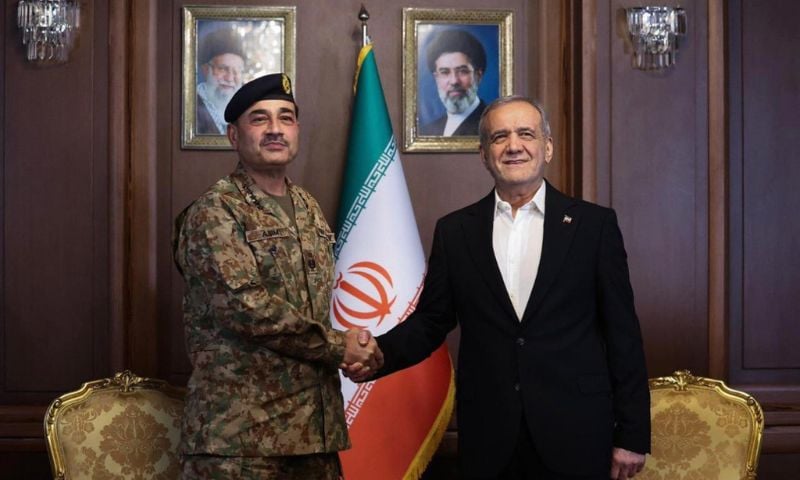
ISLAMABAD: A high-stakes diplomatic push unfolded in Tehran on Thursday as Pakistan’s Army Chief, Field Marshal Asim Munir, held crucial talks with Iranian President Masoud Pezeshkian, underscoring Islamabad’s efforts to prevent a wider Middle East conflict.
The meeting was highlighted by the Government of the Islamic Republic of Iran on its official X (formerly Twitter) account, signalling the importance Tehran attaches to the engagement amid ongoing regional tensions.
The visit, which included a senior military and diplomatic delegation, comes at a critical juncture, with a ceasefire between Iran and its adversaries set to expire on April 22. Pakistan, which helped broker the temporary truce on April 8, is now engaged in urgent backchannel diplomacy to sustain the pause and create space for broader negotiations.
The conflict — now stretching into its seventh week — has caused significant devastation. More than 3,300 deaths have been reported in Iran, alongside an estimated $270 billion in economic losses. The situation remains volatile, with retaliatory missile and drone strikes continuing across multiple fronts, while competing naval blockades in the Strait of Hormuz pose a serious threat to global energy supplies.
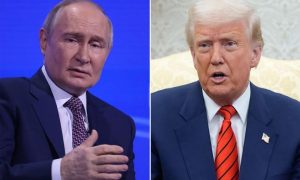
Against this backdrop, Field Marshal Munir’s visit to Tehran is being seen as part of a last-ditch effort to prevent a return to full-scale war. According to officials familiar with the developments, the Pakistani delegation is carrying key messages between Tehran and Washington, while also exploring the possibility of a second round of direct or indirect negotiations.
The diplomatic push follows earlier, inconclusive talks between US and Iranian officials hosted in Islamabad, highlighting Pakistan’s growing role as a mediator acceptable to both sides. Islamabad has also signalled its willingness to host further negotiations, positioning itself as a rare bridge in a deeply polarised conflict.
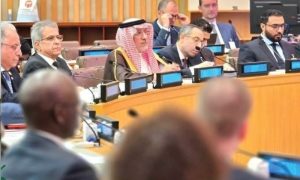
Pakistan’s mediation efforts have been reinforced by parallel diplomatic outreach at the highest level. Prime Minister Shehbaz Sharif is currently engaged with regional leadership, including a visit to Saudi Arabia, in what officials describe as a coordinated, two-pronged strategy aimed at rallying broader support for de-escalation.
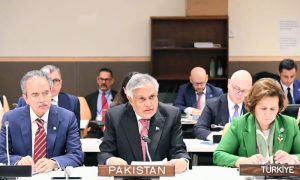
In recent days, Pakistan’s top leadership has maintained active contact with key stakeholders. Field Marshal Munir is reported to have engaged directly with US leadership, while Deputy Prime Minister and Foreign Minister Ishaq Dar has held separate conversations with his Iranian and Turkish counterparts to keep diplomatic channels open.
The conflict itself is rooted in escalating tensions over Iran’s nuclear programme and the intensification of US-Israeli pressure, which has pushed the region into uncharted territory.
As the deadline for the ceasefire approaches, diplomatic efforts are entering a decisive phase. Officials warn that failure to extend the truce could trigger a rapid escalation, with far-reaching consequences not only for the Middle East but also for global energy markets and international security.