TEHRAN: Iran on Tuesday unveiled details of an agreement to release $12 billion in frozen assets under a US-Iran diplomatic framework announced earlier this week, saying the funds would be unlocked in two tranches, though differences remain between the two sides over how the funds will be managed and spent.
Iran’s chief negotiator and Parliament Speaker Mohammad Bagher Ghalibaf said the agreement was reached during negotiations at the Burgenstock resort in Switzerland and would result in the release of two tranches of $6 billion each.
According to Ghalibaf, preliminary arrangements were made during discussions in Qatar, while the final agreement was concluded during the latest round of talks between Tehran and Washington.
The funds, largely consisting of Iranian oil revenues restricted under sanctions-related banking measures, are to be released pursuant to Article 11 of the Islamabad memorandum of understanding signed by the two parties.
The article states that the United States “undertakes to make fully available for use the frozen or restricted funds and assets” and that both countries will “mutually agree on the procedures related to the release of these funds during the negotiations.”
Pakistan Facilitates Talks
The asset-release agreement emerged from a broader diplomatic process launched after the United States and Israel carried out military strikes against Iran in late February.
Pakistan initiated the first round of indirect contacts between Washington and Tehran, helping secure a ceasefire that was later followed by formal negotiations under the jointly mediated Islamabad process.
Qatar subsequently joined Pakistan in facilitating talks, which culminated in the signing of a memorandum of understanding and the launch of a 60-day roadmap covering sanctions relief, regional security and nuclear-related issues.
Sanctions Relief Measures
Iranian officials say the asset release forms part of a wider confidence-building package agreed during a 60-day diplomatic roadmap.
Under the framework, Tehran states that it will be able to export crude oil, petrochemicals, and refined petroleum products with fewer sanctions-related restrictions during the negotiation period.
Iranian Central Bank Governor Abdolnaser Hemmati said the arrangement would allow the country to market and deliver petroleum products and receive payments with greater financial flexibility.
“We would be able to deliver these products through any port, using any vessel, and receive payment into whatever accounts we designate … so that we could freely use the proceeds,” Hemmati said.
Iranian media reports have suggested Tehran ultimately hopes to secure access to as much as $24 billion in frozen assets if negotiations continue to progress.
Washington’s Position
US officials have described the arrangement differently, stressing that the released funds would remain subject to oversight mechanisms.
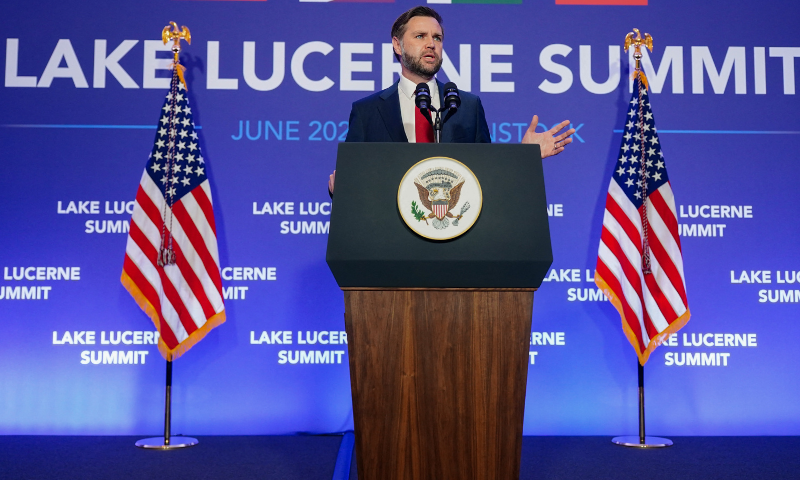
US Vice President JD Vance said a process developed by White House envoy Jared Kushner would ensure that the United States and Qatar maintain control over the funds after they are unfrozen.
President Donald Trump has said the money would be placed in a controlled escrow mechanism and used primarily for food and medical supplies, including agricultural products sourced from American farmers.
“The money that we lift is going to go to our farmers,” Trump said, referring to purchases of products such as corn, soybeans and wheat.
The Trump administration has faced criticism from some political opponents who argue that releasing frozen Iranian assets before a final agreement on Tehran’s nuclear programme could strengthen Iran economically and militarily.
US officials have sought to address those concerns by emphasising that the funds would remain subject to agreed spending restrictions and oversight.
Iran Rejects Claims of Spending Restrictions
Iranian officials have pushed back against suggestions that Washington will determine how the funds are spent.
Foreign Ministry spokesman Esmail Baghaei said Tehran would retain full authority over the use of its assets and dismissed claims that the funds would be limited to purchases from the United States.
“All in all, we are not faced with any restriction on how to channel these funds. Our assets will be employed with absolute liberty,” Baghaei told reporters.
Central bank governor Hemmati likewise rejected assertions that the agreement obliges Iran to buy American goods.
“That is not true. There is no such requirement in the memoranda that were signed during the negotiations. There is no obligation to buy from the United States,” Hemmati said.
However, he added that Iran would be willing to purchase American agricultural products if they were competitively priced and met the country’s needs.
“However, we also see no problem with purchasing from the United States if the price and quality of essential goods — whether corn, wheat, or any other products we need — are competitive,” he said.
Outstanding Questions
While both governments have presented the agreement as a step toward reducing tensions, key details remain unresolved, including the extent of oversight over the funds and the broader terms of future sanctions relief.
Pakistan and Qatar, which are facilitating the negotiations, are continuing to work with technical teams from both sides on outstanding issues, including arrangements for international nuclear inspections and the longer-term framework for Iran’s nuclear programme.
For now, both sides appear to agree that the release of frozen assets forms an important part of the diplomatic process, even as they continue to offer differing interpretations of how the mechanism will operate in practice.