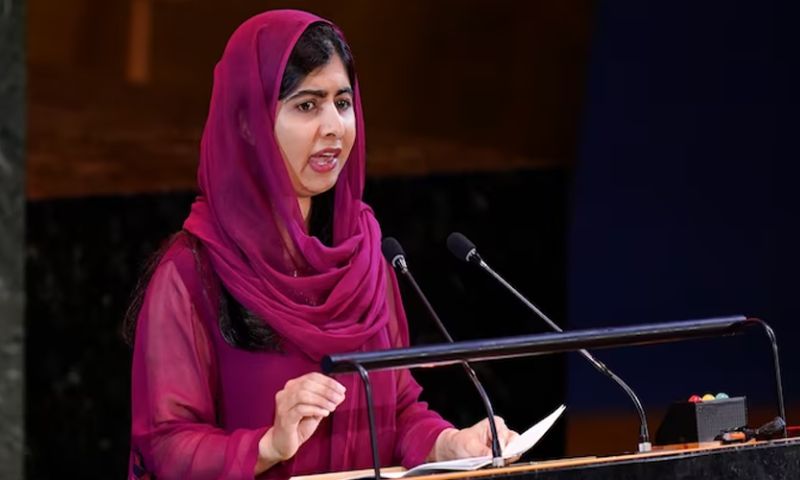
ISLAMABAD: Nobel Peace Prize laureate Malala Yousafzai has strongly criticised the European Union’s decision to invite Taliban representatives to Brussels for discussions on Afghan migration, warning that such engagement sends a dangerous message about the treatment of women and girls under the group’s rule.
In a post on X on Monday, Yousafzai said Europe should not pursue agreements with a regime she described as being responsible for one of the world’s most severe human rights crises.
“The EU has invited Taliban officials to Brussels to discuss a migration deal — and today I am shaken and deeply disturbed by this,” she said in a video message posted on X.
“Inviting the Taliban to Brussels for discussions on migration sends a dangerous message: that a regime can oppress women and girls while still being accepted as a diplomatic partner,” she said.
The EU has invited Taliban officials to Brussels to discuss a migration deal — and today I am shaken and deeply disturbed by this.
This is the same Taliban that banned girls from secondary schools and forced them into marriage. The same Taliban that, earlier this month,… pic.twitter.com/1X3tmlTxjh
— Malala Yousafzai (@Malala) June 22, 2026
Yousafzai said the Taliban had established a system of “gender apartheid” that has excluded women and girls from education, employment, public life and freedom of movement.
” Through its system of gender apartheid, the Taliban have erased women and girls from public life. Europe must not legitimise a regime responsible for one of the worst human rights crises in the world,” Yousafzai added.
She also accused the Taliban of creating conditions that force women and girls into child and forced marriages.
Concerns Over Women’s Rights
Highlighting recent events in Afghanistan, Yousafzai referred to reports of arrests in the western city of Herat.
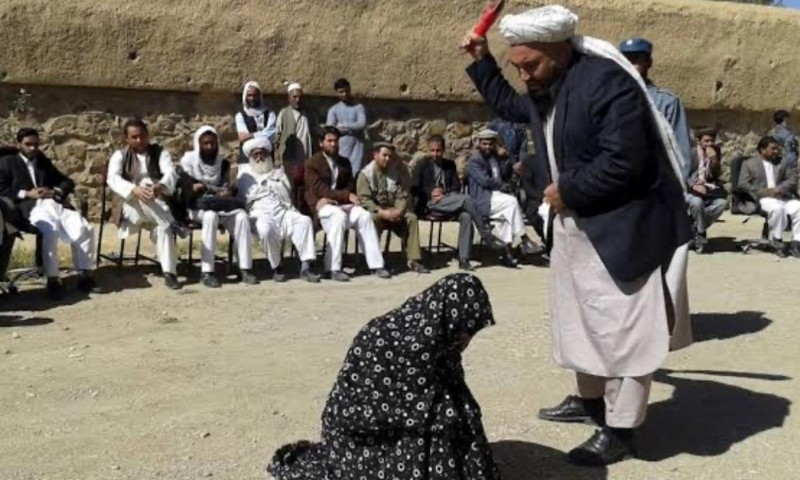
“This is the same regime that last week detained at least 30 women and girls in Herat over their clothing, opened fire on people protesting the arrests, killed a child, and injured others,” she wrote.
“Any engagement with the Taliban must begin and end with the rights of Afghan women and girls,” she said.
Since returning to power in August 2021, the Taliban have imposed sweeping restrictions on Afghan women and girls, barring them from secondary and higher education, limiting access to employment and imposing strict rules governing dress and public participation.
EU Confirms Taliban Invitation
Yousafzai’s remarks came after the European Union confirmed that a Taliban delegation had been invited to Brussels for discussions on migration and repatriation issues involving Afghan nationals living in Europe.
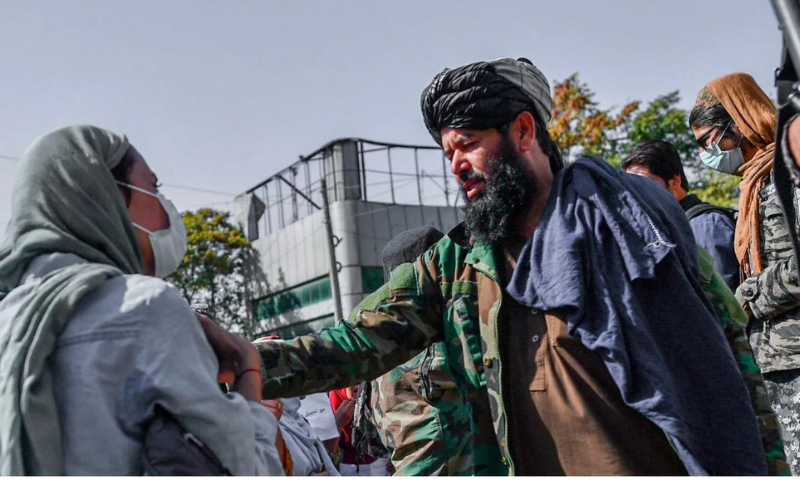
Belgian Foreign Minister Maxime Prevot said on Monday that Belgium had issued single-day visas to five Taliban representatives invited by the European Commission.
According to Belgian public broadcaster VRT, the delegation is expected to travel to Brussels for talks focused on the return of Afghan asylum seekers and broader migration-related matters.
The visit marks one of the rare instances in which Taliban officials have been invited to participate in discussions hosted by European institutions since the group returned to power nearly five years ago.
Belgium Distances Itself From Decision
Prevot said he personally opposed the European Commission’s decision to invite Taliban representatives but stressed that Belgium was obliged to facilitate the visit because it hosts key European Union institutions.
“As the host country of institutions such as the European Union, Belgium cannot refuse invitations from those institutions to representatives of regimes that it does not itself recognise,” he said.
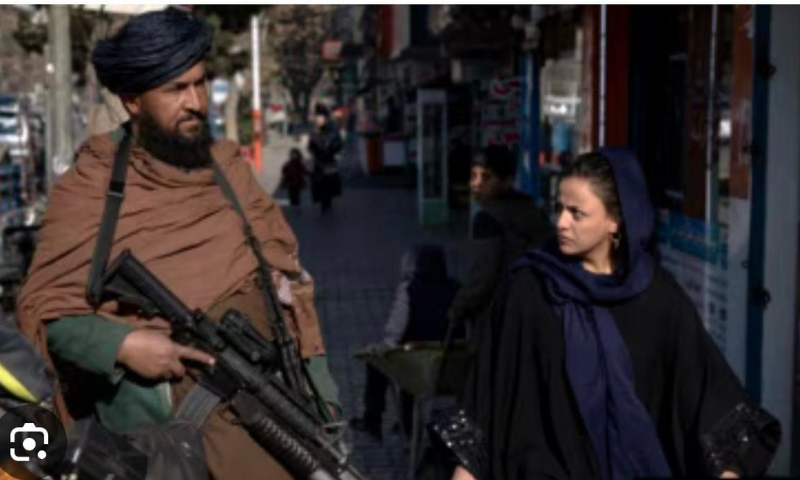
The foreign minister added that Belgian authorities had conducted security assessments before issuing the visas.
According to Prevot, Belgium’s State Security Service and military intelligence agency, ADIV, found no information indicating that the Taliban representatives posed a security threat during their stay.
Officials said the visas issued to the delegation are valid only within Belgium and do not permit travel across the wider Schengen area.
The visas have been granted for a single day, and Belgian authorities have not disclosed the date of the visit, citing security considerations.
Debate Over Engagement With Taliban
The invitation is likely to reignite debate within Europe and among international human rights organisations over how governments should engage with the Taliban while continuing to press for improvements in human rights, particularly women’s rights.
While several countries and international organisations maintain channels of communication with Taliban authorities on humanitarian, migration and security issues, no Western government has formally recognised the Taliban administration.
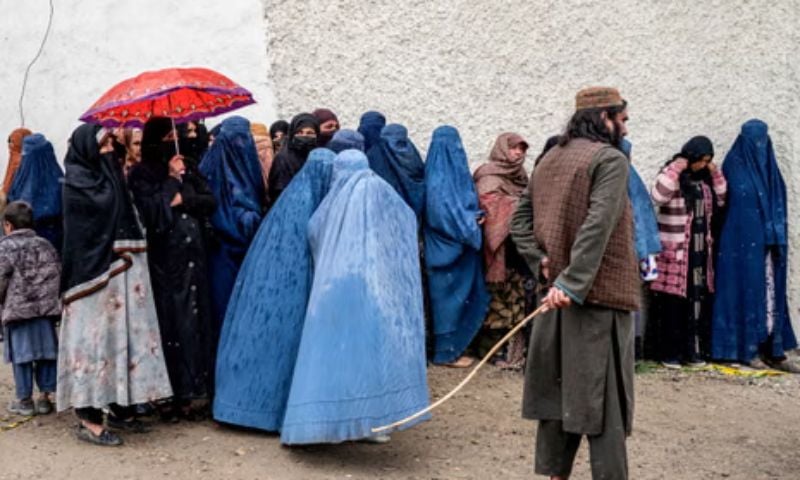
Human rights advocates argue that diplomatic engagement should not come at the expense of accountability for policies that have effectively excluded millions of Afghan women and girls from public life.
Yousafzai’s intervention adds to growing criticism from rights groups that any engagement with the Taliban must be accompanied by sustained pressure to reverse restrictions on women’s education, employment and civil liberties.
Rollback of women’s rights in the world
The Taliban’s restrictions on women and girls have been widely described by the United Nations and human rights organisations as the most severe rollback of women’s rights in the world.
Since returning to power in 2021, the group has barred girls from secondary and higher education, restricted women’s employment, limited their freedom of movement and excluded them from much of public life.
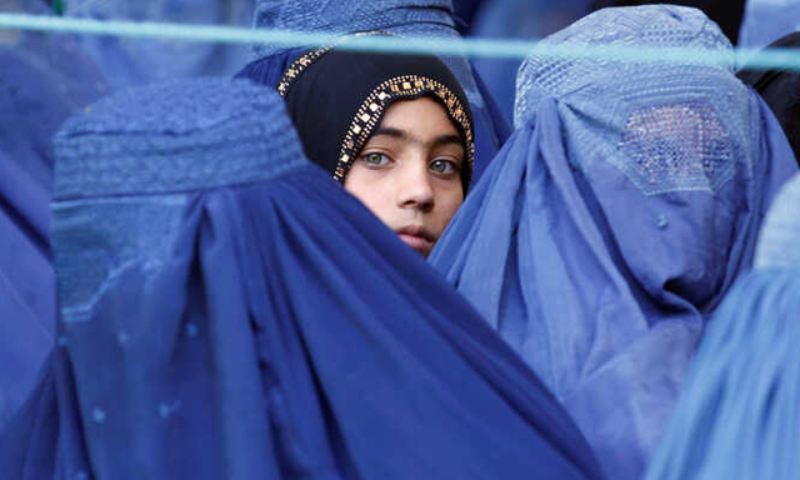
The United Nations has warned that the education ban is creating a “lost generation” of Afghan girls and could have devastating long-term consequences for the country’s economy, social development and human capital.
According to UN estimates, if the ban remains in place until 2030, more than four million girls could be deprived of secondary education, further entrenching poverty, inequality and isolation in Afghanistan.