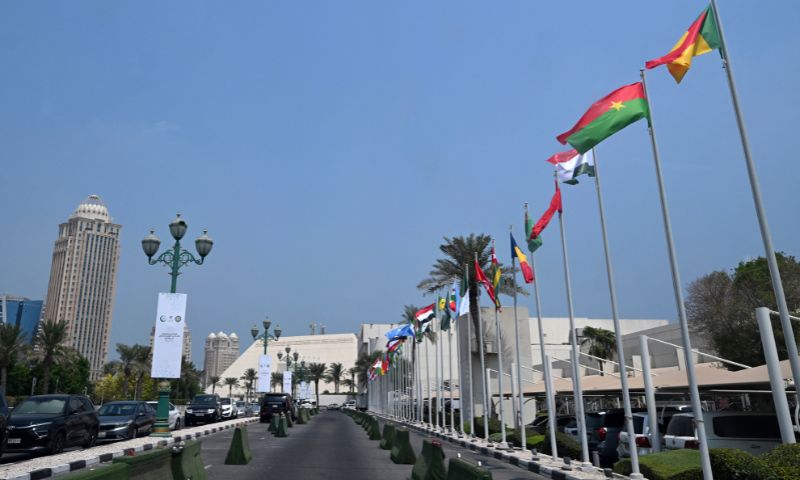



DOHA: US special envoy Steve Witkoff and President Donald Trump’s son-in-law Jared Kushner have arrived in Qatar for talks with mediators overseeing negotiations between Washington and Tehran, but Qatari officials say no direct meetings with Iranian representatives are scheduled.
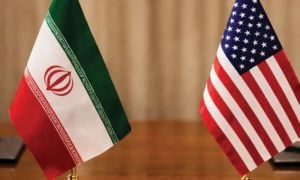
The visit comes as Iran hardened its position on the Pakistan- and Qatar-brokered memorandum of understanding (MoU), insisting that the United States must first implement its commitments before talks on a comprehensive agreement can proceed.
Iran’s Parliament Speaker Mohammad Bagher Ghalibaf said Tehran would not enter negotiations on a final settlement until Washington fulfilled provisions covering an end to hostilities in Lebanon, the reopening of the Strait of Hormuz, waivers allowing Iranian oil exports and the release of frozen Iranian assets.
No Direct US-Iran Meetings Planned
Qatar’s Foreign Ministry spokesman Majed Al-Ansari said Witkoff and Kushner were meeting Qatari mediators to discuss a range of regional issues, including the US-Iran negotiations, Lebanon and broader security concerns.
“They are not here for direct negotiations with the Iranians,” Al-Ansari told reporters, adding that no high-level or face-to-face meetings between US and Iranian officials were scheduled in the coming days.
Iranian negotiators are also in Doha, but officials from both sides say any discussions will continue through mediators rather than direct contact.
Technical Talks Continue
Al-Ansari said technical discussions between lower-level US and Iranian officials were continuing, either directly or indirectly, and could eventually pave the way for senior-level negotiations.
“We have a track on the nuclear side, a track on economic issues and another on regional security,” he said.
A senior Trump administration official described recent discussions between the US delegation and regional leaders as positive, saying technical negotiations were making steady progress.
Strait of Hormuz
The current diplomatic effort follows a four-day exchange of military strikes between the United States and Iran that threatened to derail the preliminary peace framework reached less than two weeks ago.
The escalation began after disputes over navigation through the Strait of Hormuz, one of the world’s most strategically important energy routes, triggered attacks on commercial shipping.
The MoU, brokered by Pakistan and Qatar, committed both countries to halt military operations across all fronts, including Lebanon, immediately reopen the Strait of Hormuz to international shipping and work towards a permanent settlement within 60 days.
The agreement also established a communication mechanism aimed at ensuring the safe passage of commercial vessels through the waterway.
Tehran Seeks Implementation Before Final Talks
Iranian Foreign Ministry spokesman Esmail Baqaei said Iranian officials were expected to meet mediators in Doha on Wednesday to discuss implementation of the agreement, including provisions concerning the release of Iranian assets frozen under US sanctions.
He stressed that no meetings with American officials had been planned.
Al-Ansari said the release of $6 billion from approximately $12 billion in Iranian funds frozen in Qatar remained dependent on further progress in negotiations between Washington and Tehran.
Baqaei also said Iran would continue to protect its interests in the Strait of Hormuz while implementing the provisions of the agreement.