



ISLAMABAD: The European Union and the United Kingdom have voiced support for Pakistan’s right to defend itself against cross-border terrorist threats, while expressing concern over the continued presence of terrorist groups operating from Afghan territory.
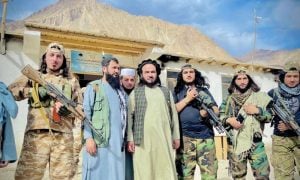
In separate interviews, European Union Special Envoy Gilles Bertrand and United Kingdom Special Envoy Richard Lindsay reaffirmed that the Tehreek-e-Taliban Pakistan (TTP) remains a serious security threat and continues to benefit from safe havens, logistical support and operational space inside Afghanistan.
The diplomats stressed that the authorities currently exercising control in Kabul bear responsibility for preventing Afghan soil from being used to launch attacks against neighbouring countries. They called for effective measures to dismantle terrorist infrastructure and address regional security concerns.
TTP remains major regional security threat
According to the envoys, the TTP continues to exploit cross-border networks, training facilities and sanctuary areas to evade Pakistani security operations, posing a persistent challenge to peace and stability in the region.
Addressing Pakistan’s response to these threats, both diplomats acknowledged that states have the right to self-defence when confronted with credible and imminent security dangers. They noted that any government facing active terrorist threats is entitled to take appropriate measures to protect its citizens and territorial integrity.
The remarks come amid growing international concern over the Taliban administration’s implementation of commitments made under the Doha Agreement, which included assurances that Afghan territory would not be used by terrorist groups to threaten other countries.
Recent assessments by the United Nations Security Council’s monitoring mechanisms have highlighted the continued presence of multiple terrorist organisations in Afghanistan. These groups include the TTP, Al-Qaeda, Daesh-Khorasan (ISKP), the East Turkestan Islamic Movement (ETIM), the Islamic Movement of Uzbekistan (IMU) and Jamaat Ansarullah.
International scrutiny of the Taliban’s counterterrorism commitments intensified following the killing of Al-Qaeda leader Ayman al-Zawahiri in Kabul in 2022, raising questions about the extent of terrorist activity within Afghanistan.
Beyond security concerns, the envoys also pointed to the worsening humanitarian and human rights situation in Afghanistan. International organisations have expressed alarm over restrictions imposed on women and girls, including limitations on education, employment and public participation.
Humanitarian agencies estimate that millions of Afghans require urgent assistance, while widespread poverty and economic hardship continue to affect large segments of the population.
The latest statements by the EU and UK envoys will strengthen Pakistan’s longstanding position that terrorist sanctuaries across the border remain a major obstacle to regional peace and security, while increasing international pressure on Afghan authorities to fulfil their counterterrorism obligations.