
Key Points
- Heavy rain and thunderstorms forecast
- Flash flood and urban flood risks rise
- Northern regions face glacier-related threats
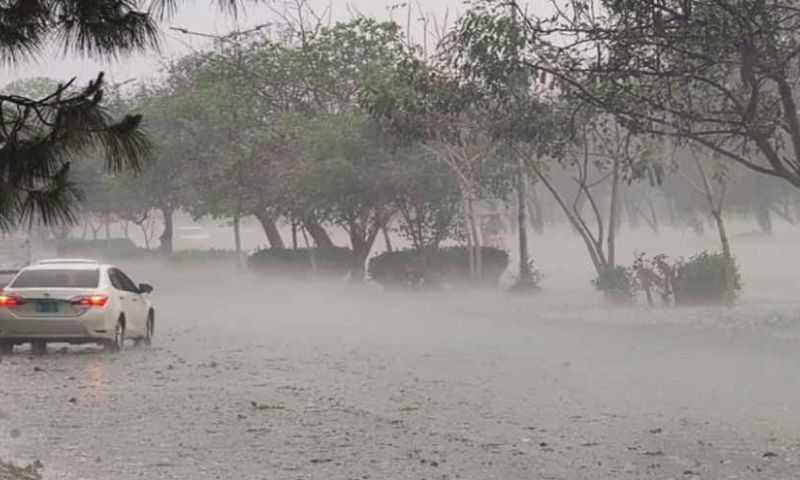
ISLAMABAD: Pakistan has entered a critical 24-hour weather period, with the National Disaster Management Authority (NDMA) warning of widespread thunderstorms, heavy rainfall and potential flooding across the country.
According to the NDMA, strong weather systems are expected to affect large areas of Punjab, Khyber Pakhtunkhwa, Gilgit-Baltistan, Azad Jammu and Kashmir, Sindh and parts of Balochistan.
The authority has cautioned that intense rainfall could trigger flash floods in vulnerable districts, urban flooding in major cities and landslides in mountainous terrain.
Islamabad, Rawalpindi and other parts of the Potohar region could face a heightened risk of urban flooding, particularly in low-lying localities and areas with inadequate drainage systems.
Pakistan emergency services on high alert
The NDMA warning has put the country’s emergency services and relevant authorities on a high alert. District administrations have been directed to ensure the clearance of drains, nullahs and sewerage networks to reduce potential damage.
In Khyber Pakhtunkhwa, rain and thunderstorms are forecast in Chitral, Dir, Swat, Battagram, Mansehra, Abbottabad, Haripur, Peshawar, Kohat and adjoining districts.
Similar conditions are expected in parts of Punjab, including Attock, Chakwal, Jhelum, Gujrat, Gujranwala, Sialkot and Lahore.
The NDMA has separately warned of an elevated risk of glacial lake outburst floods (GLOFs) and flash flooding in northern regions as above-normal temperatures accelerate glacier and snow-melt.
Areas considered particularly vulnerable include Hunza, Nagar, Ghizer, Skardu, Shigar, Ghanche, Astore and Diamer in Gilgit-Baltistan, along with Upper and Lower Chitral, Swat, Kalam and Kohistan in Khyber Pakhtunkhwa.
ALSO READ: Pakistan Braces for Heavy Rains and Glacial Floods
Officials warned that sudden flooding, debris flows and landslides could occur in mountainous areas. The critical weather conditions could potentially disrupt highways, link roads and critical infrastructure. Glacier-fed rivers and streams may also experience a sharp rise in water levels over the coming days.
The authority has advised residents living near rivers, streams and low-lying areas to remain vigilant and move valuables and livestock to safer locations.
Pakistan tourism advice
Tourists and travellers have also been urged to avoid unnecessary journeys to vulnerable mountainous regions during the forecast period.
Pakistan remains highly vulnerable to extreme weather events during the summer season.
In its Summer Hazards Contingency Plan 2026, the NDMA warned that climate change is increasing the frequency and intensity of heatwaves, flash floods, hailstorms, thunderstorms and other hydro-meteorological hazards across the country.
The authority requires greater preparedness and rapid response mechanisms at all levels of government.
The latest warning comes as Pakistan approaches the peak monsoon transition in three weeks. Pakistan has already faced heightened climate-related risks following a series of extreme weather events in recent years.
Authorities have been particularly vigilant since the catastrophic floods of 2022, which affected more than 33 million people and caused widespread damage to infrastructure, agriculture and livelihoods.
Since then, the NDMA and provincial disaster management agencies have strengthened early-warning systems and preparedness measures.
They have become more important, especially in flood-prone river basins, urban centres and glacier-fed northern regions where rising temperatures have increased the risk of flash floods, landslides and glacial lake outburst floods.
Pakistan among climate hotspot countries
Scientists rank Pakistan among the countries most vulnerable to climate change despite its relatively small contribution to global greenhouse gas emissions.
Rising temperatures have accelerated glacier melt in the Himalaya-Karakoram-Hindu Kush region. At the same time, the rising frequency of extreme rainfall events and prolonged heatwaves create a greater risk of flash floods, droughts and other weather-related disasters.
International climate assessments have repeatedly warned that South Asia is likely to experience more intense and unpredictable weather patterns in the coming decades, posing growing challenges for water security, agriculture, infrastructure and disaster management across Pakistan.