BOGOTA: Colombians headed to the polls on Sunday in a high-stakes presidential run-off between a hardline conservative backed by US President Donald Trump and a leftist senator, in a contest expected to shape the country’s security strategy, peace process and ties with Washington.
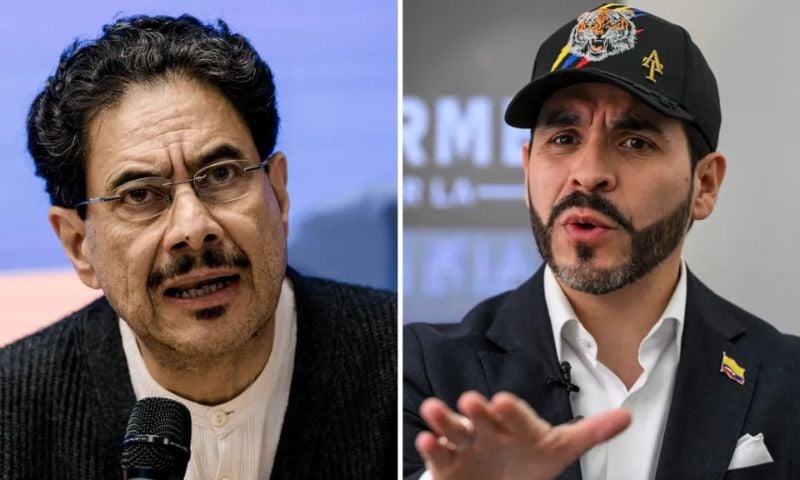
Around 41 million voters are eligible to cast their ballots in a contest between lawyer Abelardo de la Espriella and Senator Ivan Cepeda, with the outcome expected to influence the future of Colombia’s peace process and its relations with the United States.
The election has unfolded against a backdrop of heightened political polarisation and growing security concerns. Campaigning was overshadowed by bomb attacks and the killing of a prominent conservative presidential contender in broad daylight in Bogota, bringing security issues to the forefront of the race.
De la Espriella, who holds both Colombian and US citizenship and is known by supporters as “The Tiger”, emerged ahead in the first round held in May after campaigning on a promise to crack down on drug-trafficking armed groups that rejected the landmark 2016 peace agreement.
He has proposed seeking US support for a 90-day aerial offensive against criminal organisations involved in coca production, the key raw material used to manufacture cocaine.
Diverging visions on security
Cepeda, 63, is a senator and long-time human rights advocate who has played a central role in efforts to negotiate what the government describes as “total peace” with armed groups.
The son of a communist senator who was killed by right-wing paramilitaries, Cepeda is widely regarded as the political successor to outgoing President Gustavo Petro, who is barred by the constitution from seeking another term.
Opponents of Petro’s administration argue that the government’s conciliatory approach has enabled armed groups to expand their influence and strengthen their financial networks through drug trafficking.
Although Cepeda has recently indicated that peace negotiations would be reviewed and adjusted where necessary, he continues to favour dialogue over an aggressive military strategy.
By contrast, De la Espriella has advocated tougher security measures, including broader gun ownership rights and the construction of large prisons. He has also proposed reducing the size of the state, expanding fracking activities and has suggested that adopting the US dollar as Colombia’s currency would be desirable.
Political analyst Luisa Lozano of Universidad de La Sabana said De la Espriella’s message resonates with voters frustrated by rising insecurity and attracted by his image as a self-made businessman.
During the campaign, the conservative candidate frequently adopted patriotic themes and highlighted the affluent lifestyle he enjoyed in Italy before entering politics, while dismissing criticism over his past legal clients.
Election carries implications for US ties
Colombia has traditionally been Washington’s closest ally in South America, with the United States investing billions of dollars over the years in the country’s military and intelligence capabilities.
Relations, however, have become increasingly strained since Donald Trump’s return to the White House and his repeated clashes with President Petro.
Trump has openly endorsed De la Espriella and described Cepeda as a “radical left Marxist”, warning that the election would have significant consequences for future ties between the two countries.
Some military figures and diplomats in Bogota have voiced concerns that a return to hardline security policies could trigger retaliatory violence and undermine the country’s fragile stability.
The first round of voting highlighted the decline of Colombia’s traditional political centre and established right-wing parties. De la Espriella secured 44 per cent of the vote, narrowly ahead of Cepeda, who received 41 per cent.
Analyst Julian Lopez of Nalanda Analytica said many Colombians appeared to be voting not out of enthusiasm, but out of concern over what a victory for the opposing camp could mean for the country.
The result of Sunday’s run-off is expected to determine whether Colombia pursues a tougher security doctrine or continues efforts to seek negotiated settlements with armed groups.