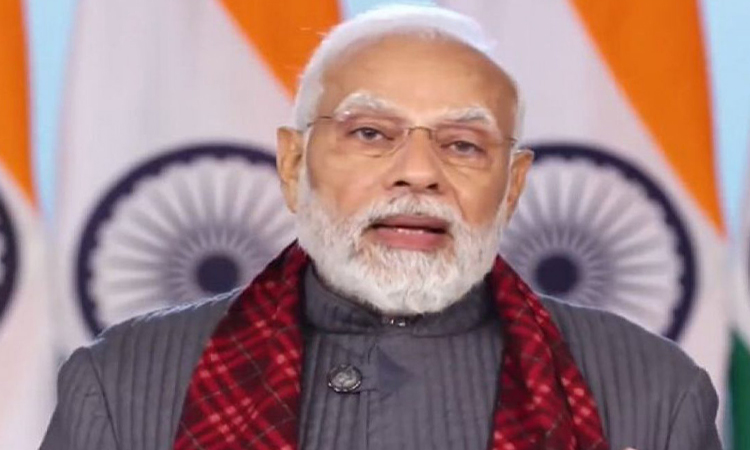



ISLAMABAD/NEW DELHI: India – in a move termed by critics an assault on press freedom – has banned the airing of a BBC documentary on Prime Minister Narendra Modi’s role in the deadly Gujarat riots of 2002 that claimed the lives of hundreds of Muslims.
The Indian government invoked emergency laws to block the documentary that takes a critical look at Modi’s role in the deadly riots more than twenty years ago, who was the chief minister of the western state when violence broke out between the majority Hindus and minority Muslims.
The documentary revealed that Modi’s conduct was criticised at the time by western diplomats and the British government, adding that it was found in a government document that the riots had “all the hallmarks of an ethnic cleansing”.
A number of YouTube videos of the first episode of the two-part documentary “India: The Modi Question” as well as 50 tweets with links to those videos were ordered to be taken down, Kanchan Gupta, senior adviser at the Ministry of Information and Broadcasting, said in a tweet.
He added that the government blocked the content using “emergency powers” under India’s information and technology rules.
India’s Ministry of External Affairs spokesperson Arindam Bagchi termed the documentary “a propaganda piece designed to push a particular discredited narrative.”
BBC terms the documentary ‘per highest editorial standards’
In response, the BBC said in a statement shared on social media that the film was “rigorously researched according to the highest editorial standards.”
More than 1,000 people – mostly Muslims – were killed during the three-day period of violence in Gujarat as Hindu mobs set fire to homes and stores owned by the Muslim minority. Violence erupted after dozens of Hindus were killed in a train bombing that was blamed on Muslims.