
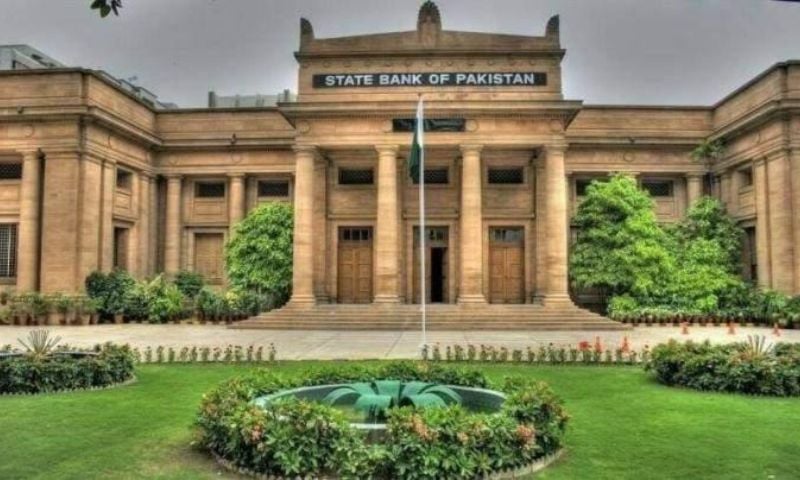



ISLAMABAD: Pakistan’s total liquid foreign reserves stood at $20.52 billion as of April 10, 2026, the State Bank of Pakistan (SBP) said on Thursday.
The central bank said the reserves included $15.08 billion held by the SBP and $5.45 billion in net reserves held by commercial banks, reflecting the country’s overall external liquidity position.
The central bank said reserves held by the SBP dropped by $1.32 billion during the week to $15.08 billion, mainly due to a repayment of $1.43 billion against Pakistan’s sovereign Eurobond.
“During the week ended on 10-Apr-2026, SBP’s FX reserves decreased by US$ 1,321 million to US$ 15,079.5 million,” SBP said.
Total liquid foreign #reserves held by the country stood at US$20.52 billion as of April 10, 2026.
For details: https://t.co/WpSgomnKT3#SBPReserves pic.twitter.com/2Qte0uLhY8— SBP (@StateBank_Pak) April 16, 2026
Despite the fall in reserves, Pakistan’s external account showed signs of improvement, with the country recording a current account surplus of $1.07 billion in March 2026.
The data, released by the SBP and shared by Finance Minister’s adviser Khurram Schehzad on social media, marks the second-highest monthly surplus on record.
The March surplus was slightly below the roughly $1.2 billion recorded in March 2025, indicating sustained strength in the external balance.
For the first nine months of the current fiscal year (July–March FY26), the current account recorded a marginal surplus of around $8 million.
𝗣𝗔𝗞𝗜𝗦𝗧𝗔𝗡’𝗦 𝗘𝗖𝗢𝗡𝗢𝗠𝗜𝗖 𝗧𝗥𝗜𝗨𝗠𝗣𝗛 – 𝗣𝗢𝗦𝗧𝗦 𝟮𝗡𝗗 𝗟𝗔𝗥𝗚𝗘𝗦𝗧 𝗦𝗨𝗥𝗣𝗟𝗨𝗦 𝗜𝗡 𝗠𝗔𝗥𝗖𝗛 𝟮𝟬𝟮𝟲
Pakistan’s external account continues to strengthen, delivering a third consecutive monthly surplus in 2026.
𝗖𝘂𝗿𝗿𝗲𝗻𝘁 𝗔𝗰𝗰𝗼𝘂𝗻𝘁… pic.twitter.com/lReMKH2JhO
— Khurram Schehzad (@kschehzad) April 16, 2026
This marks a turnaround from persistent deficits in previous years, reflecting improved external stability.
The current account measures the flow of goods, services, income and transfers between a country and the rest of the world.
A surplus indicates that inflows, such as exports and remittances, exceed outflows, including imports and debt payments.
Economists attribute the improvement to a narrowing gap between imports and exports, supported by controlled domestic demand and steady remittance inflows.