Key Points
- Government holds sector-specific consultations with electric fan manufacturers
- Industry highlights export potential and energy-efficient DC technology transition
- Financing access and raw material policy flagged as key challenges
- Minister emphasises competitiveness, scale, and policy consistency for export growth
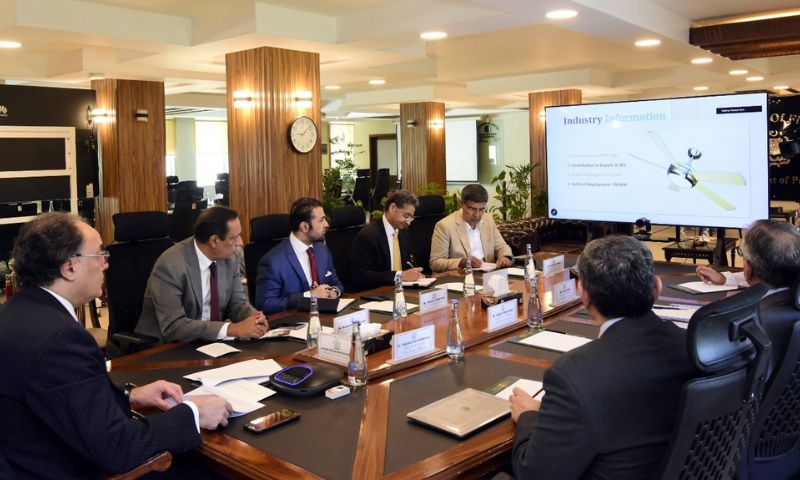
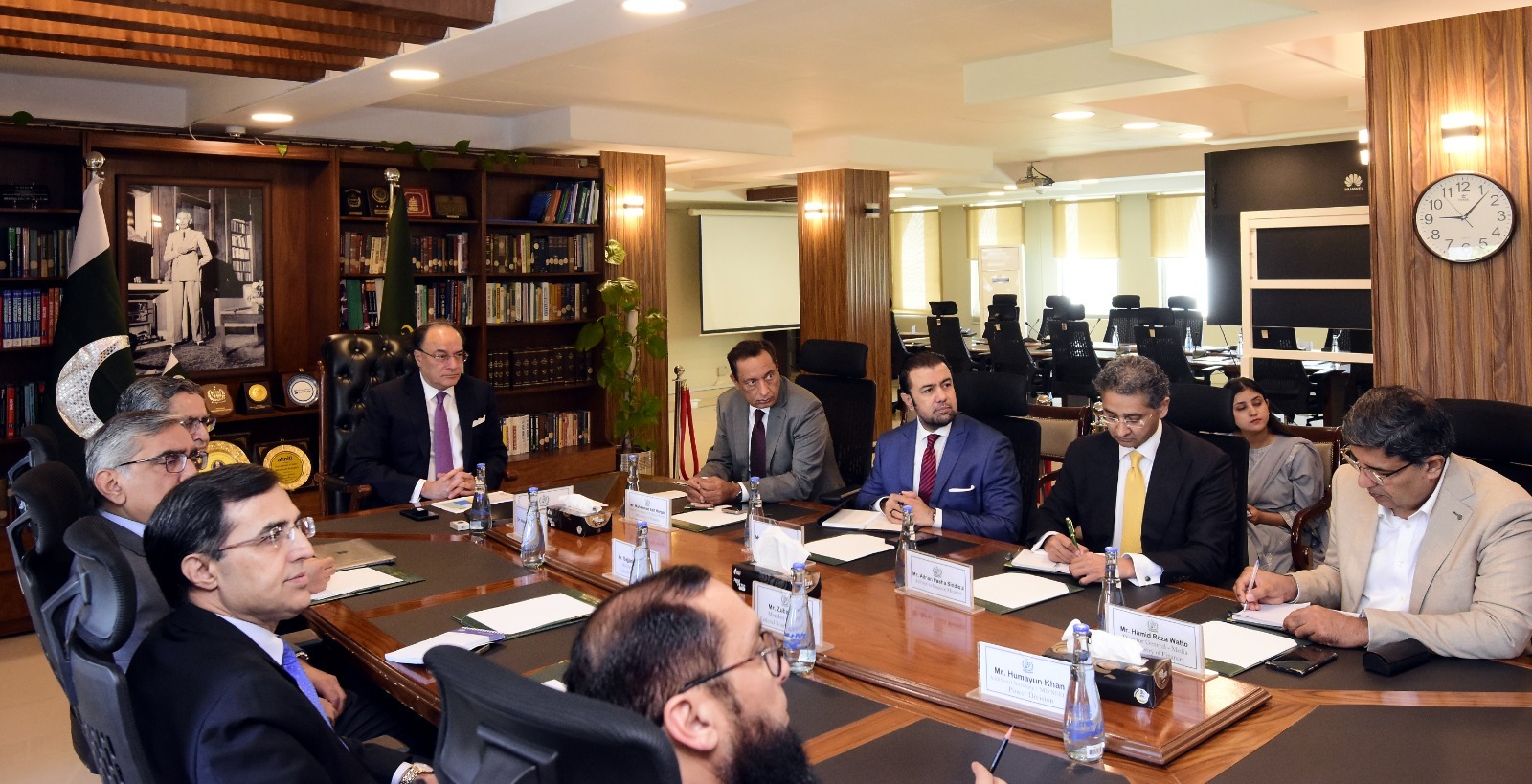
ISLAMABAD: Pakistan’s finance minister has held a virtual consultation with representatives of the country’s electric fan industry, focusing on export growth, financing needs, and the transition toward energy-efficient technologies.
The meeting, chaired by Finance Minister Senator Muhammad Aurangzeb, brought together representatives from leading industry bodies to discuss structural challenges and policy support measures required to strengthen the sector’s performance, according to a Finance Ministry statement.
The consultation reflects the government’s approach of engaging individual sectors to better understand operational dynamics and design targeted policy responses, it added.
Industry representatives highlighted that the electric fan sector is a fully indigenous manufacturing base, comprising around 300 manufacturers largely concentrated in Gujrat and Gujranwala.
The sector supports tens of thousands of direct and indirect jobs and maintains a strong value addition profile.
Participants also pointed to the industry’s export footprint, particularly in markets across the Middle East and Africa. Mentioning the existing foreign markets, the industry representatives highlighted both opportunities for expansion and recent performance trends.
A key area of discussion was the sector’s transition toward energy-efficient direct current (DC) fan technology.
Industry members expressed readiness to support the large-scale replacement of conventional fans, which could significantly reduce electricity consumption.
The finance minister told the fan manufacturers that a policy framework for energy efficiency is already in place. He observed that stronger awareness and better coordination with financial institutions are needed to accelerate adoption.
Access to finance emerged as a central concern, especially for capacity expansion to meet potential demand linked to energy efficiency initiatives.
The minister indicated that existing financing mechanisms would be reviewed to better align with sector-specific requirements.
Participants also raised concerns over the availability and utilisation of key raw materials, including copper and aluminium. They noted that increased exports of these inputs in raw form can constrain domestic value-added manufacturing, calling for a more balanced policy approach.
Issues related to small and medium-sized enterprise liquidity were also discussed, including tax refund processing, export facilitation, and input tariff structures.
According to the minister, ongoing reforms aim to rationalise costs and improve the overall business environment, encouraging the industry to provide detailed feedback.
The discussion further covered opportunities to enhance competitiveness and expand market access through innovation and targeted policy support.
Sustainable export growth depends on competitiveness, scale, and policy consistency, remarked the minister. Other than taxation, factors such as access to finance, energy efficiency, and market development are critical to strengthening industrial performance, he added.
He looked forward to continued engagement between the government and industry stakeholders to develop practical and forward-looking solutions.
The minister reaffirmed the government’s commitment to supporting value-added manufacturing and export-oriented sectors, stating that sustained dialogue will remain central to economic policymaking.