KEY POINTS
- Strikes hit Nangarhar, Paktika, and Khost provinces with precision.
- Seventy-two Afghan Taliban combatants killed in action.
- Over one hundred personnel wounded as Jalalabad hospitals face massive influx.
- Twelve Afghan border posts completely levelled by Pakistani military strikes.
- Thirty pieces of heavy armour and artillery neutralised in tactical raids.
- Taliban’s 203 Mansouri Corps faces significant logistics and command disruption.
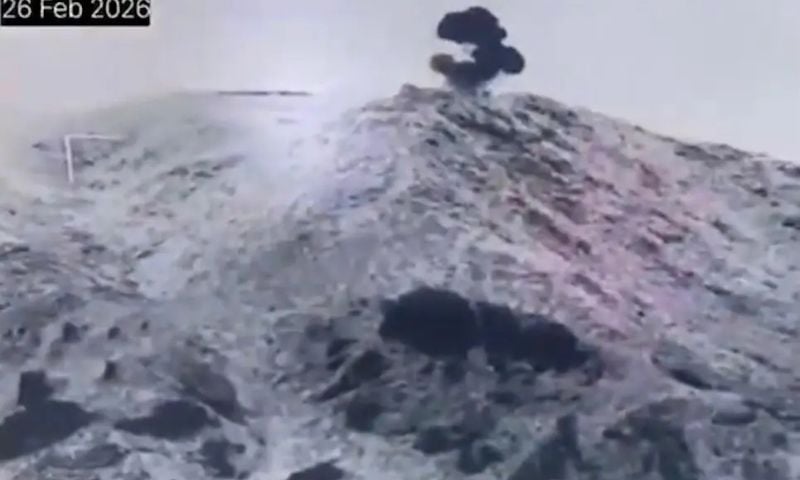
ISLAMABAD: Under the fading light of a late February 26 evening, the silence of the Pakistan-Afghan border was shattered by the roar of Pakistani fighter jets and the rhythmic thud of heavy artillery.
Pakistan officially launched Operation Ghazab lil-Haq (Wrath of Truth), a decisive military response to unprovoked and continuous aggression by Afghan Taliban forces.
The friction, which had been simmering for weeks following a series of tragic suicide bombings in Islamabad and Bajaur, reached a breaking point on February 26, 2026.
Reports emerged that Afghan Taliban units had initiated heavy firing along multiple border sub-sectors, including Torkham and Tirah.
Claiming that their sovereignty had been violated by earlier Pakistani intelligence-based strikes.
Update on the situation at the Pakistan Afghanistan border as of 0200 hrs Friday February 27
In response to unprovoked Afghan attacks, Pakistani counter strikes have been authorised and several iterations of these strikes have been conducted.
A total of 72 Afghan Taliban…
— Mosharraf Zaidi 🇵🇰 (@mosharrafzaidi) February 26, 2026
The response from Islamabad was swift, multi-dimensional, and unforgiving.
Frontier under fire
The operation targeted a broad arc of the volatile frontier, focusing on strategic insurgent corridors and Taliban military installations.
The heaviest kinetic activity was reported in Nangarhar province where ammunition depots and command centers were targeted to decapitate logistics.
Simultaneously, strikes in areas in Paktika province suspected of housing training camps for the TTP, also known as Fitna al-Khawarij.
In Khost Province, high-intensity clashes broke out near Anzar Sar, where the Taliban claimed to have made incursions before being pushed back by Pakistani counter-offensives.
These engagements extended to the major border crossings, where the Torkham and Nazyan sectors saw intense exchanges of mortar and small-arms fire, leading to a total halt of trade and civilian movement as the conflict intensified.
🚨 پاک-افغان حالیہ صورتحال
پاک فضائیہ کے حملے شروع ،ننگرہار کے اندر بڑا ایمونیشن ڈیپو تباہ
مزید حملے جاری #آپریشن_غضب_للحق #OperationGhazabLilHaqq pic.twitter.com/WATz0Gvptc
— PTV News (@PTVNewsOfficial) February 26, 2026
Heavy enemy losses
The fog of war remains thick, but official Pakistani state sources have begun releasing initial figures.
According to military reports, the “crushing response” has inflicted significant damage on the Afghan Taliban’s border infrastructure.
Pakistani officials said that at least 72 Afghan Khwarij (fighters) have been killed in the opening 24 hours of the operation.
This updated figure follows an earlier report of 58 fatalities, with the toll rising as the scale of the counter-strikes in the Kurram and Torkham sectors intensified.
Additionally, more than 120 Taliban fighters are reported to be wounded, with hospitals in Jalalabad and Khost reportedly overwhelmed by the influx of casualties from the frontline.
🚨🚨 بریکنگ
Operation Ghazab Lil Haq/ Update 0210 hr 27 Feb 2026:پاک افغان سرحد پر باجوڑ سیکٹر کےقریب فتنہ الخوارج کےدہشتگرد کی دراندازی کی کوشش ناکام ،سیکیورٹی ذرائع
سیکیورٹی فورسز نے بارڈر کراس کرنے والے فتنہ الخوارج کے دہشتگرد کوزندہ پکڑلیا، سیکیورٹی ذرائع
پکڑے جانے والے… pic.twitter.com/wnp29fCStV
— PTV News (@PTVNewsOfficial) February 26, 2026
Tactical gains achieved
The Pakistan military has also achieved high tactical success with 12 Afghan border posts completely destroyed.
Furthermore, the operation has neutralised over 30 pieces of heavy equipment, including tanks, artillery guns, and armoured personnel carriers that were allegedly being moved towards the frontier to support the Taliban’s 203 Mansouri Corps.
While the Taliban administration in Kabul disputes these numbers — counter-claiming significant losses on the Pakistani side — the scale of Operation Ghazab lil-Haq marks the most significant conventional military engagement between the two neighbours in decades.
As night falls over the Hindu Kush, the drone of unmanned aerial vehicles (UAVs) continues to haunt the mountain passes.
With the Pakistan Ministry of Defence stating that the operation will continue until “the threat is completely neutralised,” the region stands on the precipice of a much larger, more dangerous confrontation.
وزیر اعظم پاکستان محمد شہباز شریف
پاکستان کی عوام اور مسلح افواج ملک کی سلامتی، خودمختاری اور علاقائی سالمیت کے تحفظ کے لیے ہمہ وقت تیار ہیں۔
افواج پاکستان کا عزم ہے کہ کسی بھی صورت ملک کے امن اور تحفظ پر آنچ نہیں آنے دیں گے.
ہماری افواج کسی بھی جارحانہ عزائم کو خاک میں ملانے… pic.twitter.com/Bl3u0DCpU5
— PTV News (@PTVNewsOfficial) February 26, 2026