


Key Points
- Lasting candidates will contest for 45 directly elected seats
- The election has entered the appeals stage following scrutiny of nomination papers
- The 12 refugee constituencies are expected to be crucial
ISLAMABAD: A total of 1,224 candidates have entered the race for elections to the 45 seats of Azad Jammu and Kashmir (AJK) Legislative Assembly.
The electoral process is entering the appeals stage following the completion of scrutiny of nomination papers ahead of polling on July 27.
The Election Commission of Azad Jammu and Kashmir received 1,265 nomination papers for the 45 seats to be filled through direct voting.
Of these, 1,047 nomination papers were filed from the 33 constituencies within Azad Jammu and Kashmir, while 218 candidates submitted papers for the 12 constituencies reserved for refugees from Jammu and Kashmir residing in Pakistan.
Following scrutiny, the Election Commission rejected 41 nomination papers, leaving 1,224 candidates in the race.
Candidates whose nomination papers were accepted or rejected have been allowed to file appeals.
Hearings on the appeals are scheduled for June 29 and 30. The Election Commission will announce its final decisions on July 1 and 2 before publishing the final list of contesting candidates and allotting election symbols.
Winning candidates on 45 seats to decide the 53-member assembly
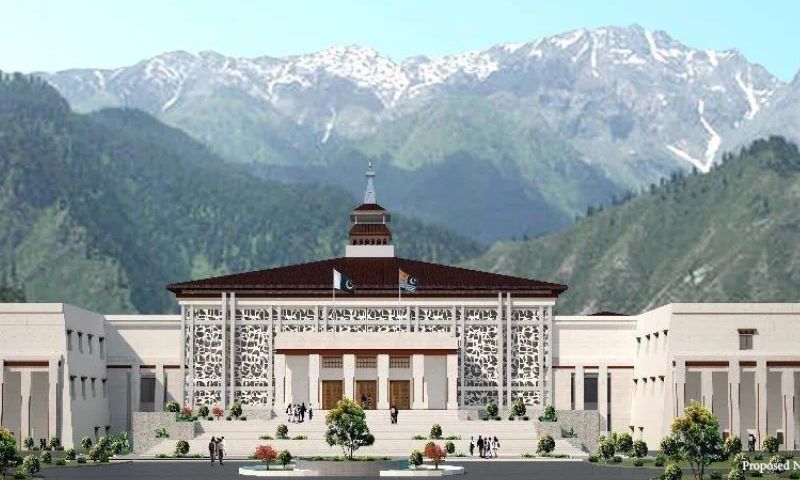
The election will determine the composition of the 53-member Legislative Assembly, the unicameral legislature of Azad Jammu and Kashmir.
Of its 53 seats, 45 are filled through direct elections, including 33 territorial constituencies within Azad Jammu and Kashmir and 12 constituencies representing refugees from Jammu and Kashmir living across Pakistan.
The remaining eight seats are reserved under the constitutional framework, including five for women, one for a technocrat, one for an overseas Kashmiri and one for a religious scholar.
These seats are allocated to political parties in proportion to the number of directly elected seats they secure.
The high number of candidates points to an intensely contested election involving the Pakistan Peoples Party, Pakistan Muslim League-Nawaz, Pakistan Tehreek-e-Insaf-backed candidates, All Jammu and Kashmir Muslim Conference, Jamaat-e-Islami and a large number of independent contestants.
Political analysts expect the 12 refugee constituencies to remain pivotal in determining which party secures a majority in the Legislative Assembly.
In previous elections, these seats have often proved decisive in government formation because of their distribution across different parts of Pakistan and the closely fought contests they produce.
Campaigning is expected to gather momentum after the completion of the legal process governing nominations.
Political parties are likely to focus on governance, economic development, employment, infrastructure, tourism, energy, public services and the Kashmir dispute during the month-long campaign.
The Election Commission has said all stages of the election schedule are being completed on time to ensure free, fair and transparent elections. Administrative preparations and security planning are also underway ahead of polling on July 27.
The outcome of the election will determine the composition of the next Legislative Assembly, which will elect the Prime Minister of Azad Jammu and Kashmir and steer its legislative and policy agenda over the next five years.