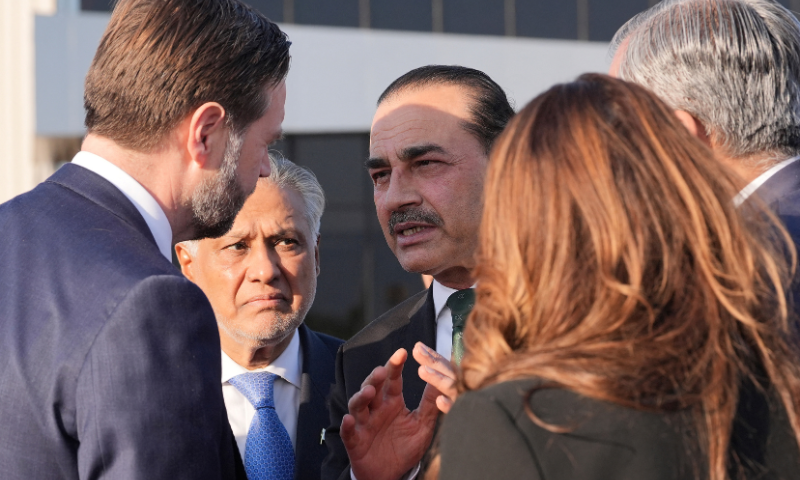



ISLAMABAD: A high-level United States delegation was due to arrive in Islamabad on Tuesday for a fresh round of talks with Iran, as Pakistan finalised extensive security arrangements and intensified diplomatic outreach to keep negotiations on track.
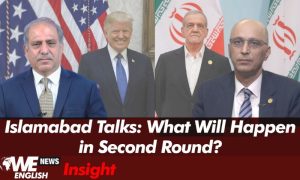
US President Donald Trump said the delegation, which includes special envoy Steve Witzkoff and senior adviser Jared Kushner, departed for Pakistan late Monday, expressing confidence that the negotiations would proceed without disruption.
“They’re heading over now… they’ll be there tonight, Islamabad time,” Trump told the New York Post, adding: “We’re supposed to have the talks, so I would assume at this point nobody’s playing games.”
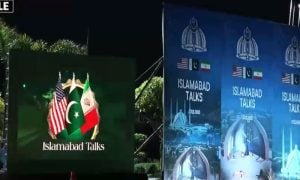
Pakistan is hosting the second round of high-stakes talks following an initial meeting earlier this month that helped maintain direct communication between Washington and Tehran despite heightened tensions.
Authorities in Islamabad have implemented stringent security measures ahead of the visit. Key routes, including the Islamabad Expressway and surrounding areas near strategic installations, have seen increased deployment of security personnel, temporary traffic restrictions, and the placement of containers to ensure the secure movement of delegations.
Officials said security protocols were being implemented “at the highest level”, with coordination between civil administration, police, and military units to safeguard visiting dignitaries and maintain order in the capital.
Despite public posturing from both Washington and Tehran, officials and analysts say behind-the-scenes engagement remains active and constructive.
“Despite public posturing, both sides have assured participation in the second round of talks,” said Islamabad-based security analyst Syed Muhammad Ali, noting that recent statements were largely aimed at domestic audiences.
The talks come as a 14-day ceasefire between the United States and Iran, brokered by Pakistan earlier this month, approaches its expiry on April 22, adding urgency to efforts to secure an extension or broader agreement.
Diplomatic sources said discussions are expected to focus on prolonging the truce and exploring pathways towards a more comprehensive settlement, including contentious issues such as Iran’s nuclear programme.
Trump reiterated that Washington’s primary objective remained preventing Iran from acquiring nuclear weapons, while also signalling openness to direct engagement with Iranian leaders if progress is achieved.
“I have no problem meeting them,” he said.
Pakistan has stepped up high-level contacts with both sides, positioning itself as an “honest broker” and expressing confidence that the talks will proceed as planned.
Prime Minister Shehbaz Sharif has remained actively engaged with regional stakeholders, while Deputy Prime Minister and Foreign Minister Ishaq Dar has emphasised the goal of achieving a lasting resolution rather than a temporary pause in hostilities.
Meanwhile, Iran’s leadership has maintained a cautious tone publicly, reflecting deep mistrust, but officials indicate willingness to continue dialogue.
Iranian officials said that the level of their participation could depend on the composition of the US delegation, with parliament speaker Mohammad Bagher Ghalibaf expected to be involved if talks reach a higher political level.
Global attention has also turned to the Strait of Hormuz, where tensions over maritime access persist. The United States has maintained a naval presence, while Iran has asserted control over the strategic waterway, a vital route for global oil supplies.
China has called for the waterway to remain open to navigation, underscoring the broader economic implications of the conflict.
Analysts say the combination of sustained diplomatic engagement and Pakistan’s mediation efforts offers a realistic opportunity to stabilise the situation and prevent further escalation.