
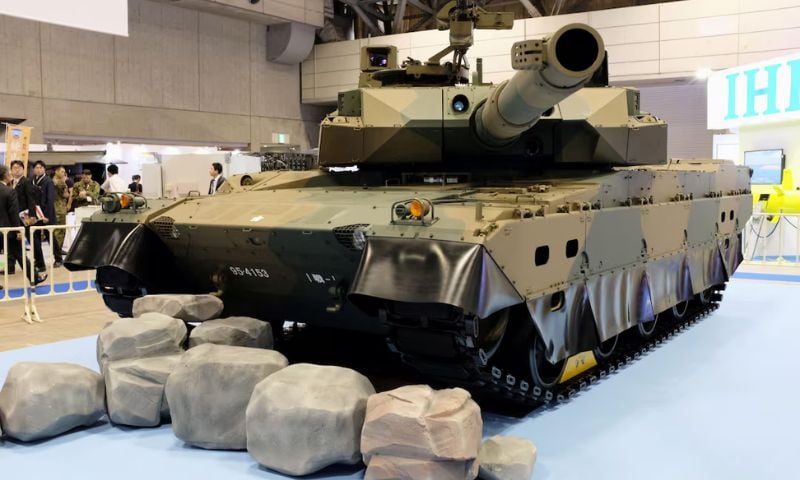
TOKYO, Japan: Japan has announced a major shift in its long-standing defence policy, easing restrictions on weapons exports and opening the door for the overseas sale of lethal military equipment.
The move, confirmed by government spokesman Minoru Kihara, marks a departure from decades of self-imposed limits that had largely confined exports to non-lethal categories such as search and rescue, transport, surveillance and minesweeping.
“These decisions have been made at a time when changes in the security environment surrounding our country are occurring at an accelerating pace, and they serve to ensure Japan’s security while contributing even more to peace and stability in the region and the international community,” Kihara said.
“Today, no nation can safeguard its own peace and security by itself alone.”
Prime Minister Sanae Takaichi said the revised framework would significantly expand export possibilities, noting that “with this amendment, transfers of all defence equipment will in principle become possible”.
Regional tensions
The policy change comes amid growing regional tensions, including increased military activity by China and ongoing threats from North Korea and Russia. Officials say the decision will help strengthen Japan’s defence capabilities while boosting economic opportunities through participation in the global arms market.
Supporters argue the shift will deepen security cooperation with allies and improve supply chain integration. However, critics warn it could undermine Japan’s pacifist traditions established after World War II.
Experts say the revised rules may also enhance cooperation with partner nations, ensuring smoother exchange of equipment and support during crises.
Recipients of Japanese defence exports will be limited to countries that commit to using the equipment in line with the United Nations Charter.