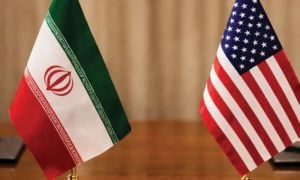



JAIPUR, India: US Secretary of State Marco Rubio said on Tuesday that a deal with Iran was still possible despite new American strikes that cast doubt on their fragile ceasefire.
“There were some talks going on in Qatar today, so we’ll see if we can make progress. I think it’s a lot of talking back and forth going on about specific language in the initial document, so it’ll take a few days,” Rubio told reporters in Jaipur during an official visit to India.
“The president expressed his desire to make it. He’s either going to make a good deal or no deal,” he said.
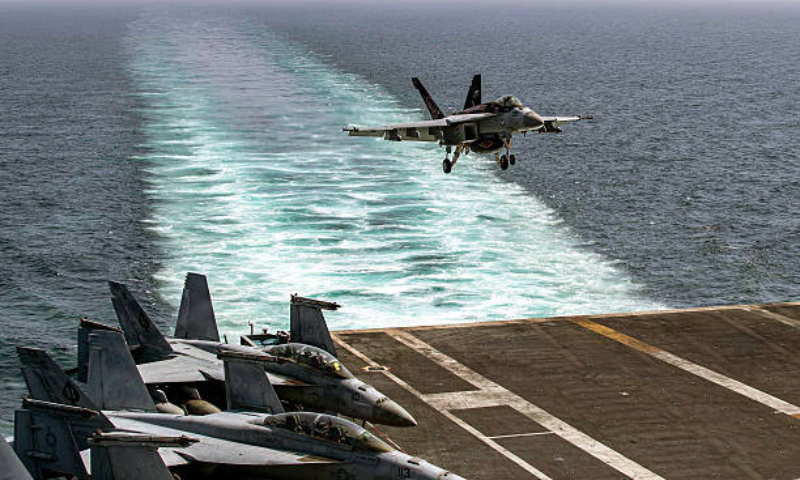
His comments came hours after the US military confirmed launching new strikes on targets in southern Iran, including missile sites and boats allegedly attempting to place naval mines.
US Central Command said the attacks were conducted in “self-defence” and aimed at “protecting our troops from threats posed by Iranian forces”.
A Central Command spokesperson said American forces “continue to defend our forces while using restraint during the ongoing ceasefire”.
“US forces conducted self-defence strikes in southern Iran today to protect our troops from threats posed by Iranian forces,” CENTCOM spokesman Tim Hawkins said in a statement.
The US military provided no further operational details but said the targets included missile launch sites and boats attempting to “emplace mines”.
The strikes came as Iranian foreign ministry spokesman Esmail Baqai acknowledged progress in talks with Washington but cautioned against expectations of an immediate agreement.
“It is correct to say that we have reached a conclusion on a large portion of the issues under discussion,” Baqai said Monday.
“But to say that this means the signing of an agreement is imminent — no one can make such a claim.”
Iran has not yet formally responded to the latest US strikes, and it remains unclear how the attacks may affect ongoing diplomatic efforts.
At the weekend, President Trump suggested the United States and Iran were close to a deal before later saying he had instructed negotiators “not to rush into” an agreement.
The current conflict began after the United States and Israel launched large-scale strikes on Iran on February 28, triggering retaliatory attacks by Tehran against Israel and US-allied Gulf states.
Iran also effectively shut down the Strait of Hormuz, disrupting global energy flows and sending oil prices sharply higher.
Diplomatic efforts have faced additional complications after Israeli Prime Minister Benjamin Netanyahu vowed to “crush” Iran-backed Hezbollah in Lebanon, while Tehran has insisted that any future agreement must also address fighting on the Lebanese front.
Meanwhile, Trump said in a social media post that Iran should either hand over its enriched uranium to the United States for destruction or destroy it under international supervision inside Iran.
It remained unclear whether the uranium proposal formed part of a broader emerging agreement with Tehran.