Key Points
- Petrol pumps in Islamabad and Rawalpindi report shortages and long queues
- Experts advise work-from-home for conservation from the first day of crisis
- Government meeting under the prime minister focuses on enforcement and monitoring
- Broader demand-reduction measures remain undecided despite market volatility
- Authorities maintain national petroleum stocks remain adequate
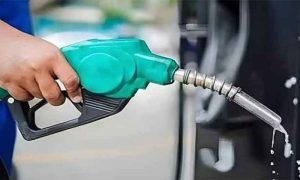
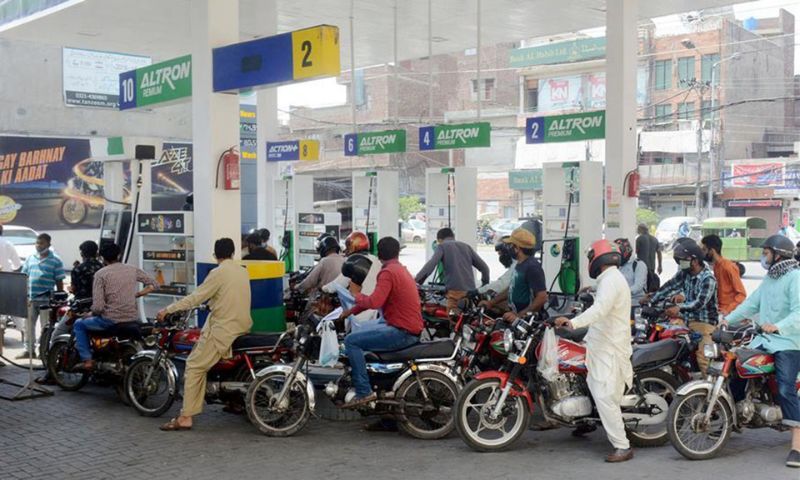
ISLAMABAD: Signs of fuel supply stress appeared in Pakistan on Friday, with motorists reporting shortages and long queues at petrol pumps in Islamabad and Rawalpindi, as a government meeting under the Prime Minister stopped short of announcing broader energy conservation measures.
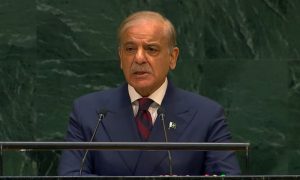
The Prime Minister chaired a contingency meeting to review petroleum stocks and was informed that sufficient fuel supplies were available in the country and no nationwide shortage had been reported so far, according to the PM’s office.
The prime minister directed authorities to intensify action against hoarding and artificial shortages and asked the energy ministry to work with provincial governments to develop a strategy for maintaining uninterrupted fuel supplies.
He also tasked the Energy Minister Ali Pervez Malik with consulting provincial administrations and preparing a workable plan for the conservation and efficient use of petroleum products.
Residents in the twin cities, however, reported temporary disruptions at several petrol pumps, with some outlets halting sales and others witnessing long queues as motorists attempted to refuel amid uncertainty about supplies.
The developments come at a time of heightened volatility in global energy markets triggered by escalating geopolitical tensions in the Middle East, a region that plays a central role in international oil production and shipping routes.
Energy analysts say the government’s focus on enforcement and monitoring is important but may need to be complemented by demand-management policies if regional instability persists.
Experts have advised authorities to introduce conservation measures from the early stages of any energy supply shock. Such measures can include work-from-home arrangements for offices and educational institutions, staggered working hours and limits on non-essential travel in major urban centres.
These steps, analysts argue, can significantly reduce daily fuel consumption in large metropolitan areas and help extend available petroleum stocks during periods of uncertainty.
However, broader demand-reduction measures remained undecided after the meeting chaired by the prime minister, leaving policies such as remote work arrangements and other fuel-saving initiatives pending. However the decision to review fuel prices weekly against the incumbent procedure of fortnightly review has been approved.
Pakistan imports most of its oil requirements and remains sensitive to fluctuations in global prices and potential disruptions in energy supply routes linked to regional conflicts.
Earlier this month, the government revised domestic petroleum prices upward under its fortnightly pricing mechanism.
Petrol prices increased by Rs 8 per litre to Rs 266.17, and high-speed diesel rose by Rs 5.16 per litre to Rs 280.86 per litre for the period ending March 15.
Officials say the government is monitoring developments through a cabinet-level committee reviewing international oil price trends, regional supply chain risks and potential economic implications for the country.