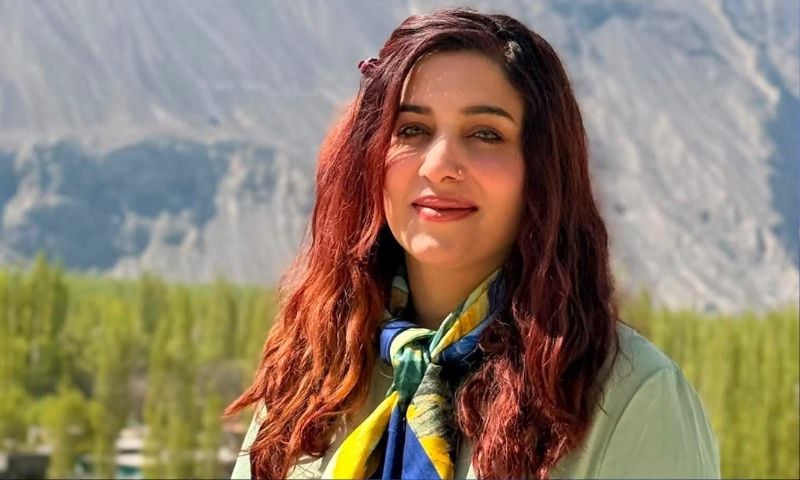
ISLAMABAD: Information Minister Attaullah Tarar on Monday said the body of Pakistani climber Dr Asma Mushtaq, who died on August 20 during her descent from Spantik Peak, was airlifted from the Base Camp to Skardu.
The 34-year-old climber died from a severe high-altitude medical emergency while descending the 7,027-metre peak, having successfully reached its summit.
“Dr Asma Mushtaq’s body has been safely airlifted from Spantik Base Camp to Skardu following an exceptionally difficult recovery operation,” Tarar said in a statement on X.
The minister added the body would be transported to Lahore on the next available flight, subject to favourable weather conditions.
“We are deeply grateful to FCNA, the Arandu Volunteer Rescue Team, and everyone involved in this effort,” Tarar said.
Dr Asma Mushtaq’s body has been safely airlifted from Spantik Base Camp to Skardu following an exceptionally difficult recovery operation. Subject to favourable weather conditions, it will be transported to Lahore on the next available flight.
We are deeply grateful to FCNA, the…
— Attaullah Tarar (@TararAttaullah) September 7, 2026
On September 2, Tarar said Asma’s body had been safely brought to Spantik Peak Base Camp by the Arandu Volunteer Rescue Team.
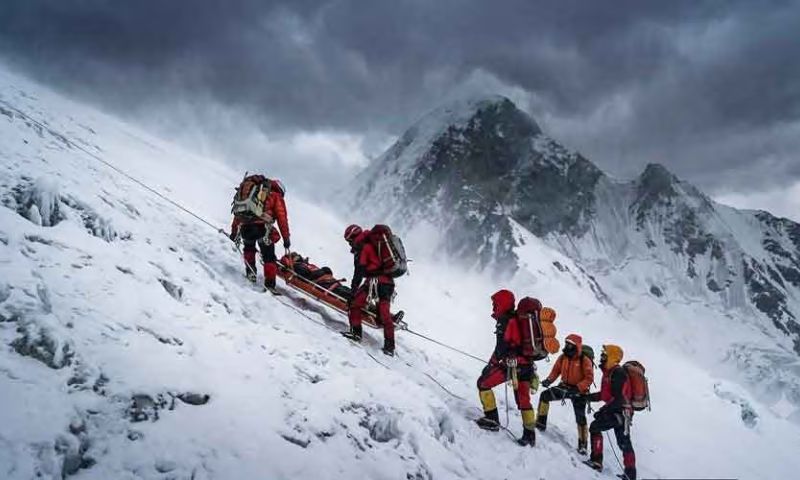
The recovery operation was prolonged and challenging, with harsh weather conditions and the extreme altitude complicating efforts to retrieve the body.
The mission had earlier been suspended after heavy snowfall and strong winds forced the rescue team to turn back while making its way toward Camp 3. Once weather conditions improved, the team resumed the operation, departing from base camp and heading toward Camp 2.
According to the Alpine Club of Pakistan (ACP), Mushtaq was in good health when she reached the summit of Spantik in the Karakoram range. However, while descending at an altitude of around 6,400 metres, she suffered a severe high-altitude medical emergency and died despite immediate efforts by her mountain guides to save her.
Mushtaq was originally from Lahore and worked in Britain as a doctor specialising in obstetrics and gynaecology, according to her social media profiles.
Away from her medical career, she was a traveller, vlogger and mountaineer who documented her expeditions on social media.
Extreme risks of high-altitude mountaineering
High-altitude sickness encompasses pulmonary and cerebral conditions caused by hypoxia, oxygen deprivation, due to rapid ascent and inadequate acclimatisation. Climate change-induced weather shifts have further exacerbated conditions on Karakoram peaks, creating additional hazards for climbers.
ALSO READ: Pakistani Climber Asma Mushtaq’s Body Recovered from Spantik Peak After 10-Day Ordeal
Experts emphasise that recovering a body from above 6,000 metres remains one of mountaineering’s most perilous tasks. Many such recoveries are deemed impossible, with bodies often left buried under snow.
Another loss for mountaineering community
Mushtaq’s death came just weeks after a major tragedy on Broad Peak, where renowned British-Nepali mountaineer Nirmal ‘Nimsdai’ Purja and nine other members of an international expedition died after being swept away by an avalanche on July 30.
The Broad Peak tragedy claimed the lives of climbers from several countries, including Pakistan, Nepal, China, Oman and the United States, highlighting once again the extreme risks faced by mountaineers attempting some of the world’s highest and most challenging peaks.
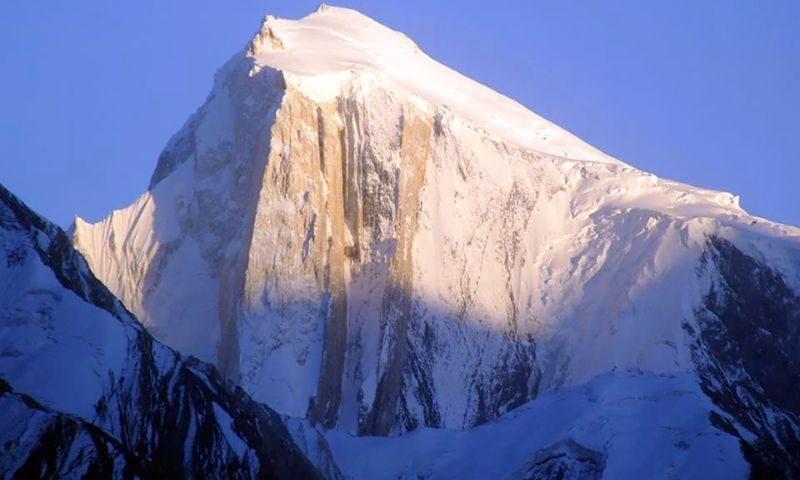
Spantik, also known as Golden Peak, is one of Pakistan’s prominent climbing destinations in the Karakoram and attracts mountaineers from around the world.
Pakistan is home to some of the world’s highest and most challenging mountains, including K2, the second-highest peak on Earth, as well as Nanga Parbat, Broad Peak, Gasherbrum I and Gasherbrum II.
The country’s spectacular Karakoram, Himalaya and Hindu Kush ranges draw mountaineers and adventure enthusiasts from around the world, while their extreme terrain and rapidly changing weather make climbing expeditions highly demanding.