Key Points
- Pakistan encourages refineries to explore Libyan crude
- Libya offers additional supplies for Pakistani companies
- Turkish vessel to begin seismic data collection in the Indus Basin next month.
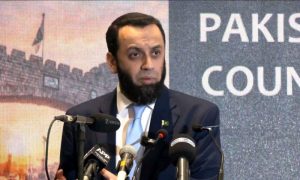
ISLAMABAD: Pakistan is seeking Libyan crude oil for its refineries to diversify supplies and reduce exposure to disruptions along key maritime routes, Petroleum Minister Ali Pervaiz Malik said during talks with Libya’s oil minister in Riyadh.
Malik met Libyan Oil and Gas Minister Khalifa Rajab Abdulsadek on the sidelines of the 17th International Energy Forum (IEF) ministerial meeting.
Pakistan’s Petroleum Minister also discussed liquefied natural gas (LNG) cooperation with his Qatari counterpart and offshore exploration with the Turkish Energy Minister.
Pakistani refineries to import Libyan crude
The petroleum minister said Pakistan had encouraged its refineries to explore imports of Libyan crude oil to strengthen energy security and maintain alternative supplies if shipping through the Strait of Hormuz or the Bab al-Mandeb Strait was disrupted.
Riyadh: Federal Minister Ali Pervaiz Malik met Libya’s Minister of Oil & Gas, H.E. Khalifa Rajab Abdulsadek, on the sidelines of the IEF Ministerial Meeting to discuss oil and gas cooperation, including Libyan crude oil supplies to Pak and collaboration on refinery upgradation https://t.co/TMGqDCLNpy
— Petroleum Division, Ministry of Energy (@Official_PetDiv) October 12, 2026
The Libyan minister described Pakistan as an important country for Libya and said he would encourage Libya’s national oil company to allocate crude oil to Pakistani companies.
The two sides also discussed refinery modernisation. Libya, which plans to upgrade its own refineries, expressed interest in learning from Pakistan’s experience in the sector.
The discussions reflected Pakistan’s efforts to diversify its energy supplies after the 2026 global energy shock, which disrupted not only oil and gas supplies but also shipping and insurance markets.
At the IEF meeting, Malik said Pakistan had avoided rationing major energy sources during the crisis despite its heavy dependence on imported energy.
He credited the government’s response and cooperation from Saudi Arabia, Qatar and Kuwait, thanking Saudi Energy Minister Prince Abdulaziz bin Salman for personally steering cooperation with Pakistan.
Malik attended the meeting at Prince Abdulaziz’s invitation and said his participation reflected Pakistan’s solidarity with Saudi Arabia during a difficult period.
READ ALSO: Oil Prices Fall as Trump Rules Out Iran Attack Before US Elections
Addressing the plenary session titled “Investment and Trade in Sustainable Energy Solutions: Making Energy Clean, Accessible and Affordable,” the Federal Minister stated that the Government of Pakistan stood shoulder to shoulder with the Kingdom of Saudi Arabia in this moment of trial.
He strongly condemned Houthi attacks on Saudi territory and offered condolences over the loss of life.
Addressing the session on investment and trade in sustainable energy solutions, Malik called for greater investment across crude oil, renewable energy, hydrocarbons, critical minerals and essential infrastructure, including electricity grids and pipelines.
He said energy security, affordability and sustainability must advance together, adding that Pakistan was strengthening its long-term energy strategy through strategic reserves, a proposed bonded reserves scheme, greater domestic production and investment in refineries and tank farms.
In a separate meeting, Malik and Qatar’s Energy Minister Saad Sherida Al-Kaabi discussed potential cooperation in the LNG sector.
Turkish Energy Minister Alparslan Bayraktar also met Malik and said he looked forward to visiting Pakistan next month to deploy a Turkish Petroleum Corporation (TPAO) seismic vessel for data collection in the Indus Basin.
Turkish expedition would explore crude oil and natural gas in Pakistan’s offshore exclusive economic zone.
Malik said Pakistan will work with IEF member countries to strengthen energy security, diversify crude supplies and attract investment in a secure, affordable and sustainable energy system.
The IEF meeting focused on investment and trade in sustainable energy solutions to make energy cleaner, more accessible and affordable.
Malik stressed that investment must cover renewable energy, hydrocarbons, critical minerals and infrastructure, while balancing innovation and sustainability with affordability, equity and access.
He said international investment and trade frameworks should ensure that the benefits of energy development trickle down to consumers while supporting reliable supplies and meeting the needs of future generations.