
KEY POINTS
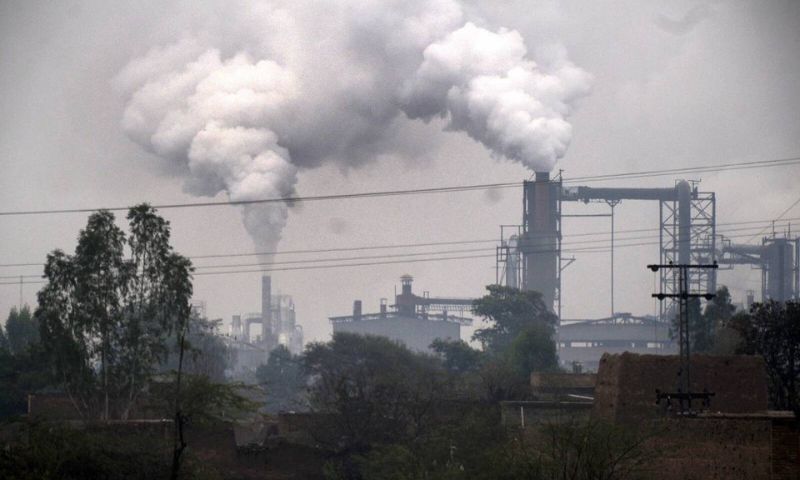
- Pakistan’s cement sector is responsible for 49% of national emissions
- Urban expansion is affecting up to 88% of the population
- Senator Sherry Rehman calls for the rapid adoption of circular construction
- The 2022 and 2025 flood collapses highlight life-threatening construction
ISLAMABAD: Pakistan must urgently overhaul its construction and urban planning systems as cement emissions surge, cities expand at unprecedented speed, and climate disasters repeatedly expose building standards.
Delivering a stark assessment of Pakistan’s climate vulnerability, Senator Sherry Rehman warned at the Pakistan Sustainability Summit in Islamabad on Wednesday that the country’s construction model is directly undermining its resilience.
The Senator noted that industrial activity accounts for 38 per cent of Pakistan’s energy-related CO₂ emissions, with the cement sector alone producing 49 per cent of total national emissions.
She argued that without a shift to circular and sustainable construction, Pakistan risks locking itself into high-emission infrastructure that will collapse under climate stress.
Urban pressures and planning failures
Citing the World Urbanisation Report, Rehman said 39 per cent of Pakistan’s population now lives in cities, but population density analyses lift the effective urban footprint to 88 per cent.
Nearly 42 per cent of the country is classified as peri-urban, where informal expansion is rapidly converting rural fringes into densely populated settlements.
Construction failures in recent floods
Recalling the 2022 floods, she said fragile structures built in hazardous zones collapsed within seconds, notably a hotel washed away in full view of cameras.
She added that similar planning failures resurfaced during the 2025 floods, evidence that “the private sector is still not alarmed” and regulators have not enforced safe construction on floodplains and stormwater paths.
Circular construction and economic gains
Rehman said Pakistan could save between 1.5 and 2 billion dollars annually by 2030 through circular construction, chiefly by reducing material imports and cutting landfill pressure.
Citing World Bank assessments, she said recycling half of the country’s construction and demolition waste could avert 4–5 million tons of CO₂ emissions a year, supporting Pakistan’s Paris Agreement commitments.
Waste crisis and low recycling rates
She highlighted that almost 30 per cent of Pakistan’s national waste stream comes from construction and demolition, despite most materials—concrete, steel, bricks, glass and wood—being reusable or recyclable.
Rehman noted Pakistan’s rapid rise in rooftop solar uptake, climbing to sixth place globally in the solar market from an “inconsequential” position three years earlier. She said the next frontier is embedding sustainability into building materials.
Scaling climate-resilient construction
Rehman highlighted the Sindh People’s Housing for Flood Affectees programme as an example of transparent, multi-hazard-resilient construction at scale.
The initiative aims to build 2.1 million flood-resistant homes for more than 15 million people, with nearly 800,000 women as direct beneficiaries.
She urged federal authorities to set measurable sustainability milestones and scale promising pilots, including Karachi’s circularity projects.
She warned that Pakistan’s climate threats are escalating faster than its planning reforms.