Key Points
- Washington is increasingly viewing Pakistan as a diplomatic intermediary beyond a security partner
- Pakistan’s balanced ties with the US, Iran and Gulf countries strengthen its mediation potential
- Economic cooperation and investment seen as key to stabilising US-Pakistan relations
- Pakistan offers demographic strength, low production costs and untapped resources to attract investors
WASHINGTON: Pakistan is increasingly being viewed in Washington as a potential diplomatic bridge in regional conflicts, particularly amid renewed tensions involving Iran, reflecting a shift in how US policymakers assess Islamabad’s strategic importance.
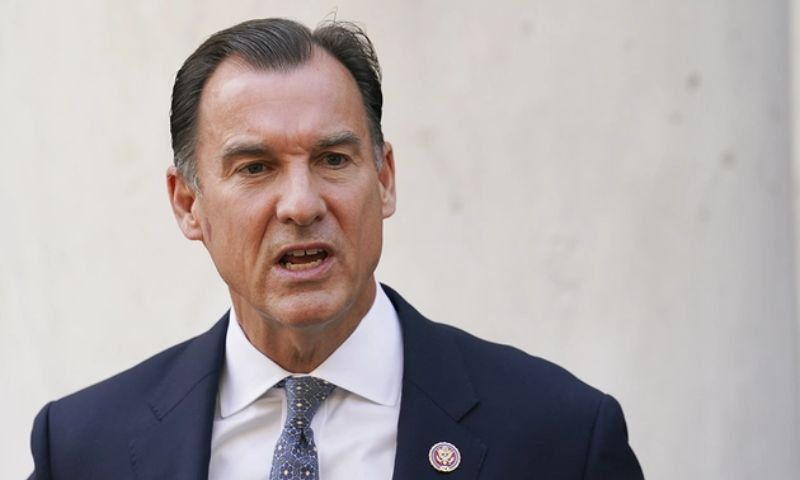
Speaking during a virtual briefing hosted by the Congressional Pakistan Caucus on Thursday, Congressman Tom Suozzi described Pakistan as a “very important neutral party” capable of facilitating dialogue between competing sides.
He pointed to the country’s geographic location, extensive regional relationships and growing global influence as factors that position it well for mediation efforts, according to Dawn.
Suozzi noted that Pakistan’s expanding population — already the fifth largest in the world — could further elevate its role in global affairs, particularly within the Muslim world.
According to him, these demographic dynamics are increasingly translating into diplomatic relevance.
Pakistan’s Ambassador to the United States, Rizwan Sheikh, echoed this view, emphasizing Islamabad’s balanced ties across multiple regions.
He highlighted Pakistan’s constructive relations with Washington, its proximity and neighborly engagement with Iran, and its close connections with Gulf nations as key assets in any potential mediation role.
The ambassador reiterated that Pakistan would be willing to facilitate dialogue if all parties involved express trust and interest.
However, he stressed that any mediation effort would ultimately depend on the willingness of the concerned countries to engage.
The discussion comes at a time when the United States is exploring broader diplomatic channels in the Middle East, often relying on regional partners to maintain communication with Iran.
Within this evolving context, Pakistan’s role is being reconsidered beyond its traditional security partnership with Washington.
Despite this potential, security concerns remain a central aspect of US-Pakistan relations.
Ambassador Sheikh acknowledged that Pakistan continues to face significant challenges from terrorism and militancy, which shape both its domestic policies and international engagements.
US officials also recognize Pakistan’s strategic weight, citing its nuclear capabilities, sizable military and its position in a geopolitically sensitive region.
At the same time, there appears to be growing interest on both sides in expanding ties into economic and commercial sectors.
Congressman Suozzi noted that while American businesses and the Pakistani diaspora show interest in investing in Pakistan, concerns over security, governance and regulatory hurdles often limit engagement.
He argued that strengthening trade and investment links could provide a more stable and long-term foundation for bilateral relations.
Ambassador Sheikh supported this perspective, pointing to Pakistan’s young population, cost-effective production base and untapped mineral resources as areas of economic opportunity.
He also highlighted that the United States remains Pakistan’s largest export market. The briefing also touched on immigration concerns, particularly delays in visa processing affecting Pakistani applicants.
Suozzi criticized the current pause in immigrant visa decisions, calling it ineffective, and said he was working with colleagues to address the issue. Sheikh described the delays as part of a broader, temporary review process and expressed optimism about a resolution.
On regional dynamics, Suozzi underscored the importance of peaceful coexistence between India and Pakistan, noting that their diasporas in the United States often live harmoniously.
Ambassador Sheikh reiterated Pakistan’s commitment to dialogue and its desire for lasting peace in South Asia based on mutual respect.
Overall, the tone of the discussion suggested a subtle but meaningful shift in US thinking.
As geopolitical tensions intensify and alliances evolve, Pakistan is being reconsidered not just as a security partner, but as a potential diplomatic intermediary with the capacity to influence regional stability.