Key Points:
- New diesel price stands at Rs353.43 per litre.
- Global oil prices fell after recent geopolitical tensions eased.
- Hormuz Strait supply fears had driven prices higher.
- Diplomatic efforts helped stabilise global oil supply concerns.
- Diesel cut expected to lower transport and food costs.
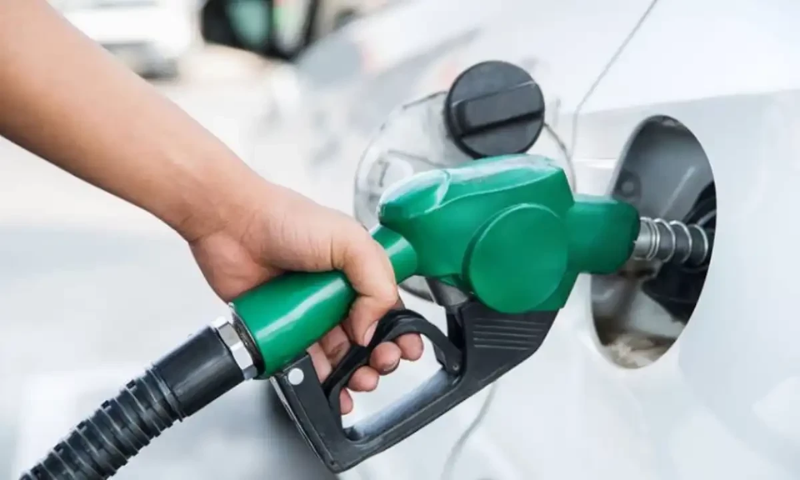
ISLAMABAD: Pakistan’s Prime Minister Muhammad Shehbaz Sharif has approved a significant reduction in diesel prices, offering relief to consumers after a recent surge in global oil markets began to stabilise.
According to a handout issued by the Prime Minister’s Office on Friday, the premier approved a decrease of Rs32.12 per litre in the price of diesel. Following the cut, the price has been reduced from Rs385.54 to Rs353.43 per litre.
The prime minister described the move as part of the government’s broader effort to provide immediate relief to the public, directing authorities to ensure that the benefits of lower fuel prices are passed on to citizens at the earliest.
Relief at last
The reduction comes in the wake of fluctuating international oil prices, which had risen sharply in recent weeks due to heightened geopolitical tensions, particularly in the Middle East.
Concerns over supply disruptions, including fears surrounding the strategic Strait of Hormuz — a key global oil transit route — had pushed prices upward in the international market.
However, prices began to decline after diplomatic efforts helped ease tensions in the region, reducing the risk of supply shocks. Increased assurances regarding uninterrupted oil flow and stabilisation in global demand-supply dynamics contributed to the downward trend in crude prices.
As international prices softened, countries including Pakistan moved to adjust domestic fuel rates accordingly. Diesel, which is widely used in transport, agriculture, and industry, is considered particularly sensitive for inflation, and its reduction is expected to have a cascading effect on the cost of goods and services.
Officials said the government aims to continue monitoring global oil trends and pass on any further relief to consumers in line with international market movements.