


Key Points
- Trump says Iran deal possible “within a day or two”
- U.S.-Iran talks advance amid conflicting signals
- Trump denies $20bn cash-for-uranium reports
- Islamabad emerges as key venue for negotiations
- Pakistan plays central role as neutral mediator
- Next round of talks likely in Islamabad soon
- Major hurdles remain despite growing optimism
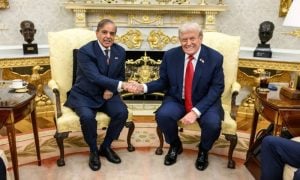
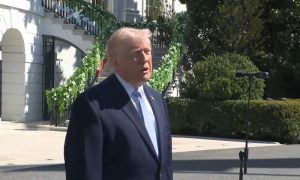
WASHINGTON / ISLAMABAD: US President Donald Trump has said he expects a deal with Iran “within a day or two,” according to an interview published by Axios, raising expectations of a possible breakthrough as diplomatic efforts intensify around Pakistan-mediated talks in Islamabad.
The remarks come amid a flurry of developments suggesting that negotiations between Washington and Tehran are advancing toward a potential framework agreement, though significant hurdles remain.
According to Axios and other reports, both sides are discussing a draft memorandum aimed at ending the conflict, with one widely reported element involving the possible release of up to $20 billion in frozen Iranian assets in exchange for Tehran relinquishing its stockpile of enriched uranium.
☢️🇺🇸🇮🇷Scoop: U.S. considers $20 billion cash-for-uranium deal with Iran, according to two U.S. officials and two additional sources briefed on the talks. @MarcACaputo and I wrote for @axioshttps://t.co/ikPej0qZ4X
— Barak Ravid (@BarakRavid) April 17, 2026
However, Trump has categorically denied that any such financial arrangement is under consideration. “It’s totally false. No money is changing hands,” he said, rejecting reports of a cash-for-uranium deal even as negotiations continue.
Trump has also told CBS News that Iran has “agreed to everything,” including removing enriched uranium. Yet these claims have not been independently confirmed by Iranian authorities, and diplomats familiar with the talks caution that key differences persist.
BREAKING: President Trump tells CBS News Iran has “agreed to everything,” including the removal of enriched uranium. https://t.co/eac5lIcNUD
— CBS News (@CBSNews) April 17, 2026
According to a Wall Street Journal report quoting a senior U.S administration official, U.S-Iran talks are likely to take place on Monday in Pakistan, though the engagement has not been officially scheduled or publicly confirmed.
The sources indicate that diplomatic teams are on standby and preparations are underway for a possible round of negotiations in Islamabad, reflecting the fast-moving and fluid nature of the process. However, officials caution that the timing and venue remain subject to final confirmation, and no formal announcement has yet been made.
Pakistan’s central mediation role
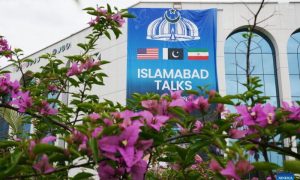
At the heart of these negotiations is Pakistan’s increasingly prominent role as a neutral mediator and facilitator. Islamabad has hosted both direct and indirect engagements between U.S. and Iranian officials, positioning itself as a key diplomatic bridge at a time of heightened regional tensions.
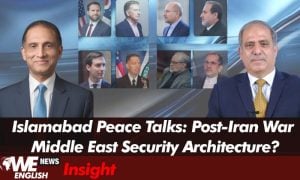
The first round of high-level talks in Islamabad earlier this month marked a significant step, bringing senior officials from both sides into sustained engagement. While no final agreement emerged, the discussions were described as constructive, focusing on confidence-building measures and outlining a pathway toward broader settlement.
Pakistan’s facilitation has been widely acknowledged by diplomatic sources, with its balanced relations with both Washington and Tehran enabling it to play a credible intermediary role. In addition to hosting talks, Islamabad has reportedly helped shape proposals, encouraged continued engagement, and worked to keep communication channels open.
Momentum builds—but challenges remain
Recent developments suggest that momentum is building. Diplomatic sources indicate that another round of talks could take place in Islamabad in the coming days, potentially involving senior U.S. officials, including Vice President JD Vance.
Backchannel contacts and draft exchanges have continued, with multiple stakeholders encouraging progress toward a framework agreement. However, the negotiations remain complex and sensitive.
Key issues include verification mechanisms for nuclear commitments, sequencing of sanctions relief, and the handling of Iran’s enriched uranium stockpile. These technical and political challenges have historically complicated efforts to reach a durable agreement.
A rare moment of opportunity
Despite the surge in optimistic statements—particularly Trump’s suggestion of a deal within days—analysts warn against premature conclusions. Conflicting signals, including reports of financial incentives and official denials, highlight the fluid nature of the talks.
Decades of mistrust between the United States and Iran, combined with the complexity of nuclear diplomacy, mean that any agreement will require careful negotiation and verification.
Still, the convergence of intensified diplomacy, high-level political signaling, and Pakistan’s active mediation has created a rare window of opportunity. Islamabad remains at the center of these efforts, hosting and facilitating dialogue at a critical juncture.
Whether a breakthrough materializes in the coming days, as Trump suggests, or requires further rounds of negotiation, will depend on the ability of both sides to bridge remaining gaps and translate momentum into a concrete agreement.