Key Points
- Two Chinese oil tankers carrying around four million barrels of crude safely exited the Strait of Hormuz, signaling cautious easing in a key global shipping route.
- US officials, including Donald Trump and JD Vance, indicated “progress” in Iran talks, raising hopes of a possible diplomatic breakthrough despite ongoing tensions.
- Oil markets reacted to the developments with volatility as analysts warned that uncertainty remains high over whether negotiations will lead to a lasting agreement.
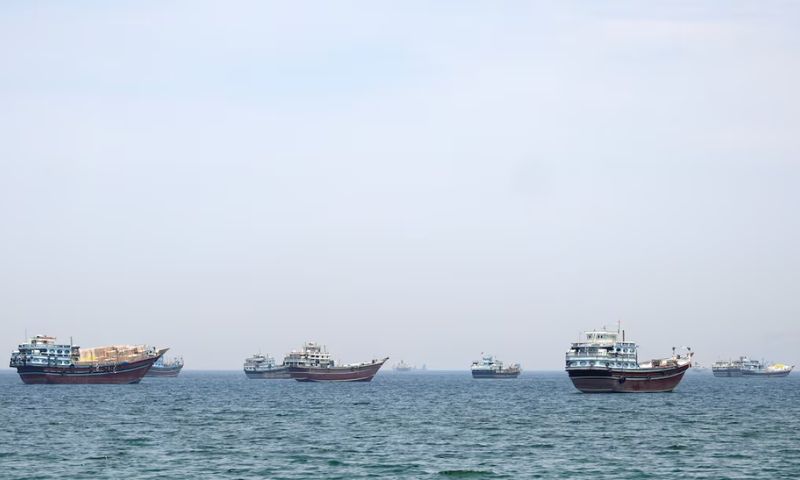
SINGAPORE/WASHINGTON: Maritime data indicated that two Chinese oil tankers carrying approximately four million barrels of crude successfully exited the Strait of Hormuz on Wednesday, a development seen as a tentative sign of stabilising conditions in one of the world’s most sensitive shipping corridors.
The movement comes alongside increasingly optimistic public remarks from senior US officials regarding negotiations with Iran.
According to shipping intelligence from LSEG and Kpler, the vessels—among a limited number of very large crude carriers transporting Iraqi oil—passed through the strategic waterway as tensions in the Gulf region showed slight signs of easing.
The Strait of Hormuz, a critical artery for global energy supplies, has faced severe disruption in recent months due to heightened military confrontation involving the United States and Israel against Iran.
The maritime update coincided with upbeat statements from US President Donald Trump and Vice President JD Vance, both of whom suggested that diplomatic progress had been made in discussions aimed at ending hostilities with Tehran, according to Reuters.
President Trump said on Tuesday that the conflict could conclude “very quickly”, adding that he had temporarily halted a planned escalation after receiving what he described as a new proposal from Iran.
He further claimed that Tehran was actively seeking a settlement, while warning that military action could still proceed within days if negotiations failed.
“I was an hour away from making the decision to go today,” Trump told reporters at the White House, underscoring the volatility of the situation while maintaining that diplomatic options remained open.
Vice President Vance, speaking at a White House briefing, echoed cautious optimism, stating that “a fair amount of progress” had been achieved in talks with Iranian representatives.
However, he also acknowledged that negotiations remained complex due to what he described as an inconsistent or fragmented Iranian negotiating structure. He stressed that Washington was focused on clearly defining its “red lines” while continuing dialogue.
The Vice President also reiterated that one of the central objectives of US policy was to prevent the emergence of a nuclear arms race in the Middle East, framing the talks within broader regional security concerns.
Despite these signals of engagement, uncertainty persists over the viability of a lasting agreement. Analysts note that investor sentiment remains highly sensitive to shifting political messaging from Washington and developments in the Gulf.