BEIRUT: Officials from Lebanon and Israel are set to engage in an unprecedented face-to-face meeting in Washington, D.C. on Tuesday, with securing a ceasefire in their ongoing six-week conflict expected to dominate discussions, diplomatic sources have said.
The meeting, scheduled at the US State Department, will bring together Lebanon’s ambassador to Washington, Nada Moawad, and her Israeli counterpart, Yechiel Leiter, marking a rare and significant diplomatic encounter between the two adversaries. The talks are also expected to include Michel Issa and a senior US official.
According to Lebanese officials familiar with the preparations, Beirut intends to present a ceasefire proposal as a first step towards halting hostilities. Any progress could open the door to broader negotiations, potentially involving a separate Lebanese delegation led by former envoy Simon Karam. On the Israeli side, future negotiations are expected to be headed by Ron Dermer.
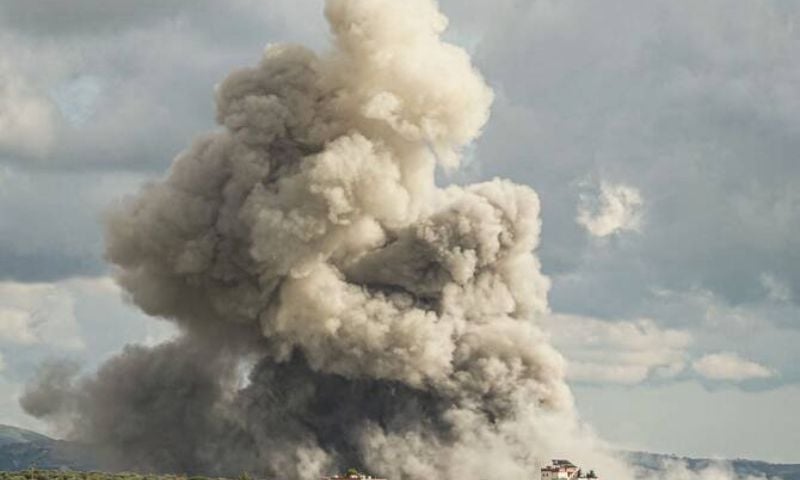
The talks come amid escalating violence in southern Lebanon, where Israeli forces are intensifying operations, particularly around the strategic border town of Bint Jbeil. The area has witnessed fierce clashes between Israeli troops and fighters from Hezbollah, with both sides reporting significant losses.
Israeli Prime Minister Benjamin Netanyahu has vowed to continue military operations, emphasising objectives that include neutralising Hezbollah’s capabilities and establishing a buffer zone along the northern border. Meanwhile, Hezbollah has responded with drone attacks targeting Israeli military positions near the frontier.
According to Arab News, Lebanon’s leadership, including President Joseph Aoun and Prime Minister Nawaf Salam, has firmly rejected indirect or third-party negotiations, insisting on direct state-level engagement. Officials have also stressed the importance of separating Lebanon’s position from broader regional dynamics, particularly tensions involving Iran.
Despite cautious diplomatic momentum, internal divisions persist. Hezbollah and its ally, the Amal Movement, have expressed strong reservations about engaging in negotiations under ongoing military pressure, warning that such conditions could favour Israeli objectives.
The conflict has already inflicted a heavy humanitarian toll, with over 2,000 fatalities, thousands wounded and more than a million people displaced, alongside widespread destruction of infrastructure across southern Lebanon.
International actors are increasingly pressing for de-escalation. Antonio Tajani has offered to host future rounds of negotiations, while Germany has reiterated support for Lebanon’s sovereignty and ceasefire efforts.
As diplomatic efforts gather pace, the Washington meeting is seen as a critical test of whether both sides can move towards a truce, or whether the conflict risks further escalation in an already volatile region.