Key Points
- Aurangzeb says diplomacy is a process, not an event
- Describes Iran–US weekend talks as “high stakes” engagement
- Says discussions continue with recognition from both sides
- Warns conflict could have major global and domestic economic impact
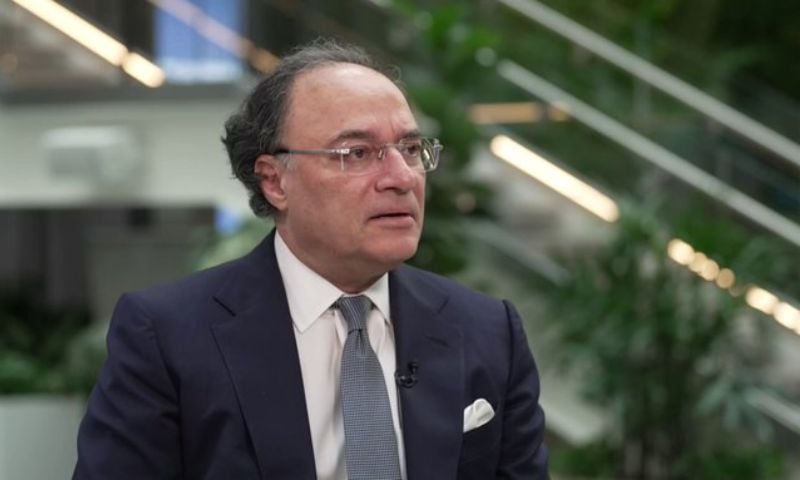
WASHINGTON: Pakistan’s Finance Minister Muhammad Aurangzeb has said that “our leadership is still at it” in ongoing diplomatic efforts related to the Iran–United States conflict, underscoring continued engagement even after recent high-level talks in Islamabad.
In an interview with CNBC in Washington, Aurangzeb said diplomacy remains active following what he described as a “very earnest effort” over the weekend involving direct engagement between the two sides.
“All I can say is that diplomacy is a process, not an event. So our leadership is still at it,” he said, adding that the effort had been “recognised both by the US leadership and the Iranian leadership” and that “at this point, the discussions continue.”
Referring to the recent Islamabad talks, he said the weekend engagement was a “high-stakes talk” and has described it as the most significant contact between the two sides “since 1979,” noting that the very fact of dialogue marked an important development even in the absence of an outcome.
On expectations of a breakthrough, he said it was premature to expect a deal or a timeline for renewed talks in the first such sitting, stressing that the immediate priority was ensuring that the ceasefire continues.
“It’s difficult to double down on exact dates,” he said, adding that engagement between the parties was ongoing.
Aurangzeb also said Pakistan views continued dialogue as essential, stating: “We have to be hopeful because dialogue and diplomacy are the way forward,” particularly in a situation that carries wider regional and global risks.
He warned that prolonged instability could have serious economic consequences, including impacts on energy prices, supply chains and imported fuel costs, noting that Pakistan—like many countries—remains exposed to developments in the Middle East due to its reliance on imported energy.
The minister said Pakistan had managed its immediate fuel availability requirements but cautioned that extended disruption could create broader economic pressures globally.
Pakistan remained actively engaged in facilitating diplomatic contacts between Iran and the United States, including hosting the Islamabad Talks, which brought both sides into direct discussions after decades of limited or indirect engagement. Officials say engagement remains ongoing, with a focus on sustaining dialogue and preventing escalation.