MUSCAT: Iran and Oman have held the inaugural meeting of their joint committee on the Strait of Hormuz, marking a new step in bilateral cooperation over one of the world’s most strategically important maritime routes.
Iranian Deputy Foreign Minister Kazem Gharibabadi announced the development on Monday, saying the meeting took place in the Omani capital, Muscat.
در سفر به مسقط، اولین نشست کمیته مشترک هرمز با عبدالعزیز الهنایی، وزیر مشاور در امور خارجه عمان برگزار شد. ضمن مرور مسائل جاری در رابطه با تنگه، درباره مدیریت آینده تنگه در چارچوب بند پنج یادداشت تفاهم اسلام آباد و حقوق حاکمیتی دولتهای ساحلی تبادل نظر کردیم. pic.twitter.com/m26EBHWwhn
— Gharibabadi (@Gharibabadi) June 29, 2026
According to Gharibabadi, delegates from both countries exchanged views on the sovereign rights of Gulf states and discussed the future management of the Strait of Hormuz in line with the interim agreement reached earlier this month between Tehran and Washington.
The Omani delegation was led by Abdulaziz Al-Hinai, Oman’s Minister of State for Foreign Affairs. During the meeting, the two sides reviewed issues related to the Strait and discussed its future management within the framework of Paragraph Five of the Islamabad Memorandum of Understanding, as well as the sovereign rights of the Gulf states.
The discussions focused on strengthening regional coordination over the vital shipping corridor, which serves as a key gateway for global energy exports.
While no further details of the meeting were disclosed, the committee is expected to facilitate continued dialogue on maritime governance and regional stability.
The meeting comes amid renewed diplomatic engagement following the interim understanding between Iran and the United States, which has prompted broader discussions on security and navigation in the Gulf region.
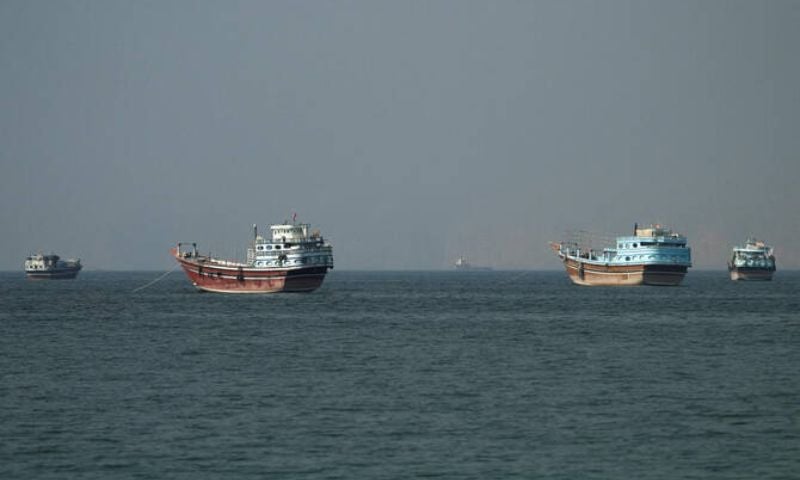
The Strait of Hormuz remains one of the world’s most critical maritime chokepoints, with a significant share of global oil and liquefied natural gas shipments passing through the narrow waterway each day. Developments concerning its management are closely watched by regional states and the international community.