


DUBAI: Iran expanded its military retaliation across the Gulf on Tuesday, launching missile and drone attacks against targets linked to the United States and its regional allies following a third consecutive night of American air strikes on Iranian territory.
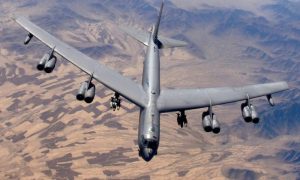
The latest escalation comes after the United States carried out fresh strikes on Iranian military infrastructure, including coastal defence, missile and drone facilities, as Washington stepped up pressure on Tehran over attacks on commercial shipping and maritime security in the Strait of Hormuz.
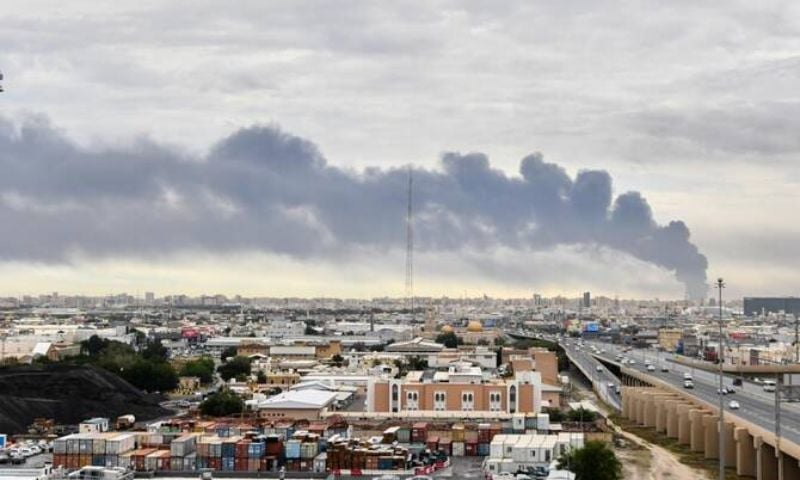
Iran responded by firing ballistic missiles at military installations in Bahrain and Jordan, while also targeting UAE-linked oil tankers transiting near the Strait of Hormuz.
The attacks marked one of the broadest retaliatory operations launched by Tehran since the conflict sharply intensified.
The United Arab Emirates (UAE) said two of its national tankers were struck by Iranian cruise missiles while passing through the Strait of Hormuz.
One crew member was killed, and several others were injured. Emirati authorities described the incident as a serious violation of international law and reserved the right to respond.
Bahrain confirmed that missile alerts were activated during the attacks, while Jordan also reported incoming missiles targeting facilities associated with US forces. Defence systems were activated in both countries as regional militaries moved to counter the threats.
Earlier rounds of Iranian retaliation had also prompted security alerts in Qatar, Kuwait and Oman, with air defence systems intercepting several missiles and drones aimed at US military facilities across the Gulf.
Qatar had temporarily raised its national security threat level before later announcing that the immediate danger had passed.
Iran has targeted Qatar during the current escalation by launching retaliatory strikes, alongside Bahrain and Kuwait, after fresh US air strikes.
Iran has also targeted US military installations in Kuwait during its latest wave of retaliatory attacks. While there have been no confirmed direct Iranian strikes on Oman in the past five days, the country has been affected by the wider regional conflict earlier this year.
The renewed exchange of attacks followed President Donald Trump’s announcement that the United States would enforce a maritime blockade on Iran and continue military operations aimed at protecting commercial shipping through the Strait of Hormuz.
Washington has accused Tehran of threatening one of the world’s most strategically important energy corridors.
The rapidly expanding conflict has heightened fears of a broader regional confrontation involving multiple Gulf states.
Oil prices surged as investors grew increasingly concerned about potential disruptions to global energy supplies passing through the Strait of Hormuz, through which roughly one-fifth of the world’s seaborne oil trade normally flows.
Regional governments have condemned the attacks and strengthened security around critical infrastructure, while international calls for restraint have intensified amid concerns that further military escalation could destabilise the wider Middle East.