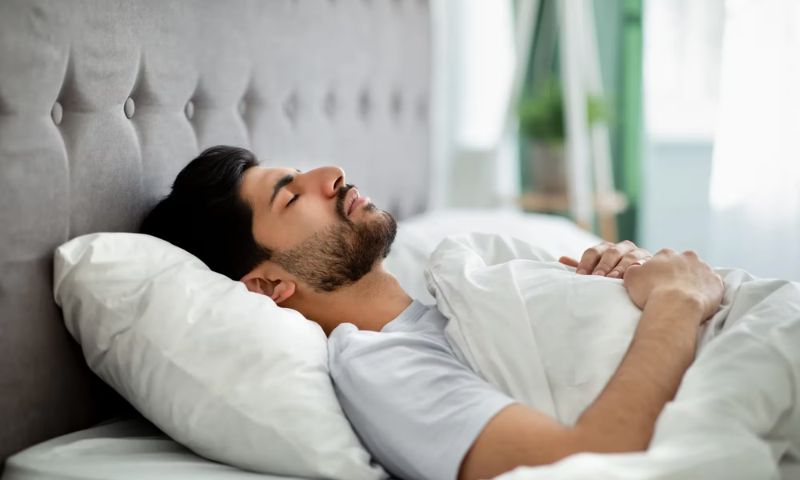
NEW YORK: Quality sleep is essential for overall health, influencing heart function, metabolism, breathing and immune defences, health experts say.
Beyond sleep duration, the position in which a person sleeps can also play a significant role in health outcomes.
Health specialists, cited by Healthline, said that while sleeping positions are often a matter of personal comfort, certain postures may either support or undermine physical well-being, depending on individual health conditions.
Why sleep position matters
Sleep position can affect the spine, airways and digestive system. Some positions may contribute to back pain and stiffness, while others can worsen breathing disorders or acid reflux.
Nancy Collop, a professor of medicine and neurology and director of the Emory Sleep Center, said sleeping on the back can increase the risk of snoring and sleep apnea in some people.
“If the upper airway is vulnerable to collapse, then when sleeping on your back, you are more prone to snore or have sleep apnea,” Collop told Healthline.
She explained that when lying flat, the jaw may drop backwards, narrowing the airway.
She added that people prone to acid reflux may also experience worsening symptoms when sleeping flat, either on the back or side.
Sarathi Bhattacharyya, a pulmonologist and sleep medicine specialist and medical director of the MemorialCare Sleep Disorders Center in Long Beach, California, said the impact of sleep position varies depending on medical history.
“Common considerations that may influence your choice of sleeping position include chronic pain, sleep apnea, and pregnancy,” Bhattacharyya said.
“Certain positions can make these conditions more challenging or worsen their impact on the quality of your sleep.”
Best sleeping positions
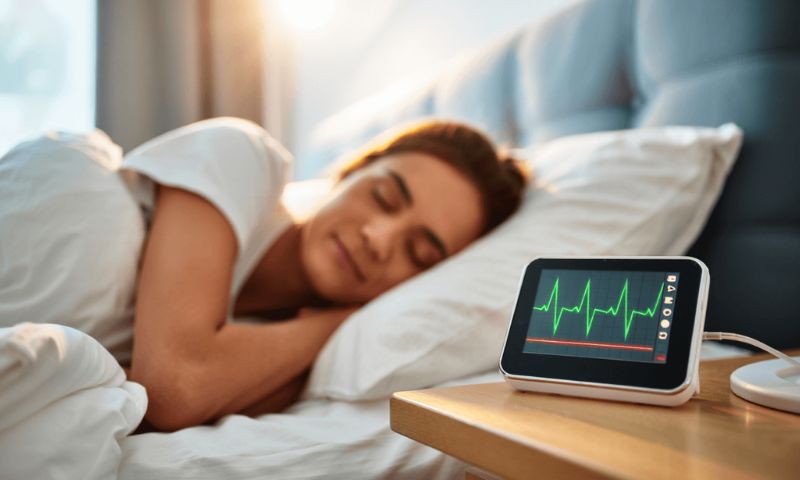
Experts say there is no single “best” position for everyone, but some postures may offer health benefits in specific situations.
A recent systematic review found that supported side sleeping and back sleeping may be beneficial for spine health in people with lower back pain.
Collop said side sleeping, particularly on the right side, may be among the healthier options for many people.
Bhattacharyya stressed that medical context matters. He noted that sleeping on the back can help align the spine and neck, reducing strain and easing back or neck pain.
For people with sleep apnea, he said side sleeping is often recommended, unless the condition is effectively treated, such as with continuous positive airway pressure (CPAP) therapy.
During pregnancy, especially in later stages, doctors often advise side sleeping.
Bhattacharyya said the left side is commonly recommended to reduce pressure on major blood vessels.
Worst sleeping positions
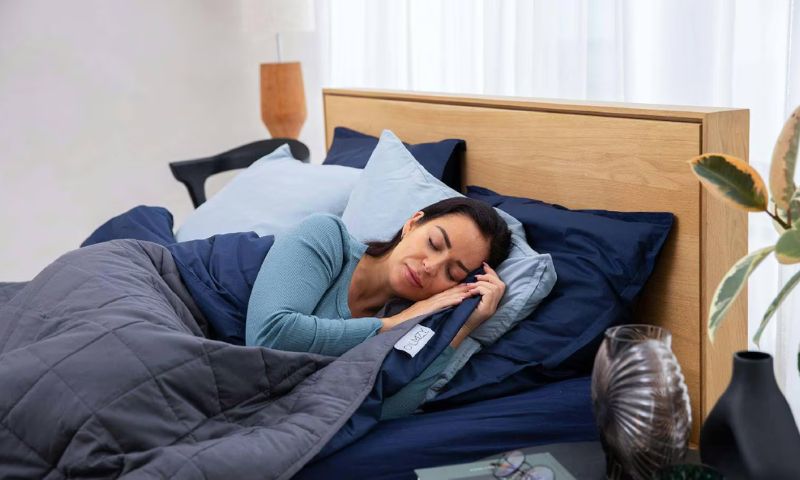
Both experts cautioned against stomach sleeping. Bhattacharyya said this position is generally not recommended for managing chronic conditions.
“Sleeping on your stomach can contribute to worsening of both sleep apnea and chronic pain,” he said.
Stomach sleeping may also increase the risk of back, neck and shoulder pain due to poor spinal alignment.
Collop said back sleeping can also be problematic for people with breathing issues, though elevating the head may reduce these effects.
How to change sleep habits
Adjusting sleep position can be difficult and may take weeks, experts said.
Bhattacharyya advised using pillows to support the body. Placing pillows under the knees and lower back can help with alignment when sleeping on the back.
A pillow between the legs can support the spine and hips when side sleeping.
“Start the night in your desired sleeping position, even if you may not maintain that position all night,” he said.
Collop noted that devices are available to discourage rolling onto the back, including wearable “trainers” or beds that elevate the head.
She said some people use wedge pillows or even sew an object, such as a tennis ball, into the back of pyjamas to make back sleeping uncomfortable.