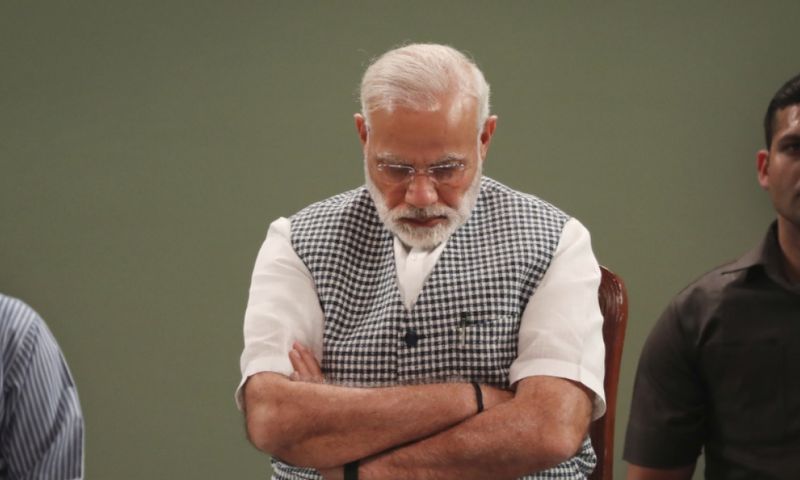



ISLAMABAD: A decade after Indian Prime Minister Narendra Modi vowed to isolate Pakistan internationally, a major report by Al Jazeera has concluded that New Delhi’s strategy has largely failed, with Pakistan emerging as a more influential diplomatic actor while India faces growing challenges in shaping regional and global narratives.
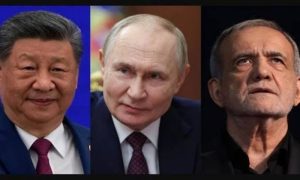
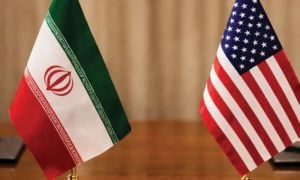
The report argues that instead of being marginalised, Pakistan has strengthened its ties with major world powers and regional players, maintaining active engagement with the United States, China, Gulf countries and Iran simultaneously.
Analysts cited by Al Jazeera describe Islamabad as an increasingly important regional stakeholder capable of influencing outcomes rather than merely reacting to developments.
According to the report, Modi publicly declared in 2016 that India would intensify efforts to isolate Pakistan. However, ten years later, Pakistan remains diplomatically active across multiple global capitals while India’s efforts to sideline its neighbour have yielded limited results.
Pakistan Gains Ground, India Loses Narrative Battle
One of the report’s central findings concerns the 2025 military confrontation between Pakistan and India.
Al Jazeera notes that international analysts believe Pakistan emerged stronger diplomatically during the crisis, while India struggled to convince the wider world of its position regarding the incident that triggered the conflict. The report states that many world capitals were not persuaded by Indian claims and did not openly endorse New Delhi’s military response.
Michael Kugelman, a senior fellow on South Asia at the Atlantic Council, told the media that India’s strategy of isolating Pakistan had “backfired in a big way”. He also argued that Pakistan have won what he described as the “global battle of narratives” during the conflict.
The report further highlights that Pakistan’s military response and diplomatic outreach attracted significant international attention, undermining India’s efforts to portray Islamabad as isolated or weakened.
Trump’s Position Creates Diplomatic Setback for India
The report points to US President Donald Trump’s repeated claims that he brokered the ceasefire between Pakistan and India as another diplomatic setback for New Delhi.
While Pakistan openly acknowledged Washington’s role in facilitating the truce, India rejected any suggestion of third-party mediation. Despite New Delhi’s objections, Trump repeatedly maintained that his administration helped avert a wider conflict between the two nuclear-armed neighbours.
India’s refusal to recognise Trump’s role created friction with Washington at a time when Pakistan was actively rebuilding ties with the United States through cooperation on security, critical minerals and regional diplomacy.
The report notes that Pakistan’s leadership successfully engaged the Trump administration, helping Islamabad regain influence in Washington.
India’s Pakistan Policy Leaves SAARC Paralysed
South Asia’s regional integration became one of the biggest casualties of India’s policy towards Pakistan.
Following New Delhi’s boycott of the 2016 SAARC summit, the region’s premier political forum has remained largely inactive. Analysts quoted in the report contend that India effectively sacrificed SAARC in pursuit of isolating Pakistan, yet failed to achieve its primary objective.
Alternative regional groupings promoted by India have not matched SAARC’s importance, while Pakistan has continued to expand diplomatic and economic engagement across the region.
Pakistan Strengthens Regional and Global Standing
The report highlights improving Pakistan-Bangladesh relations and growing security cooperation between Pakistan and Gulf countries as further evidence that Islamabad is far from isolated.
It also notes that Pakistan’s defence partnership with China received considerable international attention following the 2025 conflict, enhancing the country’s reputation as a capable security partner.
Analysts cited in the report argue that Pakistan is increasingly viewed as a potential provider of regional security rather than merely a recipient of assistance.
At the same time, the report points to criticism of India’s domestic policies towards Muslims, suggesting that concerns raised by international rights groups and reactions from parts of the Muslim world have complicated New Delhi’s diplomatic outreach.
Pakistan, meanwhile, successfully championed global efforts against Islamophobia through forums such as the United Nations and the Organisation of Islamic Cooperation.
Dialogue Seen as the Only Way Forward
The report concludes that even within India there is growing recognition that confrontation alone cannot resolve regional disputes.
Former diplomats, retired military officials and policy experts have increasingly advocated renewed engagement with Pakistan. Analysts argue that attempts to isolate Pakistan have produced diminishing returns while geopolitical realities continue to encourage major powers to engage Islamabad.
A decade after Modi promised to isolate Pakistan, Al Jazeera’s assessment suggests the opposite outcome has emerged: Pakistan has strengthened its diplomatic reach, expanded strategic partnerships and re-established itself as a significant regional actor, while India continues to face questions about the effectiveness of its long-standing isolation strategy.