Key Points
- PCB warned ECB and Sky Sports before the controversial broadcast.
- Sky Sports aired an 18-minute interview during the lunch break.
- PCB says cricket must not become a political campaigning platform.
- ICC rules restrict political statements and activities around cricket.
- Ofcom rules require impartiality on controversial political matters.
- Atherton faces criticism over his previous intervention on Khan’s case.
- PCB urges ICC to protect cricket from political activism.
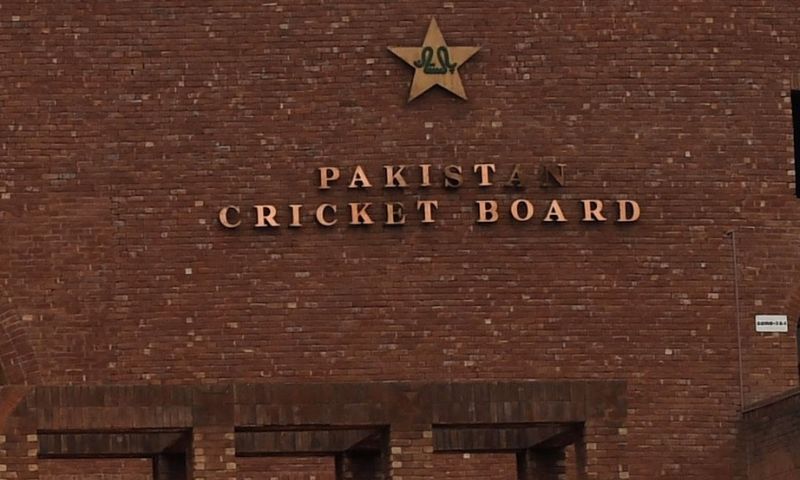
ISLAMABAD: The Pakistan Cricket Board (PCB) has formally complained to Sky Sports after the British broadcaster aired an 18-minute interview with the sons of former Prime Minister Imran Khan during the lunch break of the England-Pakistan Test at Lord’s, accusing the broadcaster of turning an international cricket platform into a vehicle for political campaigning.
The PCB had warned both the England and Wales Cricket Board (ECB) and Sky Sports before the broadcast that the planned segment concerning Khan’s health, imprisonment and ongoing legal case was inappropriate for a live international cricket environment.
Despite the warning, Sky Sports went ahead with the pre-recorded interview with Suleiman and Kasim Khan, prompting the PCB to object to what it considers an attempt to bring a Pakistani political and judicial controversy into an international sporting event.
The board’s position is that Pakistan should not allow its national cricket team, or international cricket generally, to become part of a campaign aimed at creating political pressure around a matter before Pakistan’s courts.
Neutrality rules under fire
The PCB’s objection comes against the backdrop of international cricket’s established restrictions on political activity.
The ICC Code of Conduct contains provisions addressing political statements and activities, while UK broadcasting rules administered by Ofcom require due impartiality in coverage of political controversy and matters of current public policy.
The PCB argues that the decision to schedule and air an 18-minute political segment during a live Test match ran contrary to the spirit of those neutrality principles.
The timing is particularly significant. Rather than being aired as a separate current-affairs programme, the interview was inserted into the lunch-break coverage of an international cricket match involving Pakistan.
For the PCB, this transformed a sporting broadcast into a platform for an issue directly connected with Pakistan’s domestic politics and judicial process.
Atherton faces scrutiny
Michael Atherton’s role in the interview has also come under intense criticism in Pakistan.
Critics argue that Atherton’s previous public support for political intervention in Khan’s case raises serious questions about his neutrality when discussing the former premier during a cricket broadcast.
Atherton, a former England captain and prominent cricket commentator, had previously signed a public letter alongside 21 former captains calling for political intervention over Khan’s situation.
Critics, therefore, contend that his involvement in the interview went beyond conventional sports journalism and amounted to using privileged access to the Lord’s cricket environment to advance a political narrative.
The argument from Pakistan’s side is straightforward: Atherton is a cricket commentator, not a political or human-rights campaigner, and an international Test match should not be used to pursue an agenda connected with Khan’s political campaign or the wider Goldsmith family campaign surrounding his case.
If concerns about Khan are genuinely humanitarian or legal in nature, the appropriate venues, according to the PCB’s position, are legal, humanitarian or public-policy platforms — not the middle of an international cricket broadcast.
Western double standard
The controversy has also raised questions about what Pakistan views as a selective approach to political and humanitarian issues within Western sports media.
If major sporting platforms can be used to highlight humanitarian concerns involving Imran Khan, critics ask why comparable attention has not been given to other major humanitarian crises, including the deaths of Palestinian children in Israeli strikes in Gaza and human-rights concerns in Indian-occupied Kashmir.
The argument is not that humanitarian issues should be ignored, but that international sport should apply the same principle consistently rather than providing exceptional access to particular political campaigns.
Selective use of global sporting platforms, the Pakistani position maintains, undermines the principle that international sport should remain insulated from political activism.
The controversy also fits into a broader campaign surrounding Khan that has moved across Western media and public platforms, portraying Pakistan’s judicial proceedings against him as political persecution and creating an international victimhood narrative around a convicted political leader.
Pakistan rejects that characterisation and maintains that Khan’s cases must be dealt with through the country’s legal system.
Legal process versus campaign
Imran Khan is a convicted prisoner whose legal matters remain before Pakistani courts — not a political exile denied access to the country’s judicial system.
The narrative of his complete isolation has also been challenged by the level of access he has received during his imprisonment, including nearly 500 court appearances, 317 media meetings, 198 meetings, more than 900 visitors and 39 medical examinations, according to figures cited by Pakistani authorities and officials.
The PCB’s position is that a lawful judicial process should not be recast through international cricket broadcasts as grounds for external political pressure.
The board has also challenged claims surrounding Khan’s sons’ alleged inability to visit him in Pakistan, pointing to their Pakistani National Identity Card for Overseas Pakistanis (NICOP) status.
According to the information cited by the PCB, Suleiman Khan Niazi-Goldsmith holds a NICOP (35202-273-22XX-1) valid until January 6, 2030, while Kasim Khan holds one (35202-782-76XX-1) valid until November 8, 2032. As Pakistani citizens holding valid NICOPs, they can enter Pakistan without obtaining a visa.
The implication from the Pakistani side is that if the brothers genuinely wish to visit their father, they have a legal route to do so and do not need an international cricket broadcast to make that case.
The timing of the campaign has also attracted attention in Pakistan, with the international media focus intensifying after an August 18 court decision. Pakistani officials and critics argue that a judicial decision should not be transformed into an international political campaign simply because its outcome is disputed by Khan’s supporters.
The PCB is, therefore, seeking a clear line between cricket and political activism.
It argues that neither Pakistan’s national team nor international cricket should become a vehicle for a campaign against Pakistan’s legal institutions.
The board’s stance is that if Atherton, Sky Sports or other former cricketers believe Khan’s situation constitutes a genuine humanitarian or legal concern, they should raise it through appropriate platforms.
International cricket, the PCB argues, should remain about cricket — not become a stage for political campaigning.
The board is now calling for stronger enforcement of neutrality principles and urging the ICC to establish a clear precedent against the politicisation of international cricket.
It has gone further by demanding action against Atherton, including barring him from official commentary boxes, press rooms and pitch-side broadcasting areas, penalising the ECB for failing to protect match integrity and imposing a five-year ban on Sky Sports from acquiring domestic or international cricket broadcasting rights.