Key Points
- Cruise carried more than 200 passengers, now stranded aboard
- Fuel expenses per cabin have surged from an average of $1,800 to as much as $8,000 a month in parts of Asia
- The operator is exploring financing and restructuring options
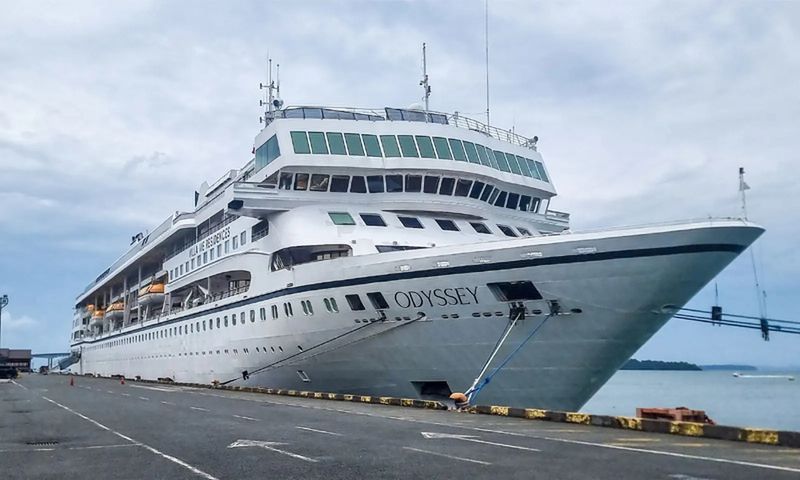
ISLAMABAD: More than 200 passengers aboard a residential cruise ship have been left stranded in Cambodia after soaring fuel costs linked to the US-Iran war forced the operator to suspend its around-the-world voyage.
The Villa Vie Odyssey, operated by US-based Villa Vie Residences, arrived at the Cambodian port of Sihanoukville carrying passengers who had purchased or rented cabins to live aboard the vessel while travelling between destinations.
The suspension has left them in the lurch about accommodation, onward travel and the future of their residential arrangements.
The company said a surge in fuel expenses had made its existing business model financially unsustainable. It is now exploring options to secure fresh capital and restructure its operations.
Fuel costs put cruise business under pressure
Villa Vie Residences said monthly fuel expenses per cabin had risen from a historical average of approximately $1,800 to between $6,000 and $8,000 in parts of Asia.
At the upper end of that range, fuel costs are more than four times their previous average, putting considerable pressure on a business model based on selling or renting cabins for extended periods.
The operator has attempted to limit expenditure by adjusting the ship’s itinerary and spending more time in port. However, these measures have not sufficed to offset the increase in fuel expenses.
The Iran war, which began on February 28, has disrupted energy markets and shipping routes, contributing to higher fuel costs and uncertainty over supplies.
The Strait of Hormuz, a critical route for global oil and liquefied natural gas shipments, has been at the centre of the disruption.
READ ALSO: Oil Prices Fall on US-Iran Peace Hopes
The company said it was considering financing and restructuring options over the coming weeks, but had not secured a final agreement. The outcome of those efforts will determine whether the residential cruise can resume.
Passengers face uncertain future
The suspension has created an unusual predicament for passengers who had chosen to make the vessel their long-term home.
Unlike holidaymakers on conventional cruises, some had invested substantial sums in cabins or entered long-term residential arrangements.
The ship has a maximum capacity of about 650 passengers, although more than 200 were reported aboard when it reached Cambodia.
The company has been working on disembarkation arrangements and temporary accommodation while reviewing its financial position.
For passengers, the immediate questions were where they would stay, how they could continue their journeys and whether their investment in life aboard the ship would stay secure.
The episode highlights the vulnerability of residential cruise businesses to sudden increases in operating costs.
Conventional cruise operators can adjust fares, itineraries and seasonal schedules, but companies offering long-term cabin arrangements may have less flexibility to recover unexpected expenses from customers.
With fuel prices remaining a major concern for international transport operators, the future of the Villa Vie Odyssey will depend on whether its operator can secure financing and develop a viable plan to resume operations.