
Key Points
- Brent crude falls 0.7 per cent to $114.50 a barrel in early trading
- US West Texas Intermediate (WTI) declines 1 per cent to $101.74
- Middle East tensions continue to threaten supplies despite hopes of renewed diplomacy
ISLAMABAD: Oil prices fell on Thursday on hopes of renewed diplomatic efforts between the United States and Iran outweighing concerns about escalating conflict in the Middle East.
Still, the risk of supply disruptions kept crude prices elevated. Brent crude fell 82 cents, or 0.7 per cent, to $114.50 a barrel, while US West Texas Intermediate (WTI) declined $1.04, or 1 per cent, to $101.74 in early trading.
The declines followed gains in the previous session, when Brent rose 1.3 per cent, and WTI advanced about 3 per cent, reflecting renewed concerns over regional security and energy supplies.
US-Iran diplomacy
Market sentiment improved as diplomatic contacts raised hopes of renewed negotiations to end the conflict involving the United States, Israel and Iran.
Qatar has also presented Tehran with a draft proposal to end the war. However, chances of a settlement remain uncertain, and differences between the parties continue to obstruct progress.
Any agreement that reduces the threat of further military action could ease pressure on oil markets by lowering the risk of disruptions to production, exports and shipping.
However, the possibility of renewed hostilities continues to limit the scope for a sustained decline in prices.
Supply risks top concern
Attacks and security incidents across the region have reinforced concerns about the vulnerability of energy infrastructure and shipping routes.
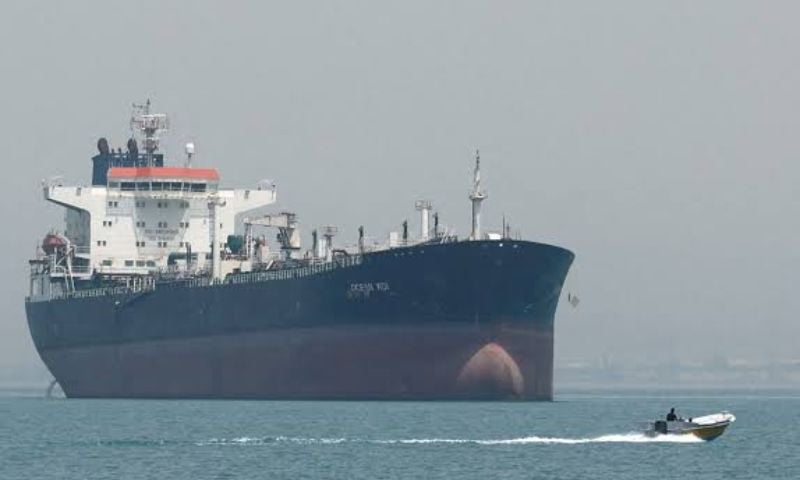
The Strait of Hormuz remains a major concern because it carries a substantial share of global oil shipments. Any prolonged disruption to tanker traffic through the waterway could tighten supplies, increase transportation costs and push prices higher.
READ ALSO: Pakistan Hikes Petrol Price by Rs1.85 Per Litre, Diesel by Rs1.75 Per Litre
The market is therefore balancing the prospect of diplomatic progress against the possibility of further escalation.
Lowering geopolitical tensions could remove some of the premium built into crude prices, while additional attacks could reverse recent declines.
Oil inventories provide mixed signals
US crude inventories fell by 1.9 million barrels to 410.6 million barrels in the week ended October 23, according to the US Energy Information Administration.
The decline marked the fourth consecutive weekly reduction and supported the view that available crude supplies remain relatively tight.

Stocks at Cushing, Oklahoma, the delivery hub for WTI crude, also declined by 624,000 barrels.
However, gasoline inventories rose by 3.9 million barrels to 209.2 million barrels, while distillate stocks, including diesel and heating oil, fell by 1.5 million barrels to 102.8 million barrels.
Divergent inventories point to differing supply and demand conditions across crude oil and refined products.
For oil-importing countries such as Pakistan, sustained crude prices above $100 a barrel could increase import costs, pressure foreign exchange reserves and complicate efforts to contain inflation.
Oil prices are likely to remain sensitive to developments in US-Iran diplomacy, security conditions around major export routes and fresh inventory data.
Until the threat of supply disruption diminishes, any relief from diplomatic progress may prove temporary.