NEW YORK: The United Nations has warned that Afghanistan’s human rights situation is deteriorating under Taliban rule, with restrictions on women and girls and a growing humanitarian crisis threatening the country’s future.
Bruno Lemarquis, the Deputy Special Representative of the UN Secretary-General for Afghanistan and Humanitarian Coordinator, said that the country is at a “difficult crossroads” five years after the Taliban returned to power.
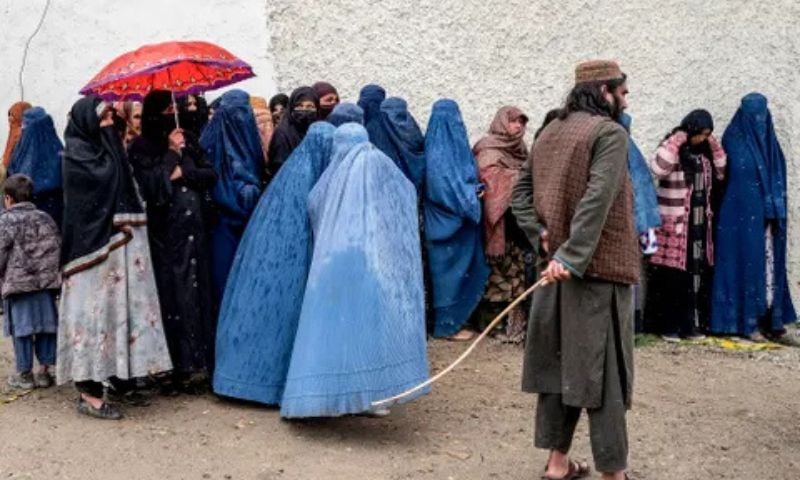
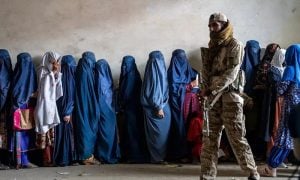
Speaking at a briefing in New York, Lemarquis said the Taliban’s restrictions on women and girls had severely limited their access to education, employment, public services and participation in social life.
He said the Taliban’s continued restrictions on the fundamental rights of women and girls had further deepened Afghanistan’s international isolation.
The UN Deputy Special Representative added that the ban on Afghan female employees entering UN premises, imposed in September 2025, remained in place and had also affected the organisation’s operations.
Lemarquis said that Afghanistan continue to face serious economic, human rights and humanitarian challenges that threaten its future.
He said more than 2.6 million girls have been denied access to secondary education since 2021, while female university enrolment has fallen to zero. Economic difficulties have also forced some families to stop sending their children to school.
Lemarquis also raised concerns over a 330 percent increase in opium poppy production in 2025, citing a recent UN report.
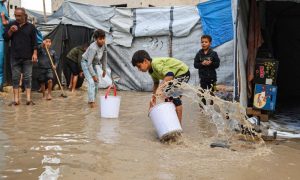
He warned that humanitarian needs are expected to rise sharply in 2027 due to mass returns and the effects of a stronger El Niño weather pattern. Meanwhile, humanitarian funding has dropped from $2 billion in 2023 to $1 billion in 2025 and just $570 million so far in 2026, he said.
Lemarquis said around 700 of Afghanistan’s 1,900 primary healthcare facilities are expected to close between 2025 and 2026 due to funding shortages, about 40 percent of the total facilities operating across the country.
The UN Deputy Special Representative also cautioned that rising poverty, weak public services and failures to reintegrate returnees could have consequences beyond Afghanistan’s borders, affecting security, regional stability and migration patterns.