
QUETTA: Pakistan and the United States have marked the completion of a landmark cultural preservation project at Balochistan’s Mehrgarh Museum, paving the way for the renewed display of artefacts from one of South Asia’s oldest known ancient civilisations.
Preserving 8,000 years of history! U.S. Chargé d’Affaires Natalie Baker and Balochistan officials mark the completion of the Mehrgarh Museum preservation project, strengthening Pakistan-U.S. cultural ties.
@usembislamabad
#Mehrgarh #Balochistan #CulturalHeritage https://t.co/bzhbmG7izw
— Global News Pakistan (@GNPPakistan) November 7, 2026
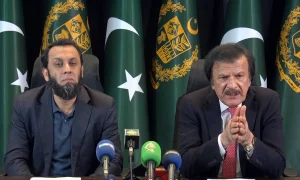
US Chargé d’Affaires Natalie Baker joined Balochistan Parliamentary Secretary Nawabzada Mir Muhammad Zarain Khan Magsi and representatives of the Sindh Exploration and Adventure Society (SEAS) to celebrate the successful completion of the project, funded through the US Ambassadors Fund for Cultural Preservation (AFCP).
Read Also: Pakistan Inaugurates Shah Allah Ditta Buddha Caves Preservation Project in Islamabad
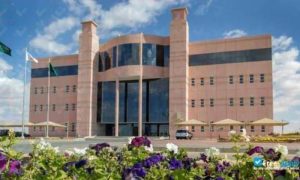
The initiative is the first-ever AFCP project in Balochistan and was implemented in partnership with SEAS and the Balochistan Culture Department. A commemorative plaque was unveiled at the museum entrance by Baker, Magsi and project leads Dr Asma Ibrahim and Dr Kaleemullah Lashari ahead of its official reopening later this month.
US-Pakistan partnership in heritage preservation
Speaking at the ceremony, Baker said the project would enable the Mehrgarh Museum to showcase the 8,000-year-old Mehrgarh civilisation alongside other archaeological heritage.
She said American expertise in museum development and heritage preservation could produce lasting results by protecting history, creating employment opportunities and strengthening local communities.
Read Also: Japanese Monk Calls for Global Buddhist Prayer at Pakistan’s Ancient Stupa to Heal a Divided World
The US diplomat also highlighted the broader cultural partnership between the two countries, noting that the AFCP programme now has a footprint across all four provinces of Pakistan.
Commendable efforts by the United States to preserve and promote Pakistan’s ancient Mehrgarh civilization. 🇺🇸🇵🇰Through its Ambassadors Fund for Cultural Preservation, the U.S. has helped preserve 8,000 year old archaeological artifacts, upgrade the Mehrgarh Museum to international standards, and train local heritage professionals.
A remarkable initiative to protect Pakistan’s rich history, celebrate its ancient civilization and bring this priceless cultural heritage to the world.
#Mehrgarh #CulturalHeritage #Pakistan #USPakistanRelations #USEmbassyIslamabad #USinPakistan #USUAE #UAE #HeritagePreservation #AncientCivilization— Sadia Abbasi (@SadiaAbbasii) November 7, 2026
Key features of the Mehrgarh Museum Project
The project focused on strengthening the museum’s ability to preserve and present Balochistan’s archaeological heritage. Its major achievements include:
- Preservation of ancient artefacts: Conservation of Neolithic and other archaeological objects associated with the Mehrgarh civilisation.
- Modern museum standards: Upgrading collection management and curatorial practices to international standards.
- Professional training: Training local heritage specialists to ensure the long-term care and preservation of museum collections.
- Community outreach: Expanding public engagement to raise awareness about the region’s archaeological and cultural significance.
- International cooperation: Bringing American museum and heritage preservation expertise to Balochistan through the first AFCP initiative in the province.
The museum’s reopening is expected to provide visitors with an opportunity to explore the region’s ancient past and learn about the development of early human settlements in South Asia.
Mehrgarh: A window into South Asia’s ancient past
Mehrgarh, located in Pakistan’s Balochistan province, is one of the most significant Neolithic archaeological sites in South Asia. Situated in the Kachi Plain near the Bolan Pass, the ancient settlement dates back to around the seventh millennium BC, making it approximately 8,000 to 9,000 years old.
Read Also: Japan’s $0.31m Investment Upgrades Conservation at Pakistan’s Taxila Museum
Excavations at Mehrgarh have uncovered evidence of some of the earliest farming and animal domestication practices in the region, including the cultivation of wheat and barley and the herding of cattle, sheep and goats.
The remains of mud-brick houses, storage facilities, pottery, tools, ornaments and burial sites offer valuable insights into the lives, skills and social practices of early communities in present-day Pakistan.
Read Also: Pakistan’s Sacred Heritage: A Tourism Goldmine Waiting to Be Tapped
The site’s archaeological record extends from the Neolithic period into the Chalcolithic era, documenting the gradual development of settled communities, agriculture, crafts and trade in the territory that is now Pakistan. Its discoveries have helped researchers understand the cultural foundations that preceded the emergence of the Indus Valley Civilisation, including the later urban centres of Mohenjo-daro and Harappa.
Mehrgarh was added to UNESCO’s Tentative List of World Heritage Sites in 2004 in recognition of its archaeological and historical significance, placing Pakistan’s ancient heritage on the international conservation map.