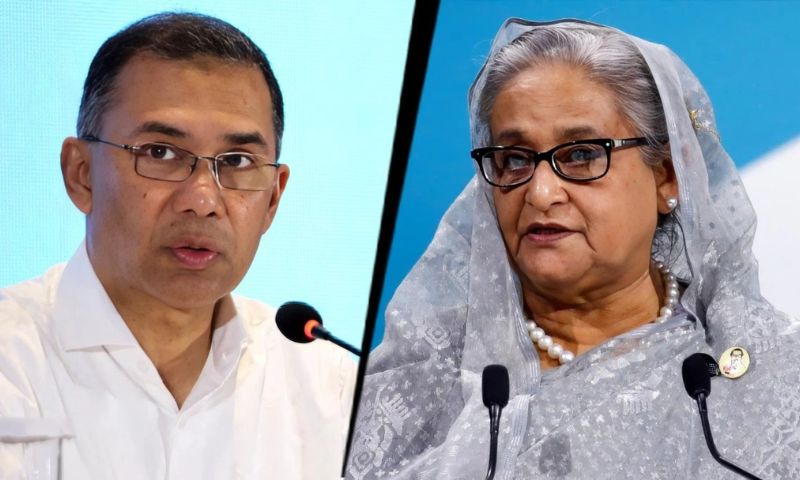
DHAKA: Bangladesh has expressed outrage over India’s decision to allow ousted Prime Minister Sheikh Hasina to engage in a live interaction with the media in New Delhi during which she and her associates launched a strongly worded attack against the state of Bangladesh and its people.
“Dhaka deeply regrets that in spite of concerns conveyed a priori to the Government of India about the likely ramifications of this event on the reset of our bilateral relations, this public event was permitted to be held,” the Foreign Ministry said in a statement.
It added that when the people of Bangladesh were observing the second anniversary of the July Revolution, this interaction by Sheikh Hasina on Indian soil stands as an affront to the sovereignty of Bangladesh and a grievous insult to the martyrs of the July Revolution.
“The denial of facts established by the United Nations, including the gruesome killing of innocent civilians, including minor children, during July-August 2024 by the fascist regime, stands as a futile attempt by the absconding convicted mass murderer Hasina and her criminal cohort to reverse the tide of history,” it said.
The ministry said the people of the country have rejected such heinous attempts in the past and remain firmly opposed to them today.
It further said that, upholding the spirit of the July Revolution, the people have resolved that Dhaka will never return to the dark days of authoritarianism and will never become a client state.
Bangladesh is outraged that the absconding convicted genocider Sheikh Hasina was allowed this evening to engage in live interaction with the media in New Delhi where she and her henchmen launched venomous vitriol against the State of Bangladesh and her people.
Dhaka deeply… pic.twitter.com/7BDnAxk5N8
— Ministry of Foreign Affairs (@BDMOFA) August 5, 2026
“Convicted mass murderer Hasina and her mafia enterprise will never have a place in the polity of Bangladesh,” the statement said.
Dhaka remains committed to maintaining a constructive, mutually beneficial and forward-looking relationship with New Delhi based on sovereign equality, mutual respect, non-interference in each other’s internal affairs and respect for national dignity.
Regrettably, repeated requests by Bangladesh to the Government of India for the return of convicted criminal Hasina under the Extradition Treaty signed between the two countries in 2013 have yet to receive a response, the statement regretted.
“On the contrary, allowing her the opportunity to openly interact with the media under any pretext is deeply hurtful to our people’s sentiment and detrimental to the development of harmonious bilateral relations between Bangladesh and India, the statement concluded.
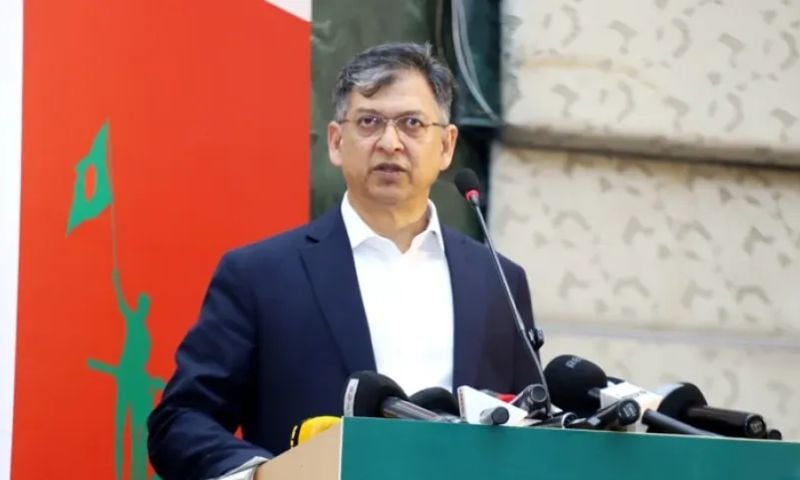
Bangladesh Home Minister warns India
Earlier, the country’s Home Minister Salahuddin Ahmed warned India that allowing ousted Prime Minister Sheikh Hasina to make political statements and address international media from Indian soil is inconsistent with New Delhi’s stated desire for friendly relations with Dhaka.
“You will play the Hasina card while seeking a friendly relationship with Bangladesh. Those two things are contradictory,” Salahuddin said at a discussion at Dhaka University marking the second anniversary of the July 2025 mass uprising.
Also Read: Bangladesh Warns India Over Hasina’s Political Statements
The minister said Dhaka recognised its relationship with New Delhi as one of interdependence and wanted friendly ties with its neighbour, but insisted that relations must be based on mutual dignity, respect, sovereignty and equality.
“We want to maintain friendly relations with you. But we will never become Awami League,” he said, referring to Hasina’s Awami League party.
Salahuddin said his country accepted Indian External Affairs Ministry spokesperson Randhir Jaiswal’s statement that New Delhi did not endorse anything from Hasina at the press conference.
However, he criticised India for repeatedly allowing Hasina, whom Dhaka considers responsible for “fascism, mass killings and crimes against humanity”, to speak to international media from the country.
Salahuddin also rejected comparisons between Hasina’s political activities in India and Bangladesh Nationalist Party Chairman Tarique Rahman while he was in exile in London.
He argued that Rahman and other opposition figures had fought for democracy and were forced into exile. On the other hand, Hasina was being accused of crimes committed during her rule.