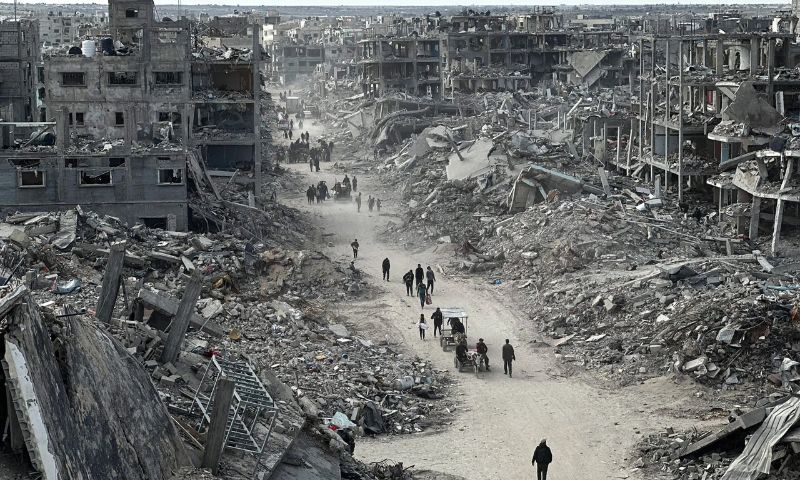
GAZA CITY: For the first time in two years, the skies above Gaza are quiet. Following a landmark ceasefire signed on October 13, 2025, the focus has shifted from survival to recovery. The agreement, part of a U.S.-brokered 20-point peace plan, ended months of relentless bombardment that had turned the enclave into rubble.
Under the terms of the deal, Hamas released the remaining 20 living Israeli hostages in exchange for nearly 2,000 Palestinian prisoners and detainees held by Israel. The ceasefire, which took effect on October 10, was endorsed at a high-profile summit in Sharm el-Sheikh, attended by U.S. President Donald Trump and guarantors from Egypt, Qatar, and Turkey.
But the relief is fragile. After years of siege and war, Gaza now faces an unprecedented humanitarian catastrophe.
Humanitarian Crisis and Reconstruction Challenge
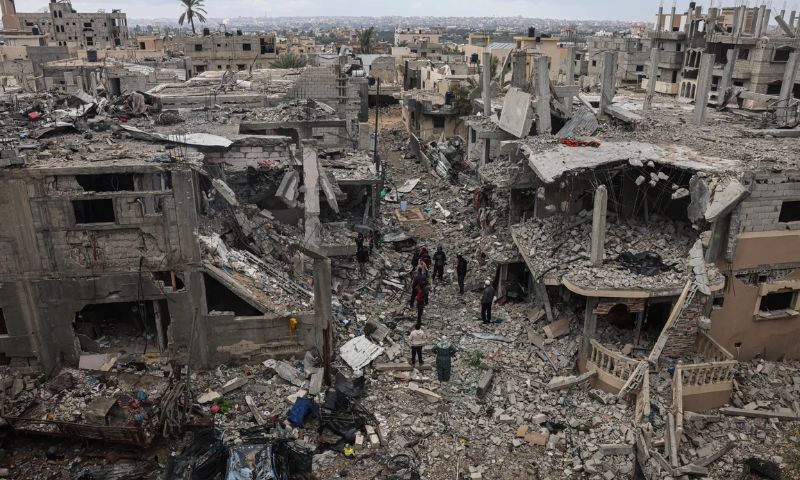
Across Gaza, families are returning to the skeletal remains of their homes. Streets once filled with life now echo with the sound of bulldozers clearing debris. Markets are unable to reopen amid ruins, though some small shops are selling bread baked in makeshift ovens. Yet, survival remains the biggest challenge.
According to UN estimates, more than 90% of Gaza’s homes have been damaged or destroyed, leaving millions displaced. The reconstruction bill is projected to exceed $53 billion. Humanitarian organizations, including the UN and International Rescue Committee (IRC), are preparing large-scale aid operations, but delivery remains difficult due to destroyed infrastructure and past blockades.
Gaza’s health system has collapsed. Hospitals operate in tents or damaged buildings with little electricity. Food insecurity persists, following a famine declaration in August 2025. Though aid convoys are now entering through Rafah and Kerem Shalom crossings, the suspension of aid caused widespread malnutrition and death. Looting of supplies by armed groups remains a concern.
Children bear the deepest scars. Psychologists say trauma levels among Gaza’s young have reached unprecedented highs, with thousands showing symptoms of post-traumatic stress after witnessing death, loss, and displacement.
Who Will Rebuild Gaza — and Deliver Justice?
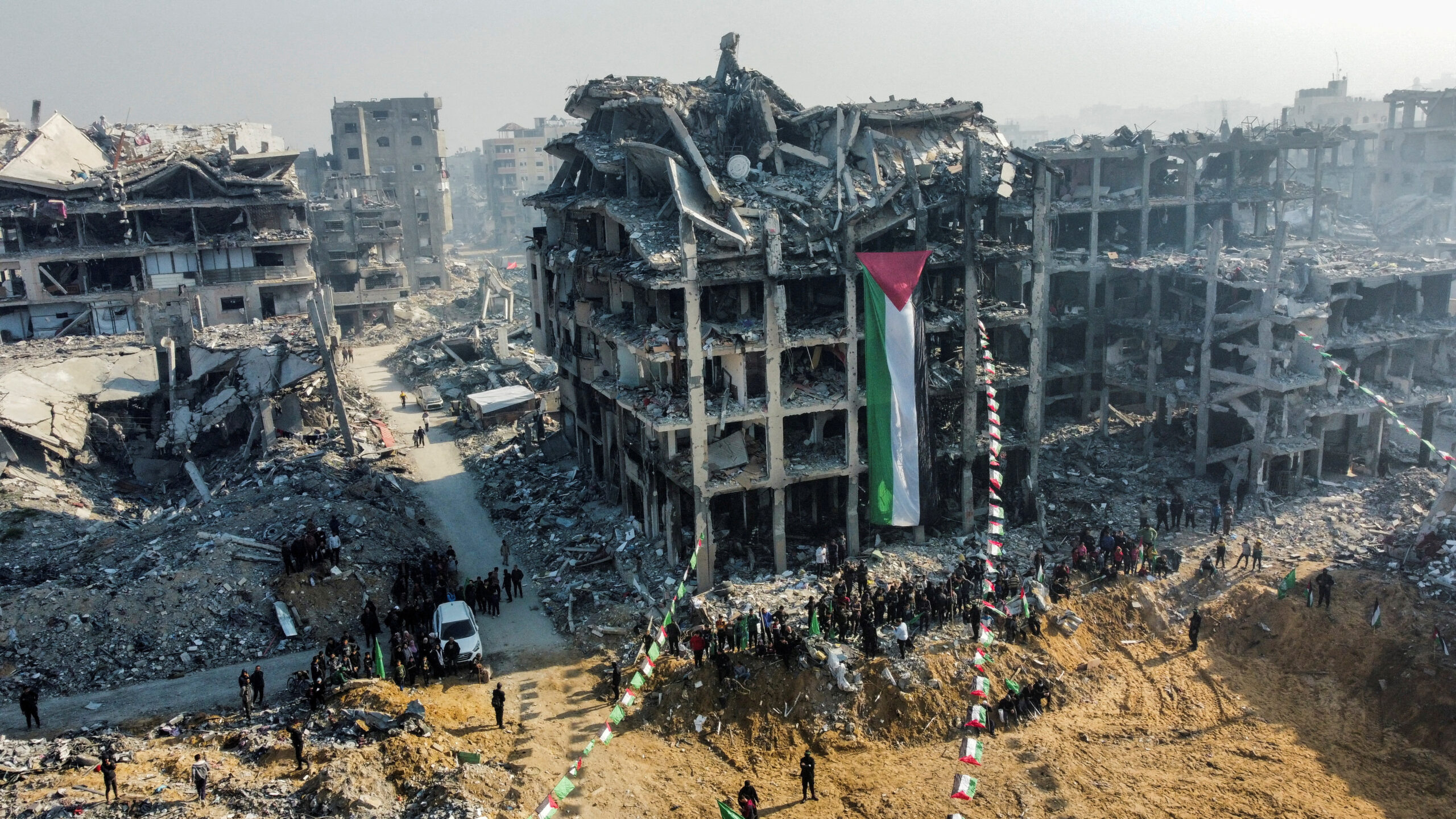
While diplomats praise the ceasefire as “historic,” many Gazans question who will rebuild their lives — and who will answer for the immense loss. Israel’s years-long military campaign killed more than 67,000 civilians, mostly women and children, according to Gaza’s health authorities. Entire neighborhoods like Shujaiya and Jabalia lie flattened.
“Peace without justice is meaningless,” said 42-year-old Umm Mahmoud, standing beside the rubble of her destroyed home in Khan Younis. “They took everything — my house, my children. Who will give them back to me?”
The question of accountability remains unanswered. No international tribunal has yet moved to investigate alleged war crimes or the disproportionate use of force. Rights groups say the global silence on Gaza’s civilian toll continues to deepen anger and mistrust.
Unresolved Political Questions
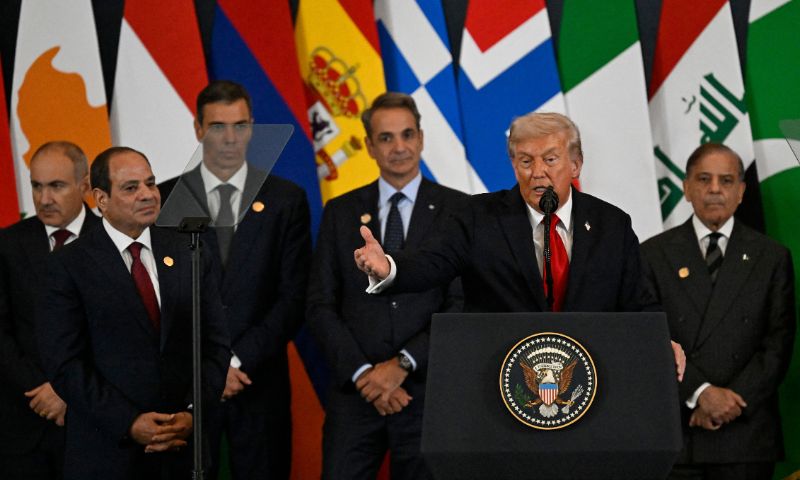
Beyond the humanitarian disaster, major political hurdles threaten to unravel the peace process. The next phases of the U.S. peace plan are expected to tackle governance, disarmament, and statehood — all deeply divisive issues.
Washington has proposed an international administration to oversee Gaza’s reconstruction under Palestinian technocrats. Hamas has rejected this, calling it “foreign control.” Israel insists on Hamas’s complete disarmament, while Hamas says it will only lay down arms after a sovereign Palestinian state is recognized.
Prime Minister Benjamin Netanyahu has opposed any reference to Palestinian statehood and resists the return of the Palestinian Authority to Gaza. The ambiguity surrounding Israel’s troop withdrawal timeline adds to the uncertainty.
The Road Ahead

U.S. President Trump confirmed that talks for Phase 2 of the peace plan have begun, but diplomats warn that progress will be slow. A reconstruction conference is expected in the coming weeks to mobilize international funding. Meanwhile, search operations continue for the remains of deceased Israeli hostages.
For ordinary Gazans, however, the priorities are immediate — food, shelter, medicine, and dignity. As children play near the ruins of a bombed school in Rafah, a mural painted on a surviving wall reads: “We are still here.”
It’s a simple message — one that defines Gaza’s struggle and resilience after yet another war it did not start, and a peace whose promises remain painfully uncertain.