
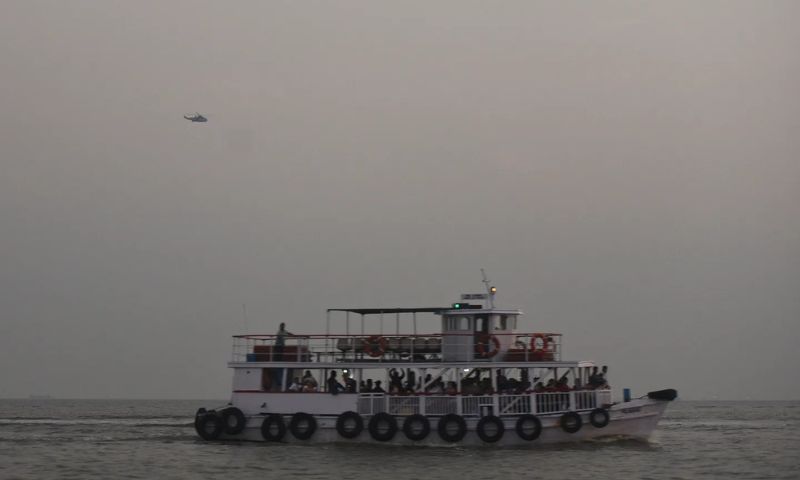
NEW DELHI: The boat overturned late on Tuesday in Vaishali district while carrying an estimated 15 to 20 people travelling to a community feast and festival in a neighbouring village, local authorities said.
District Magistrate Varsha Singh told reporters that 13 bodies had been recovered from the river. Officials initially reported that six or seven passengers were rescued alive, while they continued efforts to establish the exact number of people aboard.
According to the Vaishali district administration and local police, all 13 people recovered dead so far were children aged 15 or younger.
Rescuers pulled survivors from the water and took them to hospital. Search operations remained underway for any passengers still missing.
Indian Prime Minister Narendra Modi described the incident as “deeply painful” and announced compensation for the victims’ families.
“My thoughts are with the bereaved families in this difficult time. I pray for the speedy recovery of all those injured. The local administration is assisting those affected,” Modi wrote on X.
Bihar Chief Minister Samrat Choudhary also expressed grief over the incident in Raghoopur, Vaishali district.
“The news of the innocent lives lost in the boat accident in Raghoopur, Vaishali, is extremely heartbreaking and soul-wrenching,” Choudhary wrote on X, offering condolences to the bereaved families and praying for strength for those affected.
Recurring boat capsizing incidents in India are often linked to systemic safety failures, weak enforcement and economic pressures rather than unavoidable natural events.
Common problems include overloading boats beyond their safe capacity, the absence of life jackets, poorly maintained vessels and inadequate safety checks.
In rural areas, limited transport alternatives and high demand during festivals can force passengers to rely on small boats, increasing the risks.
Weak regulation and a lack of accountability also contribute to the repeated tragedies. Many boat operators lack proper training in navigation and emergency response, while some continue operating despite adverse weather conditions or dangerous river currents.
Without strict inspections, effective enforcement of passenger limits and the provision of basic safety equipment, preventable accidents continue to claim lives, including those of children.