Key Points
- Brent crude rises 0.6 per cent to $105.91 a barrel
- US West Texas Intermediate gains 0.8 per cent to $93.32
- Hormuz shipping remains disrupted despite regional exports recovery
ISLAMABAD: Oil prices rose for a second straight session on Tuesday as persistent concerns about Middle East supply disruptions outweighed signs of recovery in the region’s crude exports.
Brent crude futures rose 63 cents, or 0.6 per cent, to $105.91 a barrel, while US West Texas Intermediate (WTI) crude gained 72 cents, or 0.8 per cent, to $93.32 a barrel by 0002 GMT.
The market remains focused on the US-Iran conflict and the future of shipping through the Strait of Hormuz, a vital route for global oil and gas supplies.
Continued uncertainty over the waterway is keeping a geopolitical risk premium in crude prices even as some Gulf exports recover.
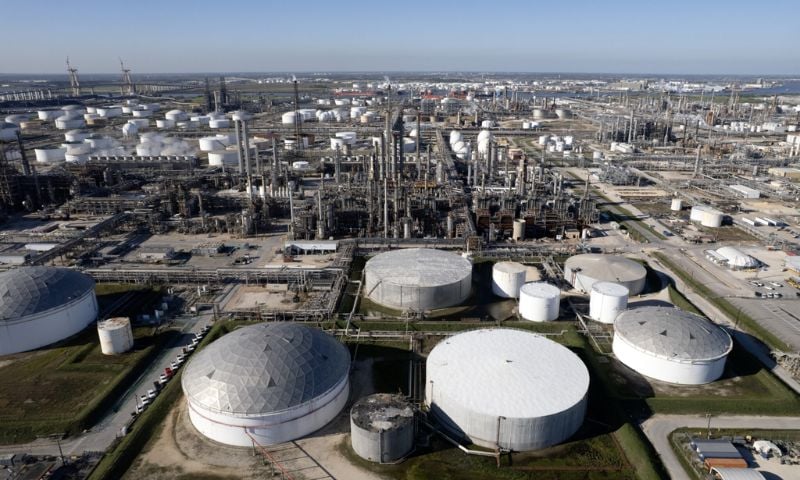
Saudi Arabia and the United Arab Emirates increased crude exports in September, helping regional shipments reach about 12.8 million barrels per day.
However, flows through Hormuz remain below pre-conflict levels, and some shipments rely on less efficient arrangements such as ship-to-ship transfers.
Earlier, Oil prices jumped sharply on Monday after US President Donald Trump rejected an Iranian proposal to reopen the Strait of Hormuz and resume peace talks. Brent briefly moved above $106 before settling at $105.28 a barrel, while WTI settled at $92.60.
READ ALSO: Oil Prices Jump After Trump Rejects Iranian Peace Proposal
The latest price movement reflects the market’s sensitivity to developments around the conflict. Hopes for diplomatic progress had pushed prices lower earlier in September, while renewed concerns over the security of energy shipments have repeatedly driven them higher.
Oil volatile over US-Iran conflict
The US-Iran conflict, which began in February, has disrupted energy flows and kept the Strait of Hormuz at the centre of global oil-market concerns.
Mediators, chiefly Pakistan and Qatar, have continued efforts to bring Washington and Tehran back towards an agreement. However, major differences remain over sanctions, Iran’s nuclear programme and the reopening of the waterway.
The prolonged disruption is also complicating the outlook for inflation and interest rates because higher crude prices can increase transport, manufacturing and household energy costs.
Global financial markets have already reacted to the increased sensitivity to the latest oil-price gains.
Oil prices remain well above pre-conflict levels, with the market direction depending upon two competing developments: whether Gulf supply routes can operate more normally and whether US-Iran diplomacy can reduce the risk surrounding Hormuz.