
Key points
- Brent reaches highest level since late July
- Hormuz shipping remains sharply below normal
- US crude inventories rise, limiting price gains
ISLAMABAD: Oil prices hovered near $92 a barrel on Thursday as investors were wary of the prolonged US-Iran conflict and uncertainty about shipping through the Strait of Hormuz, keeping a geopolitical risk premium in crude markets.
Brent crude futures for October delivery rose 25 cents, or 0.3 per cent, to $91.87 a barrel. Unlike Brent, US West Texas Intermediate (WTI) crude for September slipped two cents to $85.81.
However, the more active October WTI contract gained 14 cents to $84.53. Both benchmarks have risen for four consecutive sessions and settled on Wednesday at their highest levels since July 24.
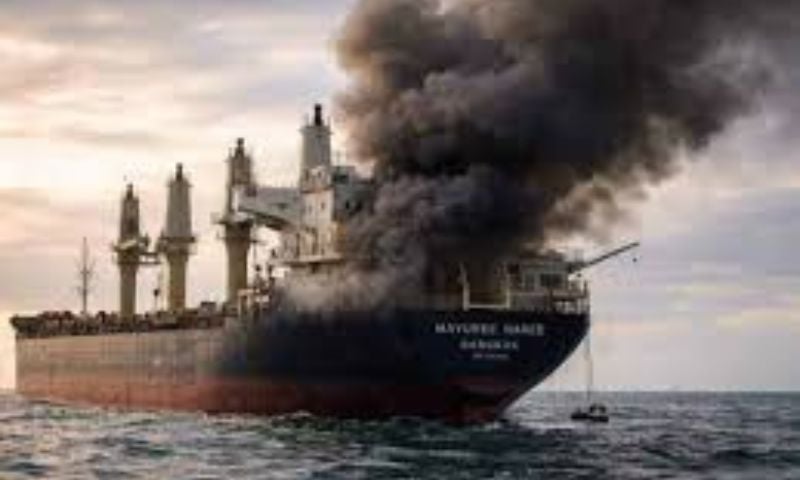
The latest gains coincides shipping through the Strait of Hormuz remains severely constrained. Kpler data showed nine commodity vessels transited the Strait of Hormuz on Wednesday, after traffic fell to six on Tuesday from nine on Monday. The figure is still below a recent average of 11 daily transits, and much lower than the pre-war average.
The strait normally carries about 20 per cent of global crude oil and liquefied natural gas shipments. The United States says the waterway remains open, but Iran maintains that it is closed, leaving many shipowners reluctant to send vessels through the route.
The market received some relief from US inventory data. US crude stocks unexpectedly increased by 4.4 million barrels to 428.8 million barrels last week. According to the Energy Information Administration, the fresh increase would be countering some concerns about an immediate global supply shortage.
READ ALSO: Stalled Iran-US talks keep oil prices high, Hormuz shipping slow
However, the lack of progress toward resolving the US-Iran confrontation continues to underpin prices. The UAE has also suspended economic and financial dealings with Iran. The UAE embargo against Iran has added to concerns that regional tensions could further complicate efforts to restore normal shipping through Hormuz.
For global energy markets, the key risk remains whether the disruption becomes prolonged enough to translate into sustained physical supply losses. A significant reopening of the waterway could quickly ease prices, but continued restrictions could push crude towards the $100-a-barrel threshold.
Oil markets have undergone a dramatic transformation over the past six months, moving from relatively subdued prices to one of the most volatile periods in years as the US-Iran conflict repeatedly reshaped expectations for global supply.
Oil swings in 2026
Brent began 2026 largely in the $60s. It averaged about $66.60 a barrel in January, with prices supported by geopolitical uncertainty but restrained by expectations of ample supply.
That calm began to unravel in February as tensions between Washington and Tehran intensified. Brent climbed above $70 and reached $71.66 on Feb. 19 as traders increasingly feared a disruption to Middle East supplies.
The outbreak of war at the end of February triggered the first major price shock. Brent surged above $80 in early March, with the market rapidly pricing in the possibility of a wider supply crisis. At one point, analysts warned that crude could reach $200 if the conflict severely disrupted exports.
Prices then swung sharply in the opposite direction as diplomatic efforts and hopes of a ceasefire emerged. By May, expectations of a US-Iran agreement drove Brent lower, with prices falling sharply as traders anticipated the restoration of oil flows and easing geopolitical risk.
Oil rebounded as those hopes faded and disruptions persisted. By late July, Brent had climbed back above $90, recording its biggest monthly gain since March as concerns over crude shipments through Hormuz intensified.
The volatility has continued into August. Brent briefly fell below $80 on hopes that the strait could reopen, only to recover above $90 as those expectations weakened.
The result is an oil market that has swung from the mid-$60s to above $90 within months. With Hormuz flows still severely constrained, traders are now increasingly treating geopolitical disruption as a persistent feature of the market rather than a temporary shock.