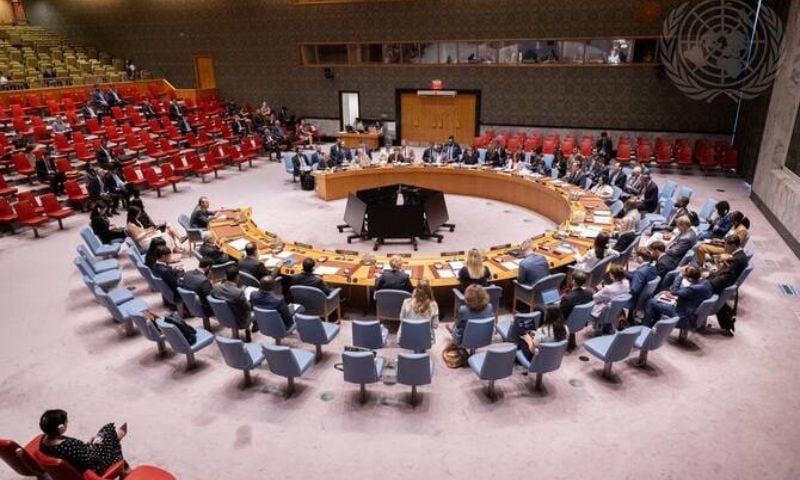



NEW YORK: The United Nations Security Council has expressed strong support for Saudi Arabia and condemned Iran’s backing of Houthi militants, following renewed attacks and escalating tensions in and around Yemen.
The emergency session of the council was convened on Monday after the Houthis ended their period of de-escalation with Riyadh and launched ballistic missiles towards Saudi Arabia, which were intercepted before causing damage.
The meeting was requested by Yemen’s Prime Minister Shaya Mohsen Al-Zindani in a letter dated July 7, with backing from Bahrain and the United Kingdom, which serves as the Security Council’s lead member on Yemen affairs.
The discussions centred on allegations that Iran had violated Yemen’s sovereignty by operating flights to Yemeni airports without approval from the internationally recognised government.
A flight from Tehran landed at Sanaa International Airport on July 3 and later returned to Iran, reportedly carrying Houthi officials attending the funeral of Iran’s former supreme leader Ali Khamenei. Yemen’s government objected to the flight, calling it a breach of its airspace and sovereignty.
A second Iranian aircraft carrying a Houthi delegation arrived at Hodeidah Airport on Monday, shortly after reported airstrikes targeted the runway at Sanaa airport. Yemeni officials said the strikes were aimed at preventing the aircraft from landing.
UN urges political solution
Briefing the council, Khaled Khiari, the UN assistant secretary-general for the Middle East, said the latest developments highlighted the need for an inclusive, Yemeni-led political process.
“There is no alternative to an inclusive, Yemeni-owned political process,” Khiari said, warning that unilateral actions would deepen divisions and move the country further away from peace.
He stressed that continued escalation risked worsening Yemen’s humanitarian crisis, where millions remain dependent on international aid.
US accuses Iran of supporting Houthis
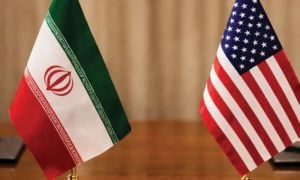
US Ambassador Tammy Bruce delivered the strongest criticism of Tehran, accusing Iran of using the July 3 flight to transport Islamic Revolutionary Guard Corps (IRGC) personnel, including drone and missile specialists, to support Houthi operations.
She said the movement of personnel and equipment represented a violation of UN Security Council Resolution 2216.
Bruce also criticised the second Iranian flight, saying it went ahead despite warnings from Yemen’s government, describing the move as unacceptable.
She linked the Yemen situation to wider regional tensions, citing recent missile and drone attacks on commercial shipping in the Strait of Hormuz and strikes affecting several Gulf countries, including Qatar, Bahrain, Kuwait, Oman and the UAE.
The US envoy warned that Washington would respond militarily if Iran continued targeting maritime trade routes and reaffirmed support for Yemen’s government against what she called an Iranian-backed Houthi threat.
UK, France voice support for Riyadh
UK Ambassador Kate Foster condemned Houthi missile attacks against Saudi Arabia, calling them “reckless and unacceptable”, while expressing London’s full solidarity with Riyadh.
She said unauthorised Iranian flights represented a violation of Yemen’s sovereignty and called for a UN investigation into reports of military personnel or equipment being transported.
France also criticised Tehran’s actions, with Ambassador Jerome Bonnafont accusing Iran of undermining Yemen’s legitimate authorities and breaching international law.
He said the flights were part of a broader pattern of destabilising activities by Iran and called on Tehran to stop all military support to the Houthis.
Russia calls for dialogue
Russia took a different position, describing the July 3 Iranian flight as “strictly humanitarian” and noting that it caused no casualties or material damage.
However, Moscow acknowledged that the flight had contributed to rising tensions and called for renewed UN-led mediation involving regional countries, including Saudi Arabia and Iran. Russia also urged the lifting of restrictions on Yemen’s air, sea and land access.
Humanitarian crisis deepens
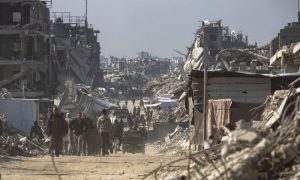
The UN warned that Yemen’s humanitarian situation remains critical, with more than 18 million people facing hunger and hundreds of health facilities shutting down over the past year due to severe funding shortages.
Officials cautioned that further regional escalation could push Yemen deeper into crisis and worsen conditions for millions of civilians already affected by years of conflict.
The Security Council meeting ended with renewed calls for restraint, diplomacy and a political settlement to prevent further instability in Yemen and the wider Middle East.