
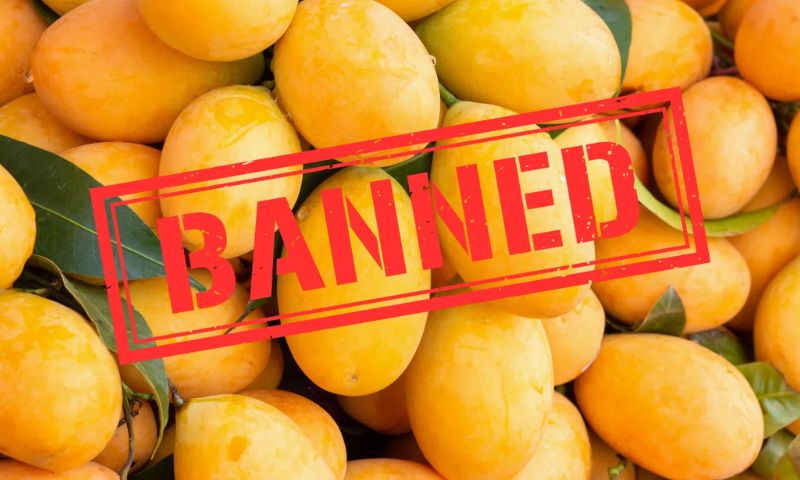
NEW DELHI: India’s mango export industry is facing increased scrutiny after Japan and Nepal suspended imports of Indian mangoes and other fruits over concerns related to pesticide residue levels and food safety standards.
Japan, one of the premium markets for Indian mangoes, halted fresh mango imports after shipments from India failed pest-control inspections, according to reports.
The move has raised concerns among exporters as India is the world’s largest mango producer and relies on international markets for high-value varieties.
The restrictions reportedly followed inspections that found issues related to quarantine compliance and pesticide residue levels in imported consignments.
Japanese authorities have strict agricultural safety requirements, particularly regarding the presence of pests and chemical residues in fresh produce.
Nepal also joined Japan in restricting imports of Indian mangoes and other fruits after border quarantine officials reportedly detected pesticide levels above permissible limits in some consignments.
According to local media reports, Nepal’s authorities introduced the measures following concerns raised by inspectors at border points.
Although Nepal is not among India’s largest mango export destinations, the decision could affect traders dealing in premium varieties and add to concerns about India’s compliance with international food safety regulations.
India has a significant share of the global mango market, exporting varieties such as Alphonso, Kesar and Dashehari to several countries.
Exporters have often faced challenges in meeting stringent overseas standards related to pesticide use, packaging, traceability and pest management.
Industry experts say the latest restrictions highlight the need for stronger monitoring of agricultural practices, improved testing facilities and greater awareness among farmers about international export requirements.
The bans by Japan and Nepal could put additional pressure on Indian exporters to strengthen quality-control measures and ensure that shipments meet the safety standards required by global markets.