


When I was in school some 18 or 19 years ago, my late grandfather used to pick me up. He used to give me a shiny 2-rupee coin. Back then, those 2 rupees felt like a small fortune. I would happily run to the neighborhood grocery store and come back with a handful of candies, lollipops, and jellies.
Fast forward to today. If a child walks into that same store and hands the shopkeeper a 2-rupee coin, they will likely be laughed out of the shop. Today, 2 rupees cannot even buy a single, tiny candy. The candy didn’t get any bigger; in fact, it probably shrank.
What changed is inflation – the slow, silent erosion of our money’s purchasing power.
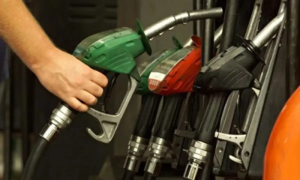
Lately, that slow erosion has turned into a financial wildfire. Between skyrocketing electricity bills, soaring grocery prices, and the global fallout of the US-Iran war pushing oil prices to terrifying new heights, every ordinary Pakistani is left asking the same question: Why is everything getting so expensive, and when will it stop?
Let’s break down the hidden machinery driving Pakistan’s current economic crisis. Inflation isn’t just one monster; it’s a tag-team of different economic forces. Right now, Pakistan is getting hit by three distinct types all at once.
Think about a plate of biryani from a local kiosk. The shopkeeper doesn’t use petrol to cook biryani, so why does the price go up when oil prices spike? This happens because of Cost-Push Inflation. Pakistan imports a massive amount of its oil.
With the geopolitical tension of the US-Iran war disrupting global supply lines, the international price of crude oil has gone through the roof. When oil becomes expensive, the diesel for the trucks carrying rice and chicken becomes expensive. Electricity running the shop goes up. Because the cost of cooking that biryani increases, shopkeeper has no choice but to pass that burden onto us to keep his business alive.
We have often heard that Pakistan is a net importer. But What does it mean? It means as a nation, we buy much more from the world than we sell to them. Think of it like a household that earns 60,000 rupees a month but has essential expenses of 80,000. Where does the extra money come from? Loans Obviously. And because international trade happens in US Dollars, we are constantly desperate for dollars. That desperate need for dollars have led us to the corridors of IMF.
Nowadays a barrel of oil costs around $90. If the exchange rate is Rs280 per dollar, Pakistan pays Rs25,200 per barrel. If the rupee weakens to Rs290 per dollar, the same barrel costs Rs26,100.
The oil itself did not become more expensive. The currency simply lost value. So when our dollar reserves drop, the value of the Pakistani Rupee crashes against the dollar. If the rupee devalues, everything we import, from the palm oil used to make cooking oil, to the chemicals for medicines instantly costs more rupees to buy, even if the price of those goods didn’t change globally.
Eid ul Azha has just passed. If there are only 50 high-quality goats left in the Bakra Mandi the day before, but 500 potential buyers are rushing in to buy them. The sellers will immediately jack up the prices because they know people are desperate. This is Demand-Pull Inflation, when demand outstrips supply, prices skyrocket.
How does the government actually calculate how bad inflation is? They use a tool called the Consumer Price Index (CPI). Pakistan Bureau of Statistics tracks a giant, national shopping basket. Inside this virtual basket, they place everyday items an average Pakistani family needs: a kg of sugar, a liter of milk, petrol, electricity, public transport fares, and medical care. Every month, they check the total price of this basket. For instance, if the basket cost 25,000 rupees last year and costs 35,000 rupees today, the inflation rate is 40%.
But here is the real puzzle: If inflation is causing so much pain, why doesn’t the government just stop it completely? What if I told you that freezing prices and bringing inflation down to 0% would actually trigger an even bigger disaster for Pakistanis, including massive job losses?
To be Continued……..