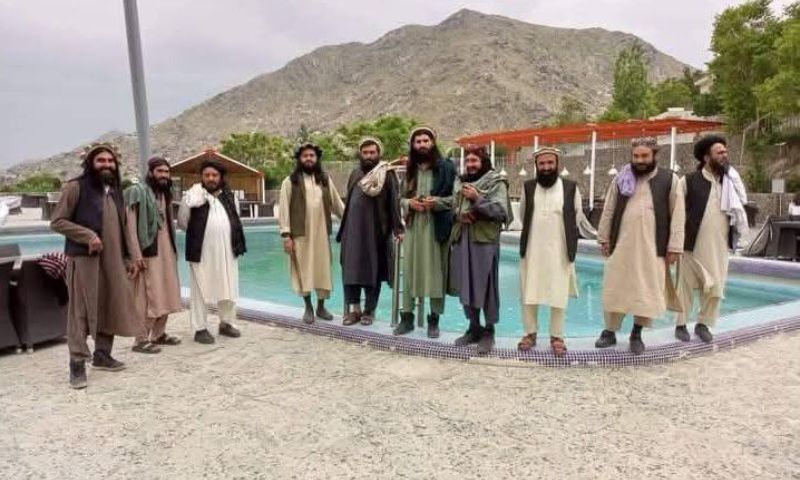



ISLAMABAD: A photograph showcasing the top tier of the banned Hafiz Gul Bahadur Group lounging at a luxury hotel in Kabul has provided undeniable, concrete proof of Pakistan’s longstanding stance that anti-Pakistan terrorist groups are not only operating from Afghan soil but are enjoying premium, high-level sanctuary under the current Afghan Taliban regime.
The photograph, which captures the senior leadership of the terrorist group that operates in close coordination with the banned Tehreek-e-Taliban Pakistan (TTP) terrorist group, depicts senior Gul Bahadur Group commander and head Abu Sufyan Karavan, Sadr Hayat, Alias Abu Sufyan, alongside key figures Commander Jalali, Commander Rehbar Waziristani, and Commander Ghazi.
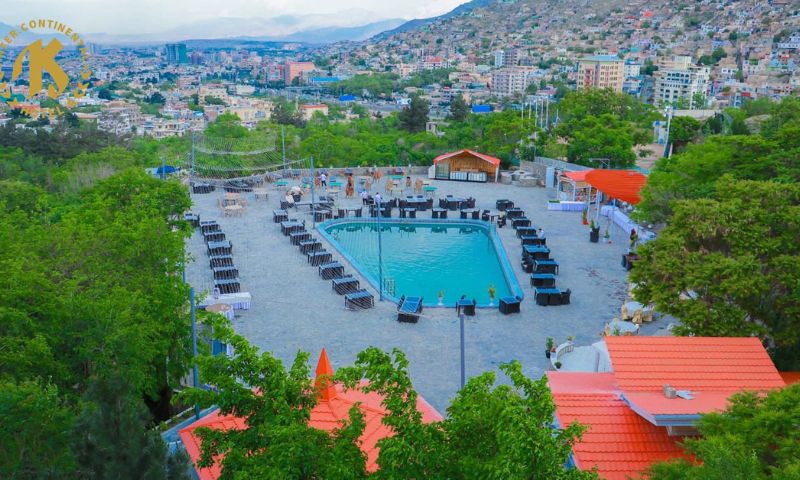
Standing casually by the outdoor swimming pool of the prominent five-star Kabul hotel, the terrorist commanders appear completely unbothered and enjoying a luxurious lifestyle.
Pakistan has witnessed a surge in terrorist attacks, especially in Khyber Pakhtunkhwa and Balochistan, since the Afghan Taliban returned to power in Kabul in 2021.
Pakistan says the Afghan Taliban regime’s continued support for terrorist groups had enabled them to carry out attacks against the Pakistan military and civilian population along the Pak-Afghan border and in adjoining areas.
For years, Islamabad has repeatedly presented evidence and demanded that the Afghan Taliban regime must take strict action against cross border terror hubs.
However, Kabul has consistently denied providing sanctuary to these terrorist elements but this new photographic evidence completely dismantles those denials, laying bare the open luxury and official impunity granted to designated terrorists responsible for major attacks on Pakistani security forces and civilians.
This visual confirmation heavily validates Pakistan’s firm diplomatic and security stance, proving that the epicenter of the proxy war plaguing the region remains actively sheltered and comfortably housed right in the heart of the Afghan capital.
The development also comes against the backdrop of successive reports by the United Nations Security Council Monitoring Team, which have highlighted the continued presence of more than 20 terrorist organisations in Afghanistan, with an estimated combined strength of 20,000 to 23,000 terrorists.