


KOLKATA, India: A major revision of electoral rolls in India’s eastern state of West Bengal has triggered widespread anger and concern, with millions of people losing their voting rights ahead of key state elections, raising questions over whether Muslim communities have been disproportionately affected.
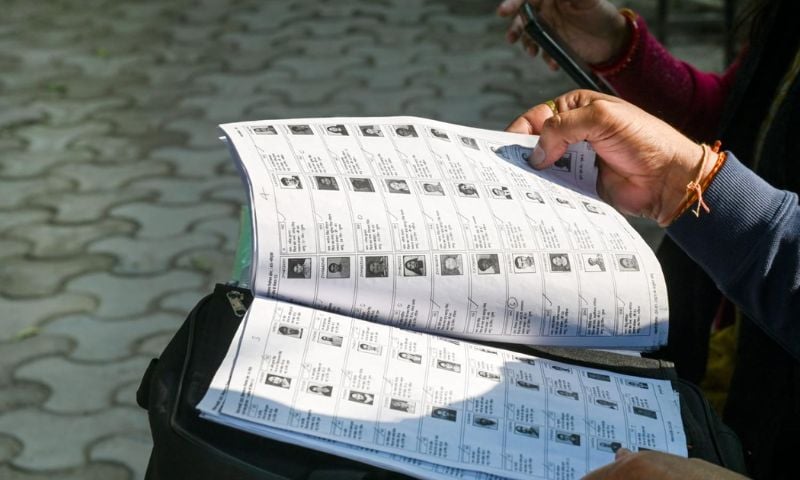
The exercise, carried out by the Election Commission of India, removed more than nine million names — nearly 12 per cent of the state’s electorate — as part of a process aimed at eliminating duplicate, deceased, or ineligible voters.
However, data and local accounts suggest the deletions have heavily impacted districts with large Muslim populations, including Murshidabad, North 24 Parganas, and Malda.
Analysts and rights groups say this pattern has fuelled suspicions about the fairness of the process.
Many affected voters cite discrepancies in documents — including variations in names, spellings, and addresses — as reasons for their exclusion.
In some cases, individuals who had voted in previous elections found themselves removed from the rolls.
“This time, my whole family will vote, but I won’t be able to. I do not understand things much, and did not know the names being different would bar me from voting,” said one voter whose name was excluded.
Political tensions
The issue has intensified political tensions in the run-up to the polls, with opposition parties accusing authorities of targeting voters likely to oppose the ruling party. Government supporters, however, argue the exercise is necessary to ensure electoral integrity and remove ineligible entries.
Experts say the speed of the revision, limited transparency, and the burden of documentation — particularly for women and low-income groups — have added to public anxiety.
While legal challenges are ongoing, many cases are unlikely to be resolved before polling begins, leaving millions uncertain about their ability to vote.
The controversy has raised broader concerns about voter inclusion and the credibility of the electoral process.