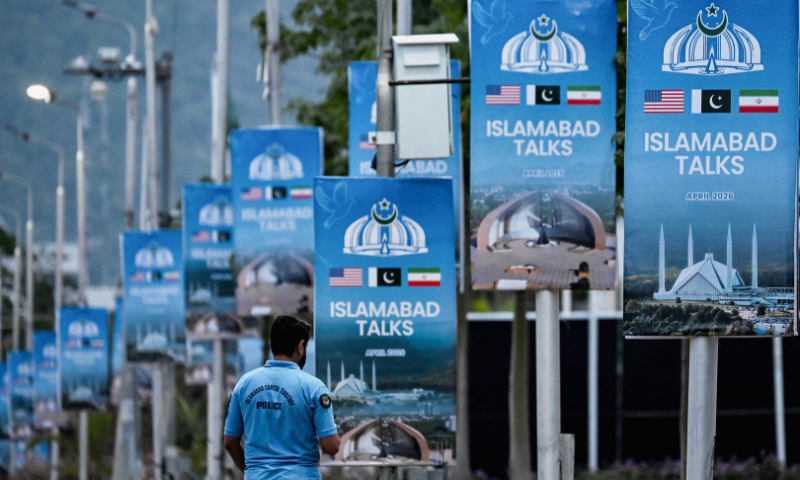
ISLAMABAD: Pakistan is set to host a second round of high-stakes talks between the United States and Iran this week, with US Vice President JD Vance expected to lead Washington’s delegation, officials said.
Vance will be joined by special envoy Steve Witkoff and senior adviser Jared Kushner, according to US officials, despite earlier remarks by President Donald Trump suggesting the vice president would not attend. “Things changed,” a White House official said, confirming the updated plan.
The talks, scheduled in Islamabad, follow an initial round that kept diplomatic channels open amid ongoing tensions.
#Pakistan on high alert: #Islamabad and #Rawalpindi under tight security ahead of the expected 2nd round of #US–#Iran talks. pic.twitter.com/mZOQDWsRid
— China Xinhua News (@XHNews) April 19, 2026
A delegation from Tehran is expected to arrive on Tuesday, with Iranian Foreign Minister Abbas Araghchi and Parliament Speaker Mohammad Bagher Ghalibaf likely to be part of the team, according to sources cited by US media.
With the US-Iran ceasefire set to expire on April 22, diplomatic momentum has taken on renewed urgency, but also cautious optimism.
The initial round of talks in Islamabad succeeded in opening rare direct channels between the two sides and keeping dialogue alive.
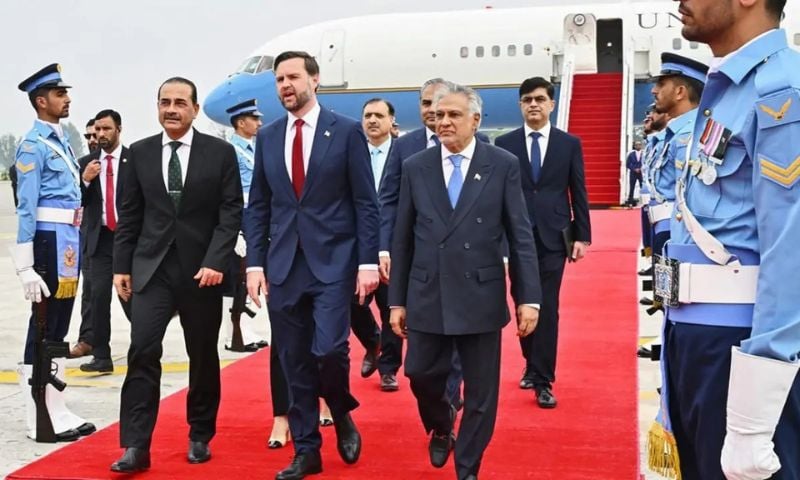
As tensions persist, efforts are now focused on a second round of negotiations in Islamabad, with mediators hopeful that sustained engagement can prevent a return to conflict.
Despite lingering differences, officials believe the progress made so far — coupled with intensified diplomacy — offers a realistic chance of extending the truce and moving closer to a broader agreement.
Officials say discussions will focus on extending the current ceasefire and moving towards a broader agreement to end hostilities that have disrupted regional stability and global energy supplies.
Pakistan, which brokered a 14-day ceasefire between the two sides earlier this month, continues to play what officials describe as an “honest broker” role, facilitating dialogue between Washington and Tehran.
Government sources indicated that negotiations have shown “positive momentum”, though key differences remain unresolved and will require further deliberation.
President Trump has expressed cautious optimism about the diplomatic process, describing ongoing engagements as “very good conversations” while maintaining that Washington is taking a firm stance.
“…We’re offering a very fair and reasonable DEAL, and I hope they take it because, if they don’t, the United States is going to knock out every single Power Plant, and every single Bridge, in Iran. NO MORE MR. NICE GUY…” – President Donald J. Trump pic.twitter.com/L4wQMJfGE6
— The White House (@WhiteHouse) April 19, 2026
He has also left open the possibility of visiting Islamabad if a deal is reached, saying such a trip could take place “at a later date”.
Meanwhile, Pakistan Prime Minister Shehbaz Sharif held a telephone conversation with Iranian President Masoud Pezeshkian on Sunday, with both leaders discussing the evolving regional situation and ongoing diplomatic efforts.
I had a warm and constructive conversation with President Dr. Masoud Pezeshkian this evening on the evolving regional situation.
I appreciated Iran’s engagement, including its high-level delegation to Islamabad for the historic talks, and recent discussions with Field Marshal…
— Shehbaz Sharif (@CMShehbaz) April 19, 2026
During the call, which lasted around 45 minutes, Sharif thanked Tehran for sending a high-level delegation to Islamabad earlier this month for talks aimed at reducing tensions.
Sharif also briefed the Iranian president on his recent engagements with leaders from Saudi Arabia, Qatar, and Turkiye, saying the contacts had helped build consensus in favour of sustained dialogue to achieve lasting peace in the region.
Reaffirming Pakistan’s role, Sharif said Islamabad remained committed to facilitating dialogue and promoting regional peace and stability with the support of international partners.
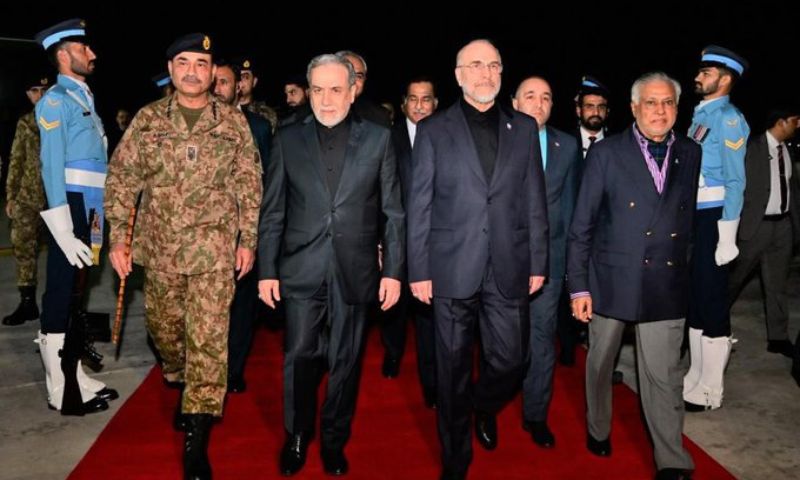
Tensions persist in the region, with Iran reimposing restrictions in the Strait of Hormuz, linking any reopening to the lifting of US maritime measures.
Iranian officials have acknowledged “measured progress” in talks but stressed that significant gaps remain between the two sides.
Pakistan’s Foreign Minister Ishaq Dar said Islamabad’s objective goes beyond extending the ceasefire, emphasising the need for a “permanent termination” of the conflict.
“More than 80 percent of the work has been done,” he said, urging both parties to show flexibility in the final stages of negotiations.