Key Points
- International journalists praised Islamabad’s media facilitation and logistics
- Pakistan projected a strong image as a neutral diplomatic host
- State-of-the-art media centre enabled seamless global coverage
- Cultural hospitality enhanced the reporting experience
- Islamabad briefly became a hub of global media and diplomacy
ISLAMABAD: As the world’s attention turned to Pakistan’s capital during the high-stakes US–Iran negotiations held on April 11–12, which concluded without a formal agreement, journalists and media professionals from across the globe offered an unexpectedly positive and encouraging assessment of their experience covering the landmark diplomatic engagement.
Hundreds of reporters representing leading international outlets arrived in Islamabad to cover what many described as one of the most significant diplomatic moments in recent history—the first high-level direct engagement between Washington and Tehran in decades.
Despite the talks ultimately concluding without a formal agreement, the global media presence in Islamabad highlighted a different success story: Pakistan’s emergence as a capable host and facilitator on the world stage.
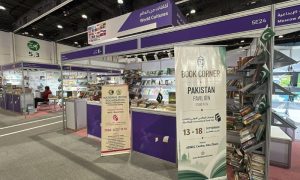
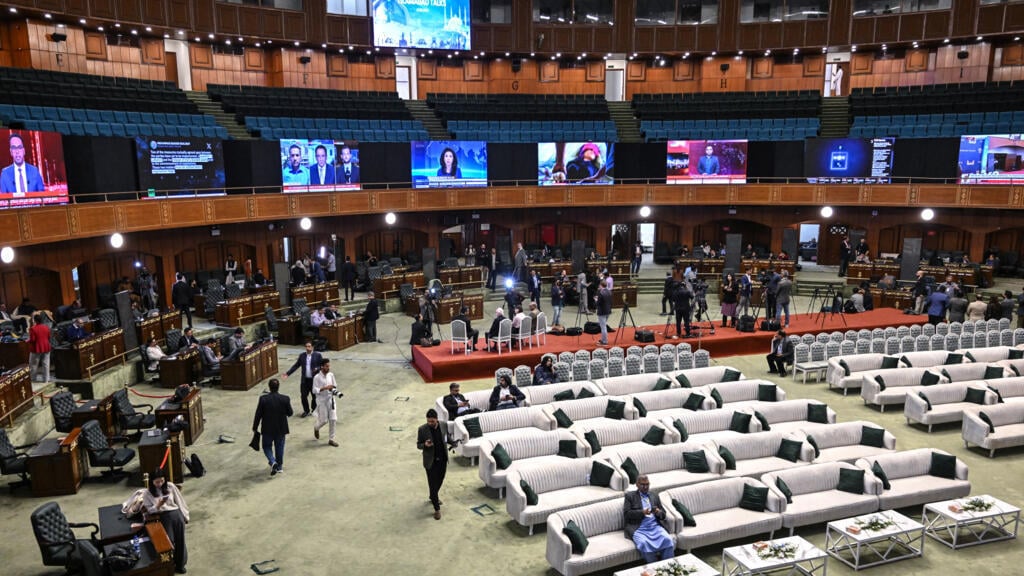
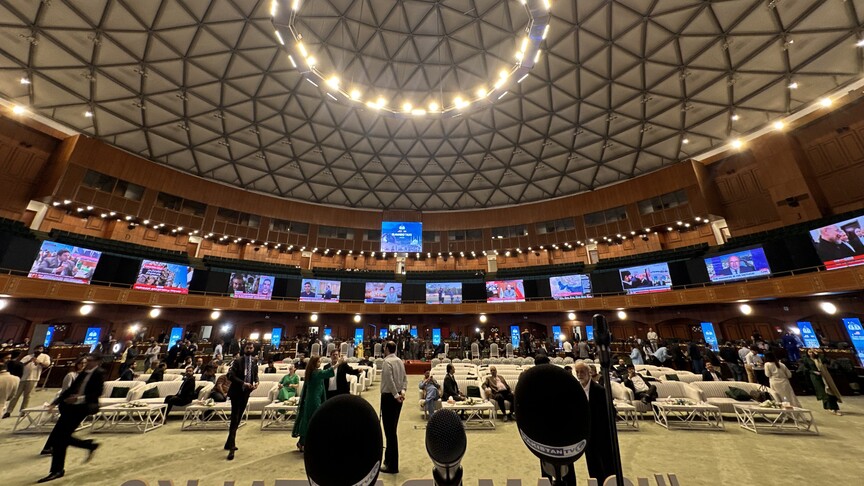
At the heart of this positive feedback was the state-of-the-art media facilitation centre established at the Jinnah Convention Centre. Journalists widely praised the facility, calling it “international standard” and “seamless” in its operations.
Equipped with modern workspaces, high-speed internet, broadcast studios, and dedicated briefing areas, the centre allowed reporters to operate efficiently under tight deadlines.
Foreign journalists, in particular, expressed satisfaction with the arrangements. Turkish journalist Deniz Kilislioglu noted that the facility was “well-organized” and conducive to professional reporting, while others appreciated the ease of access to technical resources and logistical support.
Pakistani journalists also acknowledged that such arrangements projected a positive image of the country internationally, reinforcing its ability to host complex, high-profile events.
Echoing the sentiment among insiders, senior journalists and analysts including Syed Talat Hussain described the Islamabad talks as a meaningful step forward in a long diplomatic journey rather than a failed outcome.
They emphasized that diplomacy is inherently gradual, noting that even though significant differences remain between Washington and Tehran, the most important breakthrough is that formal dialogue—previously stalled since late February—has now resumed on Pakistani soil.
Observers highlighted that such complex negotiations historically take years to mature, and the willingness of both sides to re-engage reflects a shared recognition that sustained dialogue, not quick fixes, is the only viable path toward lasting stability.
The atmosphere at the media centre itself became a story of its own. Reporters described a vibrant, almost cultural environment where diplomacy met hospitality. From locally inspired décor to live traditional music and carefully curated refreshments, the setting offered a distinctly Pakistani experience.
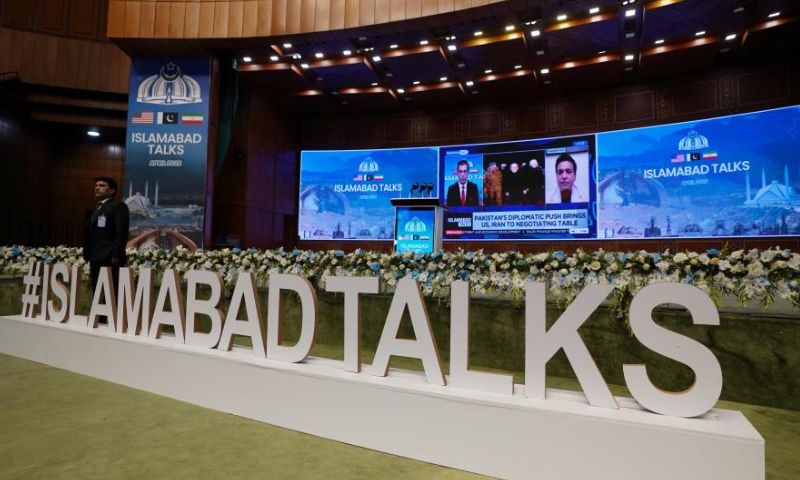
Some journalists even noted the symbolic branding of the event—dubbed the “Islamabad Talks”—as a thoughtful effort to promote peace and dialogue. Beyond logistics, what stood out in global coverage was a shift in how Pakistan was being portrayed.
Instead of the usual narratives centered on security challenges, international media increasingly framed Pakistan as a “neutral host” and a “bridge-builder” in global diplomacy. This marked a significant departure from past perceptions and was widely acknowledged by analysts and journalists alike.
Many reporters emphasized that simply bringing the United States and Iran to the same table—after years of hostility—was itself a big diplomatic achievement. The fact that these talks took place in Islamabad underscored Pakistan’s growing relevance in international mediation efforts. Even in the absence of a final agreement, journalists noted that Pakistan had successfully created an environment conducive to dialogue.
The diversity of the media presence also added depth to the coverage. Journalists from Western, Middle Eastern, and regional outlets brought different perspectives, enriching the global narrative around the talks. This convergence of viewpoints in Islamabad transformed the city into a temporary global newsroom, reflecting the significance of the moment.
While some journalists pointed out limitations—particularly restricted access to the actual negotiations—the overall tone remained largely positive. Many acknowledged that such constraints are common in sensitive diplomatic engagements. Importantly, these concerns did not overshadow the appreciation for the facilities and organizational efforts provided by the host country.
The international media’s experience in Islamabad also highlighted Pakistan’s ability to manage security and logistics simultaneously. Despite heightened security measures across the capital during the talks, the media operations continued smoothly, allowing journalists to focus on their reporting without major disruptions.
In conversations and reports, several journalists remarked that Islamabad had, for a brief period, become the center of global diplomacy and media attention. The successful hosting of such a high-profile event, they said, demonstrated Pakistan’s untapped potential as a venue for future international negotiations.
In conclusion, while the US–Iran talks may not have yielded an immediate agreement, they achieved something equally important in the eyes of the global media: they showcased Pakistan in a new light. Journalists left Islamabad with a renewed appreciation for the country’s organizational capabilities, hospitality, and diplomatic ambition.
For Pakistan, this positive coverage represents more than just a moment of good press—it signals a broader shift in how the country is perceived internationally. And for the journalists who gathered here, Islamabad was not just a backdrop to a major story; it became an integral part of it.