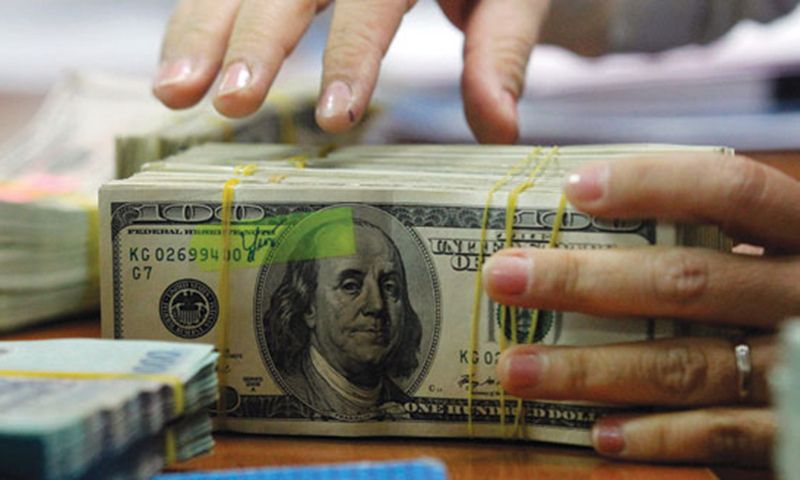
ISLAMABAD: Pakistan’s total liquid foreign exchange reserves rose slightly to $21.79 billion in the week ending March 27, the State Bank of Pakistan (SBP) said on Thursday, reflecting a modest improvement in the country’s external position.
In a statement, the central bank said its own reserves increased by $6 million during the week to $16.38 billion.
According to the SBP, net foreign reserves held by commercial banks stood at $5.41 billion, taking the country’s total liquid reserves to $21.79 billion.
Total liquid foreign #reserves held by the country stood at US$21.79 billion as of March 27, 2026.
For details: https://t.co/WpSgomnKT3#SBPReserves pic.twitter.com/WCB79ZEo9V— SBP (@StateBank_Pak) April 2, 2026
The marginal rise comes at a time of heightened regional uncertainty linked to ongoing geopolitical tensions and disruptions to global trade routes.
Despite these challenges, officials say Pakistan’s macroeconomic position is showing signs of resilience.
In a post on X, Finance Minister’s advisor Khurram Schehzad said the country was strengthening its economic fundamentals and emerging as a credible player in diplomacy, trade and investment.
Schehzad said Pakistan’s programme with the International Monetary Fund (IMF) remained on track, with reforms beginning to yield results following a successful review.
He added that Pakistan was also playing a growing diplomatic role, engaging with the United States, Iran and Gulf countries to help ease regional tensions.
🇵🇰 Pakistan – Key Positive Developments
Diplomacy | Trade | Investment
1- Pakistan Emerges as Key Diplomatic Bridge in Global Conflict – engaging US, Iran, GCC to de-escalate tensions
2- Pakistan–IMF Review Successful – program on track, reforms delivering
3- Forex Reserves… pic.twitter.com/k1qQz2Wo6m
— Khurram Schehzad (@kschehzad) March 29, 2026
Highlighting key economic indicators, Schehzad said Pakistan had improved its fuel security buffers, with stock cover increasing from 3.5 weeks towards four weeks despite global disruptions.
He also noted that Pakistan’s shipping sector had gained expanded access through the Strait of Hormuz, a critical global energy corridor affected by the ongoing conflict.