
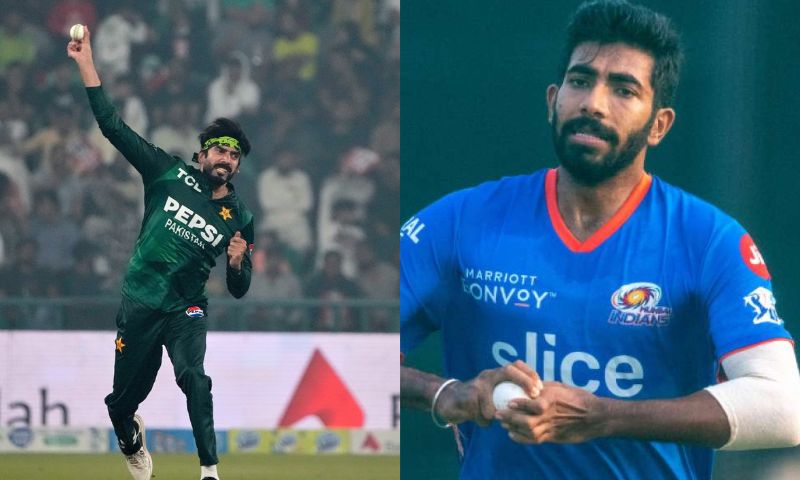
ISLAMABAD: Pakistan and India renew their rivalry on 15 February in Colombo in what is set to be the biggest Group A fixture of the ICC Men’s T20 World Cup 2026. The match was only confirmed this week after the ICC said Pakistan would fulfil its scheduled fixtures — including the India game — clearing the way for the tournament’s marquee showdown.
With both squads now locked in, the contest is likely to pivot on a handful of key individuals — not just the headline superstars, but also the less obvious names who can flip a high-pressure game in a single spell or cameo.
1) Jasprit Bumrah (India) — the control weapon
In a match where nerves often trigger false shots and hurried decisions, Bumrah’s value is his ability to remove chaos from the innings. India’s plans typically start with early wickets and a suffocating middle phase, and Bumrah remains their best bet to win both: the new-ball threat and the death-overs specialist in one package. With Pakistan’s top order built around setting a platform, Bumrah’s first two overs could decide the tone of the entire chase or defence.
2) Babar Azam (Pakistan) — the innings anchor under spotlight
Pakistan’s most important batting pillar is also their most scrutinised. The ICC’s squad announcement noted Babar’s experience and record as a major asset for Pakistan’s campaign, and in an India match that often becomes emotionally frantic, his role is simple: bat long enough to absorb the pressure and allow hitters to play around him. If Babar controls the tempo through the powerplay and into the middle overs, Pakistan can avoid the collapses that have defined previous high-stakes encounters.
3) Shaheen Shah Afridi (Pakistan) — early swing, early statement
Few players shape Pakistan–India theatre like Shaheen with a new ball. Pakistan’s pace attack has been framed around Shaheen and Naseem, particularly with Haris Rauf absent, and the left-armer’s first spell is often Pakistan’s best chance to land a psychological blow.
If Shaheen wins the inside edge early — especially against India’s left-right combinations — he forces India into a rebuild. If he doesn’t, India’s top order can cash in during the field restrictions and keep Pakistan chasing the game.
4) Tilak Varma (India) — the “quiet” match-winner
This is the name casual readers may skip — and that is exactly why he matters. Tilak has spoken openly about India entering “match zone” as preparations ramp up for the Pakistan clash, signalling how seriously the camp is treating the contest.
He is also the kind of batter who can stabilise after early wickets or accelerate against spin without taking reckless risks — a priceless skill at a neutral venue where conditions can reward smart batting. In a rivalry where plans are built around stopping the big names, Tilak can become the player who slips through the net.
5) Usman Tariq (Pakistan) — mystery spinner, maximum noise
Every big match has an unexpected subplot. Pakistan’s squad includes leg-spinner Usman Tariq, who has already drawn intense attention at this World Cup due to debate around his bowling action — a discussion that spilled across social media and even prompted public defence from India’s R Ashwin.
Whatever the noise, Tariq’s real importance is tactical: if he lands his variations, he can squeeze India in the middle overs and force risk against pace at the death. In a Pakistan–India game, a single “quiet” over can be as valuable as a wicket.
Why these five matter
India and Pakistan arrive with plenty of star power, but history shows this fixture rarely follows a neat script. One spell at the start, one over in the middle, or one nerveless 20-ball cameo can tilt the match. On 15 February in Colombo, these five players look best placed to decide whether the night belongs to familiarity — or to a new, unexpected hero.